Zepto Order Reaches AI India Summit In 5 Minutes, Leaves Attendee Stunned
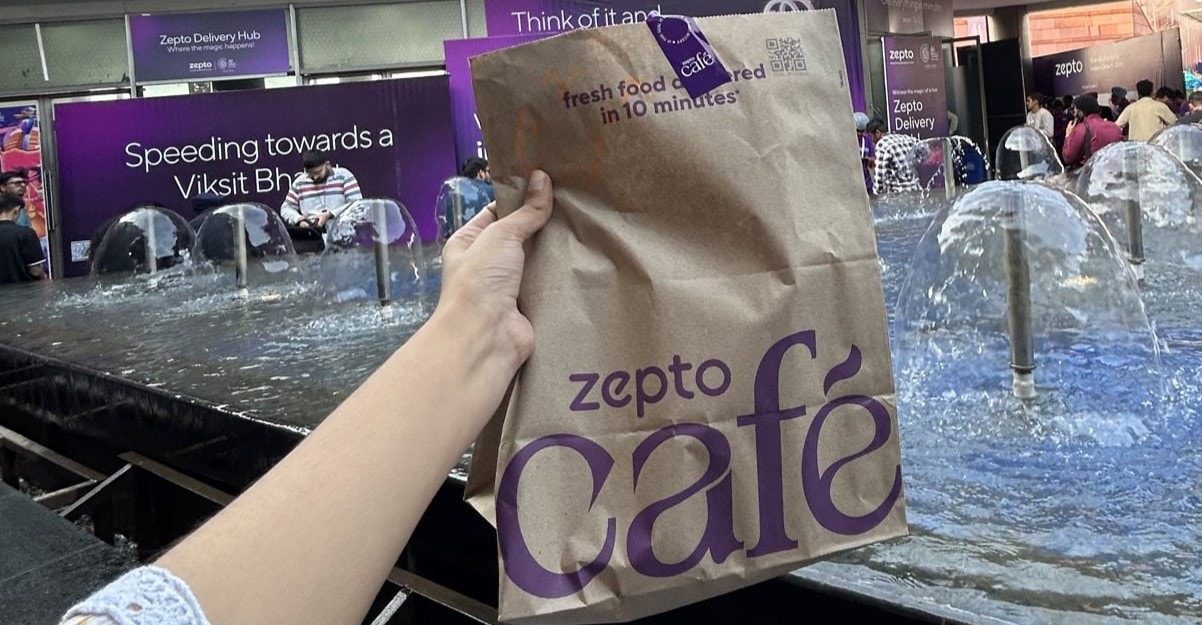
A live demonstration at the AI India Summit left the audience amazed when a simple grocery order placed through Zepto was delivered to the venue in just five minutes. The rapid fulfillment showcased the growing power of India’s instant‑delivery ecosystem and raised questions about how artificial intelligence, logistics and consumer expectations are converging.
Rapid Delivery at a Tech Event
The demonstration began with a volunteer using the Zepto app on a smartphone to order a handful of snacks and a bottle of water. Within seconds the order was confirmed, and a nearby delivery partner accepted the request. By the time the presenter finished describing the order details, a delivery rider arrived at the summit hall, handing over the items while the crowd applauded.
Attendees, many of whom are senior executives in AI research, e‑commerce and logistics, noted that the speed was not a one‑off stunt. Zepto’s network of micro‑fulfilment centres, often located in residential complexes, is designed to keep inventory close to the end‑user. The five‑minute turnaround was a real‑time illustration of how that model works when the supply chain is fully digitised.
How Zepto Achieves Five‑Minute Fulfilment
Zepto’s model relies on three core technologies:
1. AI‑driven demand forecasting – Machine‑learning algorithms analyse historical order data, local events, weather patterns and even social media trends to predict which items will be needed in each micro‑hub. This helps keep the right stock on hand without over‑stocking.
2. Dynamic routing and rider allocation – A real‑time optimisation engine matches each order with the nearest available rider, taking into account traffic, rider capacity and delivery time windows. The system can re‑assign riders instantly if a delay is detected.
3. Automated inventory management – Sensors in the micro‑fulfilment centres track stock levels down to the individual SKU. When an item falls below a predefined threshold, the system automatically triggers a replenishment order from a central warehouse.
Together, these AI components reduce the time between order placement and dispatch to a matter of seconds. The rider’s role is limited to picking the pre‑packed box and navigating the shortest path to the destination, a process that can be completed in under two minutes in dense urban areas.
Implications for E‑commerce and AI
The five‑minute delivery feat is more than a marketing gimmick; it signals a shift in consumer expectations. In markets where instant delivery is becoming the norm, retailers are forced to rethink inventory placement, last‑mile logistics and the role of AI in decision‑making.
For e‑commerce platforms, the ability to promise and deliver within minutes can increase basket size and repeat purchase rates. Studies from the Indian market show that customers are willing to pay a premium of up to 15 % for ultra‑fast delivery, especially for perishable or on‑the‑go items.
From an AI perspective, the event highlighted how predictive analytics can turn a traditionally reactive supply chain into a proactive one. By anticipating demand at the neighbourhood level, companies can minimise stock‑outs and reduce waste, a benefit that resonates with sustainability goals.
While India’s instant‑delivery market is among the fastest‑growing in the world, the technology behind it is not limited to the subcontinent. European and North American firms are experimenting with similar micro‑fulfilment hubs, but they often face higher real‑estate costs and stricter zoning regulations.
The Zepto demonstration offers a case study for global players: combine dense urban populations, affordable rental spaces and a tech‑savvy workforce, and the economics of five‑minute delivery become viable. Moreover, the integration of AI for demand forecasting and routing can be replicated in other regions, provided the data infrastructure is robust.
The immediate reaction from summit participants was optimism mixed with caution. Experts agreed that while five‑minute delivery is impressive, scalability and profitability remain challenges. Maintaining a network of micro‑fulfilment centres requires significant capital, and the environmental impact of increased rider traffic must be managed.
Future developments are likely to focus on three areas:
Electric rider fleets – Switching to electric two‑wheelers can reduce emissions and lower operating costs over time. Hyper‑local AI models – Tailoring demand‑forecasting algorithms to neighbourhood‑specific patterns can improve accuracy and reduce inventory waste. * Partnership ecosystems – Collaboration between e‑commerce platforms, local retailers and logistics providers can spread risk and create shared infrastructure.
If these trends continue, the line between online ordering and physical retail will blur further, with consumers expecting near‑instant access to a wide range of products. The Zepto showcase at the AI India Summit may therefore be seen as an early indicator of a broader transformation in how goods move from shelf to doorstep.
In summary, the five‑minute order fulfilment demonstrated at the summit was a concrete example of how AI, logistics and consumer demand are aligning to reshape the e‑commerce landscape. As more companies adopt similar models, the speed of delivery could become a standard metric of service quality, reshaping retail strategies worldwide.