Yunus out, India to restore all visa services in Bangladesh soon
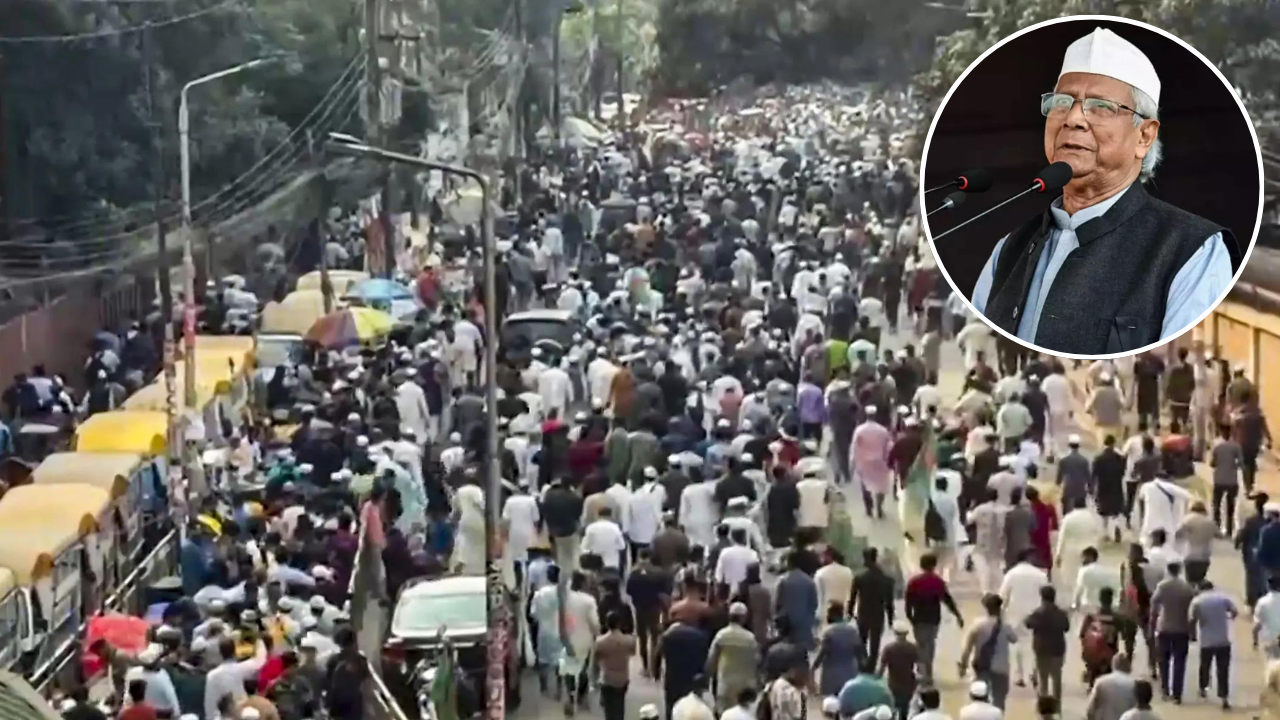
India has said it will restart all visa operations at its missions in Bangladesh within weeks, ending a three‑month suspension that disrupted travel for students, workers and tourists.
The decision follows a diplomatic row that began when the Indian government removed its Consul General in Dhaka, Yunus, amid accusations of interference in Bangladesh’s internal affairs. Bangladesh responded by restricting Indian visa processing, prompting New Delhi to halt services at its embassy and consulates as a reciprocal measure.
Background of the diplomatic row
In late November, Bangladesh’s foreign ministry issued a statement alleging that the Indian Consul General had overstepped his diplomatic mandate by commenting on local political matters. The Indian side dismissed the claim, calling it unfounded and saying the removal of Yunus was a routine personnel change. The disagreement quickly escalated when Bangladesh announced a temporary suspension of all Indian visa applications, citing security concerns.
New Delhi reacted by suspending the issuance of all categories of Indian visas – tourist, business, student and medical – at its Dhaka mission and at the Indian High Commission in Chittagong. The move affected more than 150,000 pending applications and left thousands of travelers stranded.
Impact on travelers and businesses
The visa freeze hit a wide range of people. Seasonal workers from Bangladesh, who travel to Indian states such as West Bengal and Gujarat for agricultural and construction jobs, faced delayed earnings and uncertainty about their livelihoods. Indian companies that rely on Bangladeshi engineers and technicians for joint projects reported setbacks in timelines and increased costs.
Students also felt the strain. Hundreds of Bangladeshi scholars enrolled in Indian universities were unable to renew their study visas, risking loss of enrollment and scholarship funding. Conversely, Indian students planning to study in Bangladesh’s growing higher‑education sector encountered similar hurdles.
Tourism suffered as well. Popular destinations such as the Sundarbans and Kolkata saw a sharp drop in visitor numbers, affecting hotels, transport operators and local vendors. Trade delegations that regularly travel between the two countries for export‑import negotiations were forced to postpone meetings, slowing the flow of goods worth billions of dollars annually.
India’s decision to restore services
In a brief press briefing, the Indian Ministry of External Affairs announced that the visa suspension would be lifted “as soon as practical.” Officials said the move reflects a desire to normalize relations and to address the practical needs of citizens on both sides of the border.
The ministry outlined a phased plan: first, the reopening of tourist and short‑stay visas, followed by business and student categories. Consular staff have been instructed to prioritize pending applications and to provide clear guidance on required documents. The Indian High Commission in Dhaka will also increase its outreach to local travel agents to smooth the re‑entry process.
Diplomats emphasized that the restoration does not signal a full resolution of the underlying diplomatic dispute. Ongoing talks are expected to address the concerns raised by both governments, including issues of diplomatic protocol and security cooperation.
Regional implications
South Asia’s economies are closely linked through trade, labor migration and cultural ties. The visa suspension highlighted how quickly diplomatic friction can affect everyday citizens and commercial activity. By moving to restore services, India aims to reassure regional partners that it values stability and people‑to‑people contact.
Analysts note that the episode may influence other bilateral relationships in the region. Bangladesh and India share a 4,000‑kilometer border, and any prolonged disruption could have ripple effects on border trade and joint infrastructure projects such as the India‑Bangladesh Friendship Bridge and the proposed rail corridor connecting Kolkata and Dhaka.
Moreover, the situation underscores the importance of clear diplomatic communication. Both countries have expressed a willingness to engage in dialogue, and the quick reversal of the visa freeze suggests that diplomatic channels remain functional despite occasional setbacks.
The upcoming weeks will be critical for assessing how smoothly visa services resume. Travelers are advised to check the latest guidelines on official embassy websites and to allow extra processing time for pending applications.
In the longer term, the two governments have signaled interest in expanding cooperation on issues like counter‑terrorism, climate change and digital connectivity. Restoring visa services is seen as a confidence‑building step that could pave the way for deeper collaboration.
For businesses, the resumption of visa issuance should help revive cross‑border projects that were put on hold. Exporters in both countries are hopeful that supply‑chain disruptions will ease, allowing them to meet market demand more efficiently.
Students and academic institutions are also expected to benefit. With visa processes back on track, scholarship programs and research exchanges can proceed without the administrative bottlenecks that recently hampered them.
Overall, the decision to restart all visa services reflects a pragmatic approach to diplomacy—prioritizing the movement of people and the flow of commerce while continuing to address the diplomatic questions that sparked the dispute. As the two nations work through remaining issues, the restoration of visa services offers a tangible sign that cooperation remains possible, even in a complex regional environment.
The coming months will reveal whether the renewed visa channels can fully restore confidence among travelers, businesses and students, and whether the diplomatic dialogue can translate into lasting stability for the broader South Asian region.