Yumnam Khemchand Singh takes oath as Manipur Chief Minister
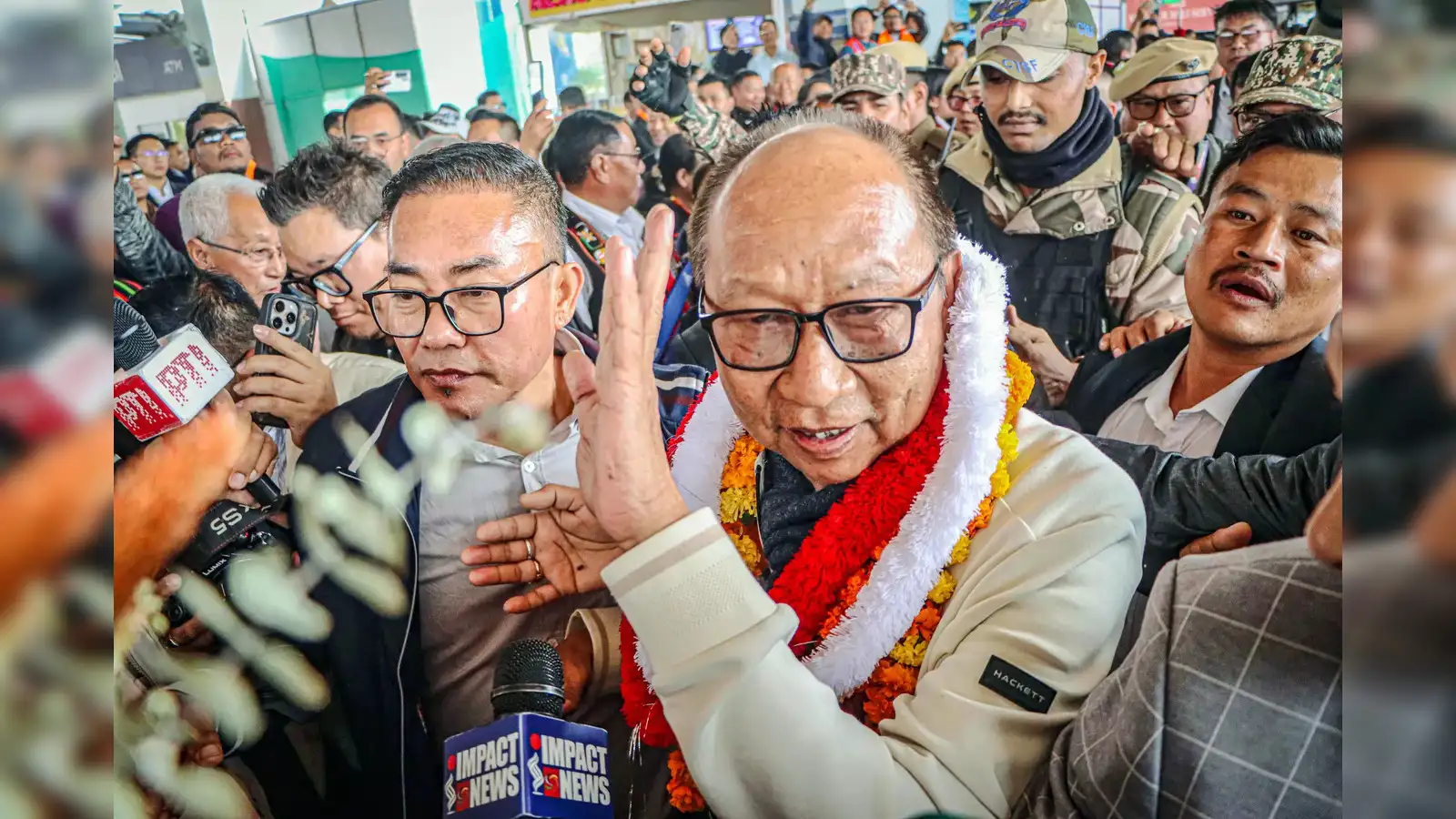
The ceremony in Imphal saw the latest leader of Manipur take the constitutional oath, signaling a fresh chapter for the northeastern state. The new chief minister, a veteran of state politics, stepped into office amid heightened expectations for peace, infrastructure growth, and improved governance.
Background to the Transition
Manipur has long been a focal point of ethnic tension, border disputes, and development challenges. Over the past decade, the state has experienced a series of coalition governments, frequent changes in leadership, and occasional unrest in its hill districts. The previous administration faced criticism for delayed projects and limited progress on the long‑standing demand for greater autonomy among certain tribal groups.
In the most recent legislative assembly election, the ruling party secured a modest majority, allowing it to form a stable government without the need for a fragile coalition. Within the party, internal discussions identified a senior figure with a reputation for administrative competence and a track record of handling sensitive community issues. That figure is Yumnam Khemchand Singh, who previously served as a senior minister handling public works and rural development.
The Oath‑Taking Event
The swearing‑in took place at the Raj Bhavan, attended by senior officials, opposition leaders, and representatives from civil society. The governor administered the oath, after which the new chief minister delivered a brief address emphasizing unity, development, and the need to address the concerns of all ethnic groups. He pledged to accelerate road construction, improve health facilities, and strengthen law‑and‑order measures in the volatile border areas.
Observers noted the presence of key national leaders, underscoring the central government's interest in Manipur's stability. The ceremony also featured cultural performances that highlighted the state's diverse heritage, a subtle reminder of the inclusive agenda the new administration aims to pursue.
Why It Matters Beyond the State
Manipur occupies a strategic position on India's northeastern frontier, sharing borders with Myanmar. The region is part of the broader Act East policy, which seeks to boost trade and connectivity with Southeast Asia. A stable political environment in Manipur is therefore critical for infrastructure projects such as the India‑Myanmar trilateral highway and the upcoming railway links that promise to open new markets for Indian manufacturers.
Security concerns also extend beyond local grievances. The porous border has historically been used by insurgent groups and illicit trade networks. A decisive and coordinated approach from the state government, aligned with central security agencies, could reduce cross‑border infiltration and strengthen India's overall border management.
Internationally, investors keep a close watch on the Northeast's development trajectory. The region's abundant natural resources, including hydro‑electric potential and mineral deposits, are attracting interest from foreign firms. A predictable political climate can translate into faster project approvals, better risk assessments, and ultimately, increased foreign direct investment.
Immediate Priorities for the New Administration
Infrastructure Development
Road connectivity remains a top priority. Many remote villages still lack all‑weather roads, limiting access to markets, schools, and health centers. The chief minister announced a roadmap to complete pending highway projects within two years, with a focus on linking border towns to the national highway network.
Addressing ethnic tensions will require more than infrastructure. The administration plans to establish a council comprising representatives from the Meitei, Naga, Kuki, and other communities. The council's mandate will include conflict resolution, equitable resource allocation, and cultural preservation initiatives.
Manipur's health indicators lag behind the national average, especially in hill districts where clinics are understaffed. The new government intends to recruit additional medical professionals, upgrade existing facilities, and launch mobile health units. In education, the focus will be on expanding digital classrooms and improving teacher training to bridge the rural‑urban divide.
Security forces will receive additional training and equipment to handle both conventional crime and insurgent activity. The chief minister emphasized a balanced approach that respects human rights while ensuring safety for civilians and businesses alike.
Potential Challenges Ahead
While the leadership transition appears smooth, several hurdles remain. First, delivering on ambitious infrastructure promises will require substantial funding. The state will need to negotiate effectively with the central government and attract private investment without compromising fiscal responsibility.
Second, maintaining communal harmony is a delicate task. Past attempts at dialogue have sometimes faltered due to mistrust between groups. The success of the proposed council will hinge on genuine participation and transparent decision‑making.
Third, external factors such as fluctuations in regional geopolitics could impact cross‑border projects. Any escalation of tension with neighboring Myanmar could disrupt trade routes and security arrangements.
Outlook for Manipur's Future
The inauguration of the new chief minister marks a moment of optimism for a state that has long grappled with development bottlenecks and social discord. If the administration can translate its pledges into tangible outcomes, Manipur could emerge as a model of inclusive growth in India's northeast.
A stable Manipur would not only benefit its 3 million residents but also reinforce India's strategic objectives in Southeast Asia. Improved infrastructure could accelerate the movement of goods and people, while a peaceful border would enhance regional security cooperation.
The coming months will test the government's ability to balance immediate needs with long‑term vision. Success will depend on effective coordination with the central government, responsive governance at the grassroots level, and sustained engagement with all ethnic communities.
In the broader picture, the political shift in Manipur underscores the importance of strong, locally attuned leadership in regions with complex social fabrics. As the new chief minister takes charge, the eyes of policymakers, investors, and citizens alike will be on how swiftly and inclusively the state can move forward.