‘Will do something tough’: Iranians chant anti-Khamenei slogans as Trump keeps attack options open
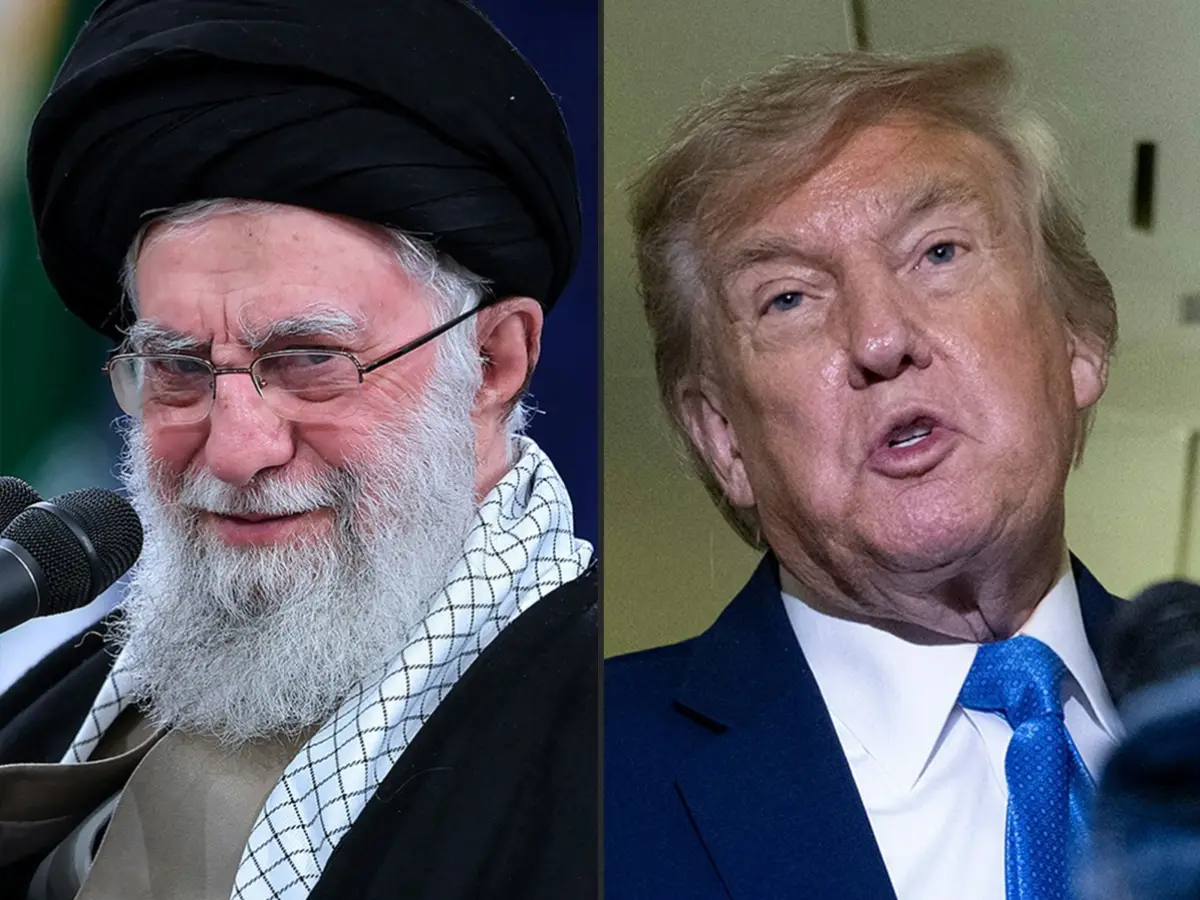
President Donald Trump told reporters that the United States "will do something tough" if the situation with Iran continues to deteriorate, while crowds in Tehran shouted anti‑American chants. The remarks came after a series of confrontations between the two nations, including a recent Iranian missile test and a U.S. naval patrol in the Persian Gulf.
Background to the tension The latest flare‑up follows years of strained relations that began with the 1979 Iranian Revolution and the subsequent hostage crisis. Over the past decade, the U.S. has imposed multiple rounds of sanctions targeting Iran’s nuclear program and regional activities. In response, Iran has repeatedly warned of retaliation and has conducted missile launches that it says are defensive. The recent missile test, which officials in Washington described as a "provocative" move, raised concerns about a possible escalation.
What the President said During a press briefing, Trump emphasized that the United States cannot stand by while Iran threatens regional stability. He said, "We have options, and we will consider all of them. If they keep pushing, we will do something tough." He did not specify what form any response might take, leaving room for diplomatic pressure, economic measures, or a limited military action. The vague language mirrors previous statements that have kept allies and adversaries guessing about U.S. intentions.
Iranian public reaction In Tehran, thousands gathered near the parliament building, chanting slogans that criticized the United States and expressed support for the country's leadership. Protesters waved flags and shouted, "Death to America," a refrain that has resurfaced during moments of heightened tension. The chants were captured on video and quickly spread on social media, amplifying the perception that public sentiment in Iran remains strongly anti‑U.S.
Why it matters globally The standoff has implications beyond the two countries involved. The Persian Gulf is a vital shipping lane for oil, and any disruption could affect global energy prices. European and Asian markets have already shown sensitivity to news of potential conflict, with investors demanding higher risk premiums. Moreover, the United States' stance influences its relationships with regional allies such as Saudi Arabia and Israel, both of which have expressed concern over Iran's missile capabilities.
Potential diplomatic routes Despite the harsh rhetoric, diplomatic channels remain open. The European Union has called for a "de‑escalation" and offered to mediate talks between Washington and Tehran. In the past, back‑channel communications have helped prevent misunderstandings from turning into open conflict. Analysts note that a carefully crafted diplomatic effort, possibly involving a new framework for nuclear negotiations, could lower the risk of a broader confrontation.
Military options under consideration Military experts suggest that any U.S. response would likely be limited in scope to avoid a full‑scale war. Options include targeted strikes on missile sites, increased naval presence to deter further launches, or cyber operations aimed at disrupting Iranian command and control networks. Each choice carries its own set of risks, including retaliation against U.S. forces or escalation into a wider regional conflict.
Impact on Iranian politics Inside Iran, the government has used the anti‑American chants to rally domestic support and portray the leadership as standing up to foreign pressure. However, some reform‑leaning voices warn that continued confrontation could hurt the Iranian economy, already strained by sanctions. The balance between nationalist rhetoric and economic realities will shape Tehran's next moves.
Looking ahead The coming weeks will test whether diplomatic engagement can outpace the momentum toward a harder line. If the United States proceeds with a strong response, the region could see a rise in military activity, heightened alert levels among NATO forces, and a possible surge in oil prices. Conversely, a successful diplomatic push could open a pathway to renewed negotiations on Iran's nuclear program and a reduction in sanctions.
Conclusion Trump's statement that the U.S. "will do something tough" adds a new layer of uncertainty to an already volatile relationship with Iran. While the President's words signal resolve, the lack of concrete detail leaves policymakers and analysts to interpret the possible courses of action. The reaction of Iranian protesters underscores the deep-rooted mistrust that fuels the conflict. As global markets watch closely, the next steps taken by Washington and Tehran will determine whether the tension escalates into open conflict or retreats into a fragile, negotiated peace.