Why the government has increased capital spending for the defence sector
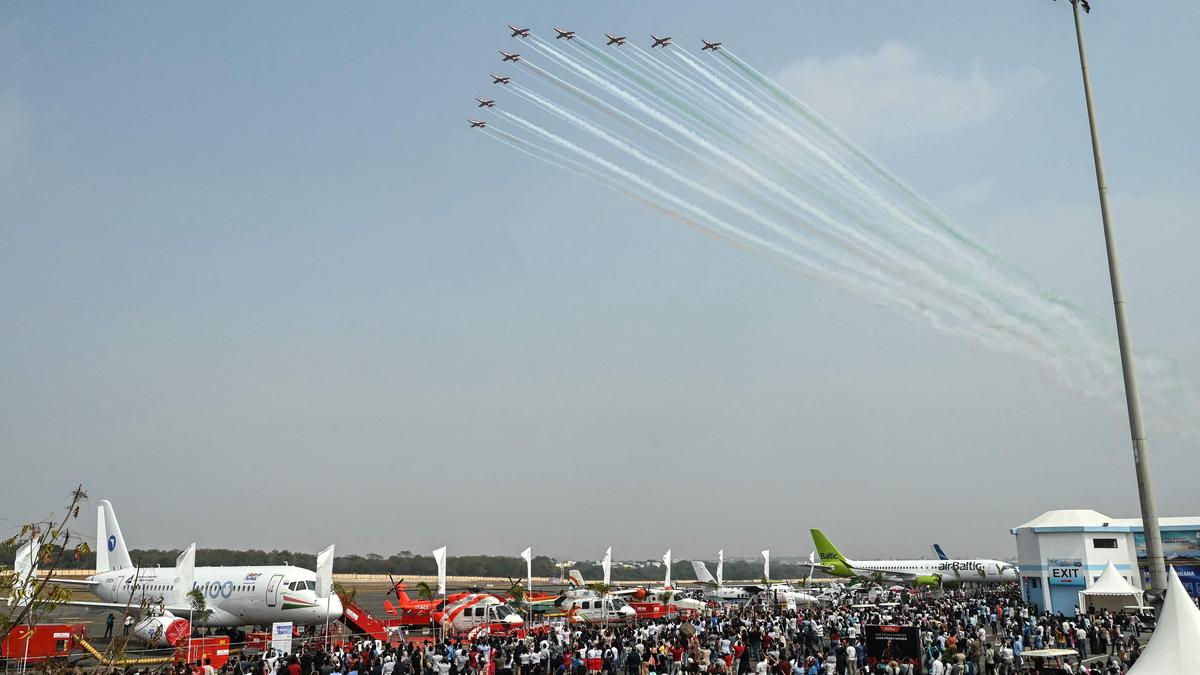
The decision to lift capital spending for the defence sector marks the most significant budget shift in a decade. Officials say the move is aimed at strengthening national security, updating ageing equipment, and keeping the domestic industrial base competitive.
For years, the defence budget has been squeezed by competing priorities such as health care, education and infrastructure. While operational costs – salaries, fuel and routine maintenance – have risen steadily, investment in new platforms, research and development has lagged. A recent audit revealed that several key assets, from naval vessels to air‑defence systems, are approaching the end of their service lives. The government’s latest budget paper therefore earmarks an additional $15 billion in capital outlays over the next five years.
Security environment – Rising tensions in nearby regions, the emergence of new maritime disputes and the increasing use of unmanned systems by potential adversaries have pushed policymakers to reassess threat levels. Intelligence reports highlight a need for faster response times and greater situational awareness, prompting investment in advanced radar, cyber‑defence tools and next‑generation fighter jets.
Technological change – Defence technology is evolving faster than ever. Artificial intelligence, hypersonic weapons and autonomous drones are reshaping how wars are fought. By allocating more capital to research and procurement, the government hopes to avoid a capability gap and ensure its forces can operate alongside allied militaries that are also modernising.
Economic considerations – Defence spending is a major driver of high‑skill jobs. The new funding will flow to domestic shipyards, aerospace firms and electronics manufacturers, creating an estimated 30,000 jobs over the programme’s life. Lawmakers argue that a stronger industrial base not only supports national security but also boosts export potential, especially in regions looking to diversify their own defence suppliers.
Many allied nations have recently announced similar increases in defence investment. In Europe, several countries have pledged to meet a 2 % of GDP target, while in the Asia‑Pacific, rising naval activity has spurred a wave of new shipbuilding contracts. The government's spending plan aligns with these trends, signalling a commitment to shared security frameworks such as NATO and regional defence pacts. Analysts say the coordinated rise in capital spending helps deter aggression by presenting a united, well‑equipped front.
Economic Implications
Beyond job creation, the capital boost is expected to stimulate innovation. Funding for joint research projects with universities and private firms will focus on areas like low‑observable materials, quantum communications and energy‑efficient propulsion. These breakthroughs often have civilian spin‑offs, ranging from improved satellite navigation to greener transport solutions.
Critics, however, caution that the increased outlay could strain public finances if not paired with efficiency reforms. They point to past procurement programmes that suffered from cost overruns and delayed deliveries. In response, the defence ministry has introduced stricter oversight mechanisms, including quarterly performance reviews and a new independent audit board.
The next steps involve detailed planning for each major acquisition. The navy will prioritize a new class of frigates equipped with integrated combat systems, while the air force plans to replace aging trainers with modern jet trainers that double as light attack platforms. Ground forces will receive upgraded armored vehicles featuring enhanced protection and digital networking capabilities.
If the programme stays on schedule, the country could achieve a measurable increase in operational readiness within three years. Longer‑term benefits may include stronger bargaining power in international arms negotiations and a more resilient supply chain for critical components.
Public opinion appears divided. Surveys show that a majority of citizens support a stronger defence posture when framed as a means to protect jobs and national sovereignty. Conversely, some voter groups express concern over the opportunity cost, arguing that funds could be redirected to social services or climate initiatives. The government has pledged transparency, promising to publish annual spend reports and to hold town‑hall meetings in affected communities.
Increasing capital spending for the defence sector reflects a calculated response to evolving security threats, rapid technological change, and the desire to sustain a robust domestic industry. While the move aligns the nation with global defence trends and promises economic upside, its success will depend on disciplined execution, effective oversight, and continued public dialogue. The coming years will reveal whether the investment translates into a more capable force and a stronger economy, or whether it becomes another line item caught in the perpetual balance of budget priorities.