Why Rahul Gandhi chose ex
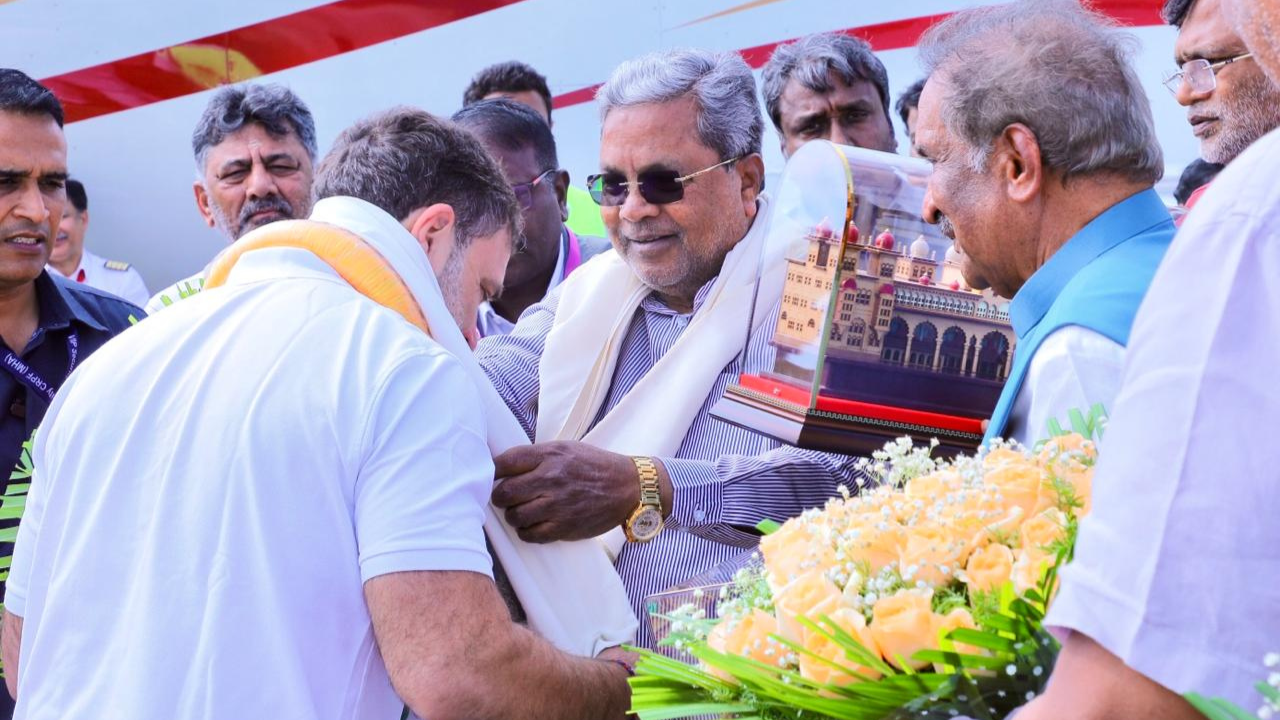
Rahul Gandhi’s recent decision to bring a former Indian Police Service (IPS) officer into his campaign team has sparked discussion across the political spectrum. The move marks a notable shift in how the Congress party is handling its election strategy, blending political experience with professional expertise.
A New Kind of Adviser The ex‑IPS officer, who prefers to remain unnamed for security reasons, has spent more than two decades in law enforcement, handling high‑profile cases and overseeing security operations in several states. After retiring, he worked as a security consultant for private firms before being approached by Gandhi’s team.
Gandhi explained that the appointment was driven by a need for disciplined planning and robust on‑ground coordination. "We are looking for someone who can bring operational rigor to our outreach efforts," he said in a brief statement. The former officer’s background in managing large teams and navigating complex logistical challenges is expected to strengthen the party’s grassroots mobilisation.
Why It Matters India’s elections are among the world’s largest democratic exercises, with over a billion eligible voters. The way major parties organise their campaigns can influence not only national policy but also regional stability and international trade relations. By integrating a security professional into a political role, the Congress party signals a willingness to adopt more structured, data‑driven tactics.
Analysts note that this could raise the bar for other parties, pushing them to seek similar expertise. "When a high‑profile leader like Gandhi adopts a technocratic approach, it forces the entire political ecosystem to rethink its methods," said a senior political scientist at a Delhi university.
The Background Rahul Gandhi has spent the past few years rebuilding his image after a series of electoral setbacks. The Congress party, once the dominant force in Indian politics, has struggled to connect with younger voters and to present a cohesive narrative against the ruling party’s well‑financed campaigns.
In recent months, Gandhi has focused on reviving the party’s organisational structure, appointing younger leaders to key positions and launching digital outreach programmes. The addition of an ex‑IPS officer is the latest step in a broader strategy to professionalise campaign operations, from voter data analysis to on‑the‑ground rally management.
Global Perspective India’s political developments are watched closely by foreign governments and investors. A more efficiently run campaign could lead to a clearer policy platform, which in turn affects foreign direct investment, trade agreements, and regional security cooperation.
The United States, the European Union, and several Asian economies have expressed interest in India’s democratic health. A campaign that demonstrates transparency, disciplined logistics, and respect for rule of law may improve India’s standing in international forums.
Potential Challenges While the appointment brings expertise, it also raises questions about the blending of security and politics. Critics argue that former law‑enforcement officials may carry a mindset more suited to enforcement than to political negotiation. There are concerns about how the officer’s past decisions might be perceived by voters who are wary of heavy‑handed tactics.
Moreover, the move could invite scrutiny from opposition parties, who may frame the decision as an attempt to militarise political campaigning. "We must ensure that political discourse remains open and that security measures do not become a tool for intimidation," warned a spokesperson from a rival party.
Looking Ahead The upcoming election cycle will test whether the integration of a former IPS officer translates into tangible results. If the Congress party can demonstrate smoother logistics, better crowd management, and more effective voter outreach, it could set a precedent for future campaigns across the country.
Experts suggest that success will depend on how well the officer adapts to the political environment, balancing security protocols with the need for open dialogue. "The real test is not just in the numbers, but in how the public perceives the fairness and inclusivity of the campaign," noted the political scientist.
Broader Implications for Indian Politics Should Gandhi’s strategy prove effective, other parties may follow suit, hiring professionals from diverse fields such as technology, logistics, and public health. This could lead to a more modernised political landscape, where data analytics and operational efficiency play a larger role.
However, the shift also risks creating a divide between traditional political actors and new technocratic entrants. Maintaining a balance that respects democratic values while embracing professional expertise will be crucial.
Conclusion Rahul Gandhi’s decision to enlist a former IPS officer reflects a growing trend of blending political acumen with professional management. The move aims to strengthen the Congress party’s campaign machinery, improve voter outreach, and present a more disciplined front.
The outcome of this experiment will be watched not only by Indian voters but also by the global community, which monitors India’s democratic processes closely. Whether this approach reshapes the country’s political playbook or meets resistance will become clearer as the election season unfolds.