Why Bangladeshis are mocking Tarique Rahman, a 12th pass, as an engineer
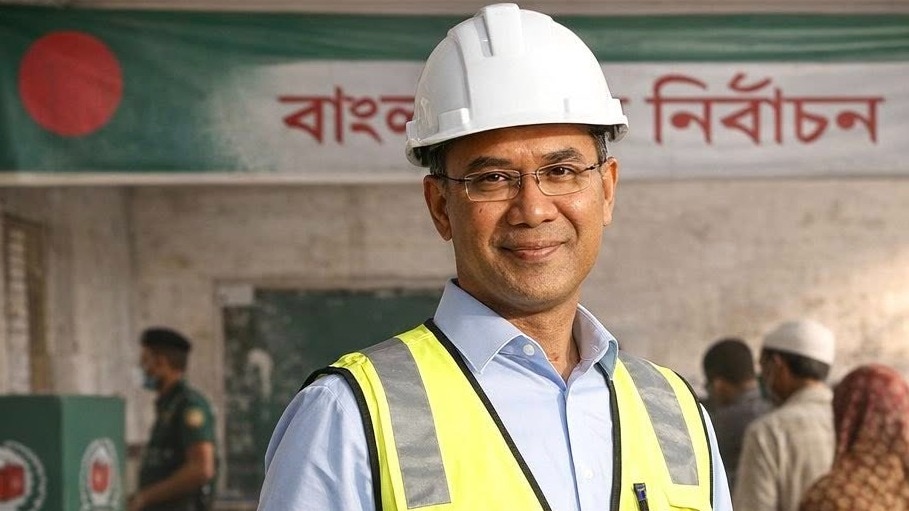
Social media platforms across Bangladesh have turned a political claim into a viral meme, ridiculing senior opposition figure Tarique Rahman for presenting himself as an engineer despite only completing the country's 12th grade. The jokes, image macros and hashtag trends have spread quickly, turning a personal credential dispute into a broader conversation about political honesty and public trust.
Background of the Controversy
Tarique Rahman, the son of former Prime Minister Khaleda Zia and a leading figure in the Bangladesh Nationalist Party (BNP), has long been a polarising personality. In recent months he has repeatedly referred to himself in public speeches and party communications as “Engineer Tarique Rahman.” The title, however, does not match any record of a university degree in engineering or any other field. Official education documents released by the BNP show that he completed secondary school (the 12th grade) but did not enroll in a higher‑education institution.
The discrepancy surfaced when a BNP event flyer listed his name with the engineer prefix. Opponents seized the opportunity to question his academic credentials, and a series of fact‑checking articles appeared on local news sites confirming that no engineering degree could be found in any university registry. The issue quickly moved beyond the political arena as ordinary netizens began to share the story with humor and sarcasm.
Social Media Reaction
Within hours of the first fact‑check post, Facebook, Twitter and TikTok users started posting screenshots of the flyer alongside captions like “Engineer? More like 12th‑pass engineer!” Memes paired his portrait with engineering symbols – helmets, calculators and construction sites – while adding captions that highlighted the gap between the title and his actual education level.
The hashtag #EngineerTarique trended for two consecutive days, drawing contributions from both political supporters and critics. Supporters attempted to defend the use of the title, arguing that it was an honorific used in informal contexts or a reference to his involvement in business projects. Critics, however, emphasized the importance of truthfulness in public statements, especially from a figure who aspires to hold high office.
The humor resonated because it tapped into a broader frustration among Bangladesh’s younger, internet‑savvy population. Many feel that political elites often exaggerate qualifications to gain prestige, and the engineer claim became a convenient target for expressing that discontent.
Political Implications
While the meme may appear light‑hearted, it carries weight for Bangladesh’s political landscape. The BNP is currently gearing up for upcoming parliamentary elections, and Tarique Rahman is positioned as a potential future leader. In a country where educational attainment is often linked to leadership credibility, a perceived misrepresentation can erode voter confidence.
Opposition parties, particularly the ruling Awami League, have subtly referenced the controversy in parliamentary debates, questioning the BNP’s commitment to transparency. Analysts note that the episode could force the BNP to tighten its internal vetting processes and avoid similar missteps in campaign materials.
Moreover, the incident highlights the growing influence of digital media on political narratives. Traditional press releases are no longer the sole source of information; a single misleading claim can be amplified, dissected and turned into a national conversation within hours.
International Perspective
Bangladesh’s democratic credentials are closely watched by foreign investors, development agencies and neighboring governments. Credibility issues among political leaders can affect perceptions of stability, which in turn influence investment decisions and aid allocations.
The engineer claim, while seemingly minor, feeds into a larger narrative about governance standards. International observers have previously raised concerns about the use of false titles and exaggerated qualifications in South Asian politics. The current episode may be cited in future reports on political transparency in Bangladesh, adding another data point for analysts assessing the country’s institutional maturity.
Possible Future Outcomes
The immediate fallout is likely to remain confined to social media banter, but the longer‑term effects could be more substantive. Three potential scenarios are emerging:
1. Damage Control by the BNP – The party may issue a clarification, stating that the engineer label was an informal honorific rather than a formal degree. A swift apology could mitigate the reputational hit and prevent opposition parties from using the issue as a campaign weapon.
2. Escalation of Political Attacks – If the BNP does not address the claim, opposition forces may intensify their criticism, framing the incident as part of a pattern of misinformation. This could shift the focus of the election discourse from policy to personal integrity.
3. Policy‑Driven Response – The controversy might spur legislative proposals requiring political candidates to disclose verified academic qualifications. Such a move would aim to restore public trust but could also become a partisan tool if not applied uniformly.
Regardless of the path taken, the episode underscores how personal branding mistakes can quickly become national talking points in the digital age. For Bangladesh’s electorate, the meme serves as a reminder to scrutinize the credentials of those who seek power.
The mockery of Tarique Rahman’s self‑styled engineer title illustrates the intersection of politics, education and internet culture in contemporary Bangladesh. While the humor is light‑hearted, it raises serious questions about authenticity, accountability and the standards expected of public figures. As the country approaches a critical election cycle, how the BNP addresses the issue may influence voter perception and shape the broader conversation about political credibility both at home and abroad.