'We’ll make independent choices': EAM Jaishankar’s sharp signal after US links trade deal to Russian...
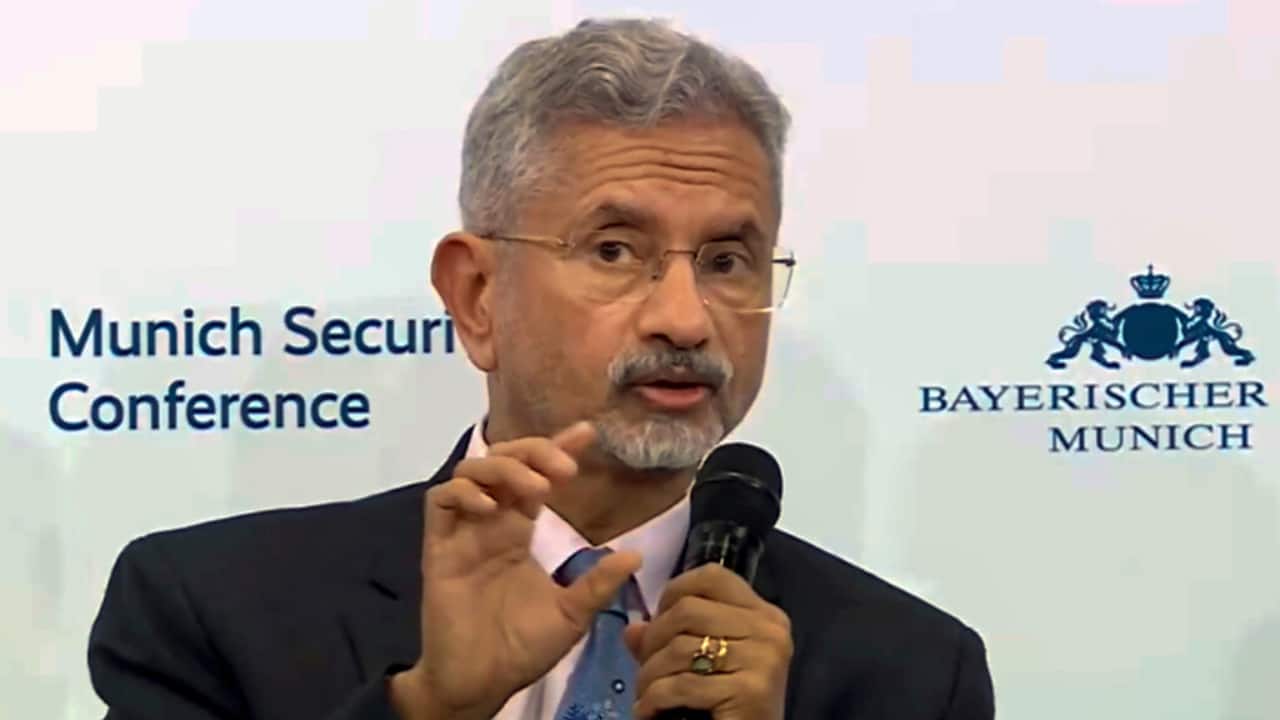
India’s top diplomat sent a clear message to Washington this week, stating that New Delhi will chart its own path even as the United States ties a pending trade deal to Moscow’s actions. The remark, made by External Affairs Minister S. Jaishankar, underscored a growing willingness in India to assert its strategic autonomy in a world where great‑power competition is intensifying.
For months, the United States has been negotiating a comprehensive trade arrangement with India, aimed at expanding market access for American goods and services while encouraging Indian investment in key sectors such as technology, defense and clean energy. The talks have been framed as a way to deepen economic ties and to counterbalance China’s growing influence in the Indo‑Pacific region.
At the same time, Washington has been pressuring allies and partners to take a firmer stance against Russia following its invasion of Ukraine. In recent weeks, senior U.S. officials hinted that the trade package could be delayed or reshaped unless India publicly condemned Moscow’s actions and aligned more closely with Western sanctions.
Jaishankar’s comment came during a press briefing after a bilateral meeting with the U.S. secretary of state. When asked whether India would modify its position on Russia to secure the trade agreement, the minister replied, “We will make independent choices.” He added that India’s foreign policy is guided by its own national interests, historical ties, and a commitment to strategic autonomy.
Why it matters globally
The statement has several implications for international relations:
1. Strategic autonomy signal – India has long pursued a non‑aligned stance, balancing relationships with the United States, Russia, and China. By reiterating its independence, New Delhi signals that it will not be drawn into a binary choice between Washington and Moscow.
2. Impact on U.S. trade goals – The United States hopes the trade deal will create a deeper economic partnership that can serve as a counterweight to China. If India resists pressure to align with U.S. sanctions, Washington may need to reconsider how it leverages trade as a diplomatic tool.
3. Russia’s foothold in Asia – Russia continues to rely on Indian defense purchases, energy cooperation and diplomatic support to offset Western isolation. A firm Indian stance could preserve that relationship, giving Moscow a strategic partner in the region.
4. Regional power dynamics – Other Asian nations are watching closely. Japan, Australia and South Korea have all expressed interest in stronger U.S. ties, and India’s decision could influence how these countries calibrate their own policies toward Russia and the West.
Possible future impact
The next steps are likely to unfold on several fronts:
Trade negotiations – If the United States maintains its link between the trade pact and a Russian policy shift, the talks could stall. India may seek to decouple economic cooperation from geopolitical demands, pushing for a deal that focuses solely on market access and technology transfer.
Defense and security cooperation – India’s defense procurement from Russia includes key platforms such as the S‑400 missile system and the BrahMos missile. Any move to reduce reliance on Russian hardware would require a substantial shift in procurement strategy and could open space for U.S. defense firms.
Diplomatic engagement – Both Washington and New Delhi are likely to increase high‑level dialogues to manage the tension. The United States may offer incentives unrelated to sanctions, such as greater investment in renewable energy projects or support for India’s infrastructure initiatives.
Global supply chains – A delay in the trade agreement could affect multinational companies that view India as a hub for manufacturing and services. Companies may reassess investment timelines, which could have ripple effects on employment and technology transfer in the region.
* Sanctions regime – India has historically avoided joining Western sanctions against Russia, arguing that sanctions hurt global economic stability. Continued refusal to align could encourage other emerging economies to adopt a similar stance, potentially weakening the overall effectiveness of the sanctions.
Jaishankar’s remarks reflect a broader balancing act that Indian policymakers have been managing since the Cold War. While the United States offers a partnership that includes technology, investment and strategic alignment against China, Russia provides reliable defense equipment and a long‑standing diplomatic rapport.
Domestic considerations also play a role. Indian industry groups have welcomed the prospect of a U.S. trade deal, citing opportunities for export growth and job creation. At the same time, political parties across the spectrum have warned against any policy that appears to compromise India’s sovereign decision‑making.
The exchange between New Delhi and Washington highlights a shifting paradigm in how trade and security are intertwined. As the United States continues to use economic incentives to shape foreign policy, India is signaling that it will not be a passive recipient. The outcome of the negotiations will likely set a precedent for how major economies engage with each other when strategic interests clash.
Whether the two sides can find common ground without forcing India to choose between its historic ties with Russia and a deeper economic partnership with the United States remains to be seen. What is clear is that the next few months will be crucial in defining the contours of Indo‑U.S. cooperation and the broader balance of power in the Indo‑Pacific region.