US Senate votes against resolution to curb Trumps Iran war power
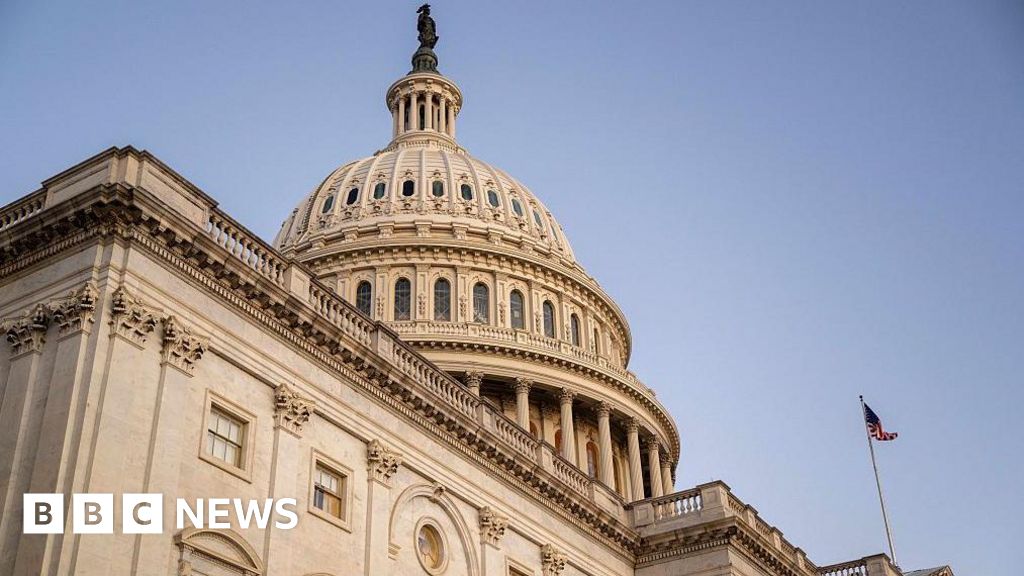
The United States Senate has voted down a bipartisan resolution that sought to limit the president’s ability to order military strikes against Iran. The measure, which would have required congressional approval before any new offensive action, fell short of the 60‑vote threshold needed to overcome a filibuster. The defeat leaves the executive branch free to pursue further escalation without the check that many lawmakers argued was essential for constitutional balance.
Why the resolution mattered
Since the administration began signaling a tougher stance toward Tehran, members of both parties have expressed concern over the lack of clear limits on presidential war powers. The proposed amendment was introduced after a series of high‑profile incidents – including the downing of a U.S. drone, attacks on shipping in the Persian Gulf, and a series of cyber operations attributed to Iran – that raised the specter of a broader conflict. Proponents argued that a formal vote would force the president to justify any use of force before the nation’s elected representatives, reinforcing the war‑powers clause of the Constitution.
What the vote looked like
Senators cast their votes in a largely partisan split, with a small group of moderates breaking ranks on both sides. The final tally showed 48 votes in favor, 52 against, and several senators abstaining or absent. The opposition cited concerns that the resolution could hamper the president’s ability to act quickly in a volatile region, arguing that the executive branch is best positioned to respond to emerging threats.
Lawmakers who supported the amendment called the outcome a setback for democratic oversight. One senior senator said the vote “underscores a growing disconnect between the branches of government when it comes to decisions that could lead to war.” Critics of the measure, however, warned that imposing a legislative hurdle could embolden adversaries who perceive a lack of resolve.
The Senate’s decision reverberates beyond Washington. Allies in Europe and the Middle East have been watching U.S. policy closely, as American actions often shape regional security calculations. A clear congressional signal might have reassured partners that any escalation would be carefully weighed, while the vote’s failure may be read as a green light for more aggressive posturing.
In Tehran, officials have framed the Senate’s rejection as evidence that the United States is unwilling to engage in diplomatic dialogue. State media quoted a senior foreign ministry official saying the move “confirms the U.S. intent to pursue a coercive strategy rather than a negotiated solution.” Such rhetoric could fuel nationalist sentiment and make diplomatic overtures harder to achieve.
The constitutional debate
The clash touches on a long‑standing constitutional question: how much authority does the president hold to deploy forces without explicit congressional consent? The War Powers Resolution of 1973 attempted to codify a balance, requiring the president to notify Congress within 48 hours of any armed conflict and to withdraw forces after 60 days unless Congress authorizes continued action. Over the decades, presidents have often sidestepped these requirements, citing national security imperatives.
Legal scholars note that the Senate’s vote does not change the legal framework, but it does signal the political appetite for stricter enforcement. “If Congress cannot muster the votes to pass a binding restriction, the executive will continue to operate in a gray area,” one constitutional law professor explained. The debate may resurface if a new incident pushes the United States closer to open hostilities.
Even without the resolution, lawmakers have other tools at their disposal. Some senators have hinted at introducing separate legislation that would fund or defund specific military operations, effectively using the budget process as a lever. Others are exploring the possibility of a formal impeachment inquiry if they believe the president has overstepped legal boundaries.
The administration, for its part, has pledged to continue engaging with allies and to keep diplomatic channels open, while also maintaining the option of a limited strike if deemed necessary. A senior official emphasized that any decision would be taken after “a thorough assessment of the risks and benefits to American lives and interests.”
What this means for the public
For ordinary Americans, the vote underscores how foreign policy decisions can be made with limited direct input. While the Senate’s role is to represent the public’s interests, the procedural hurdles of the filibuster often mean that only a narrow coalition can push through major changes. The outcome may encourage advocacy groups to push for reforms to the legislative process itself, aiming to make it easier to assert congressional authority over war powers.
The next weeks are likely to see heightened diplomatic activity as the United States seeks to manage tensions without triggering a larger conflict. Regional actors will be watching closely to gauge whether the U.S. will act unilaterally or seek a multilateral approach involving NATO allies and Gulf partners.
If a new incident occurs—such as an attack on U.S. vessels or a cyber intrusion blamed on Iran—the administration could decide to launch a limited strike. In that scenario, the lack of a binding congressional restriction could make it easier for the president to act swiftly, but it would also reignite the debate over accountability.
Ultimately, the Senate’s vote reflects a broader struggle over how the United States balances the need for rapid response with the principle of democratic oversight. As the geopolitical landscape in the Middle East continues to shift, the question of who decides when to use force remains at the heart of American foreign policy. The outcome of this debate will shape not only the relationship with Iran but also the United States’ credibility on the world stage.
The Senate’s decision does not close the door on future attempts to curb executive war powers, but it does signal that, for now, the balance tilts in favor of presidential discretion.