US, Israel poised for major military operation against Iran 'very soon': Report
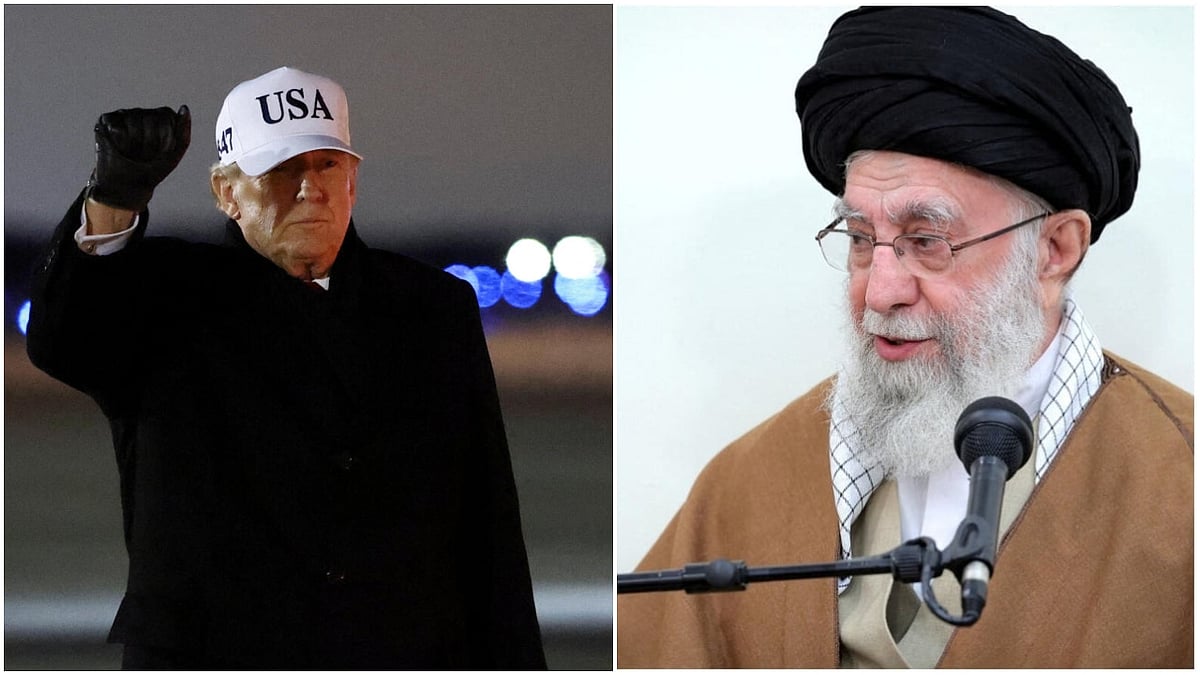
The United States and Israel are reportedly nearing a decision to carry out a large‑scale military strike against Iran. Intelligence officials say the two allies have been exchanging plans for weeks, and senior commanders believe the window for action is narrowing. If a coordinated operation moves forward, it would mark the most significant escalation in the Middle East since the 2003 invasion of Iraq.
Background to the growing crisis
Iran’s nuclear ambitions have been a source of tension for decades. Over the past few years, Tehran has enriched uranium to higher levels, expanded its stockpile of advanced centrifuges, and conducted a series of missile tests that can reach much of the region. At the same time, Iranian‑backed groups have claimed responsibility for attacks on commercial vessels in the Strait of Hormuz, a vital artery for global oil shipments. Those incidents have prompted the United States to impose a new round of sanctions and to increase naval patrols in the Persian Gulf.
Israel views a nuclear‑armed Iran as an existential threat. Former Israeli leaders have warned that a nuclear breakthrough in Tehran would alter the strategic balance of the Middle East permanently. Over the past months, Israeli officials have repeatedly called for a decisive response, arguing that diplomatic pressure alone will not stop Iran’s program. The rhetoric has been accompanied by covert operations, cyber attacks on Iranian facilities, and the deployment of additional air‑defense assets to the region.
U.S. and Israeli coordination
According to the report, senior officials from the U.S. Department of Defense and Israel’s Defense Forces have been meeting in secret locations to align their strategies. The discussions focus on target selection, timing, and the division of responsibilities. U.S. planners are said to be preparing air‑strike packages that could involve long‑range bombers, stealth fighters, and cruise missiles launched from naval vessels. Israel, on its side, is reportedly readying its own air force and special‑operations units to strike key nuclear sites and missile production facilities.
Both governments have emphasized the need for a “limited, surgical” operation that avoids a broader war. However, analysts note that any strike on Iran’s nuclear infrastructure would likely trigger a retaliatory response, either through missile attacks on U.S. bases in the region or by proxy groups targeting Israeli cities. The United States has been quietly moving additional troops and equipment to forward bases in the Gulf, a step that would provide rapid reinforcement if the situation spirals.
Regional and global implications
A major military action against Iran would have immediate repercussions for neighboring countries. Saudi Arabia, the United Arab Emirates and other Gulf states have long feared Iranian influence and might welcome a decisive blow, yet they also rely on stable oil markets. Disruption of the Strait of Hormuz could cause a sharp rise in oil prices, affecting economies worldwide. Moreover, Russia and China, both strategic partners of Tehran, have warned that an attack would be “unacceptable” and could lead to a new Cold‑War‑like confrontation.
The United Nations Security Council would face a difficult test. Past resolutions have called for diplomatic solutions, and any unilateral use of force could be condemned as a violation of international law. Yet the United States and Israel argue that the operation would be a pre‑emptive act to prevent a future nuclear threat, a stance that has been used to justify similar actions in the past.
Potential paths forward
Diplomacy remains on the table, but the report suggests that negotiators see limited room for progress. Recent talks in Europe have stalled over disagreements on verification mechanisms and the lifting of sanctions. If the military option proceeds, the first phase would likely target the Natanz and Fordow enrichment facilities, which house much of Iran’s uranium stockpile. Secondary targets could include missile‑test sites and command‑and‑control centers.
Should the strike be carried out, the next steps could involve a series of diplomatic overtures aimed at containing the fallout. The United States may seek to rally a coalition of allies to pressure Iran into returning to negotiations, while Israel could press for security guarantees that limit Tehran’s ability to rebuild its nuclear capacity.
Conversely, a failed or partially successful operation could embolden Iran’s leadership, prompting a more aggressive posture. In that scenario, the risk of a broader regional conflict would increase, drawing in other powers and potentially leading to a protracted proxy war.
The possibility of a coordinated U.S.–Israeli strike against Iran underscores how quickly the situation in the Middle East can shift from diplomatic friction to kinetic conflict. While the reported preparations suggest that a decision may be made soon, the stakes are high for both regional stability and global security. Observers will be watching closely for any official statements, troop movements, or diplomatic signals that could confirm or derail the plan. The outcome will shape not only the balance of power in the Middle East but also the broader international approach to nuclear proliferation and the use of force in the 21st century.