US Israel Iran: Report flags major joint military operation soon
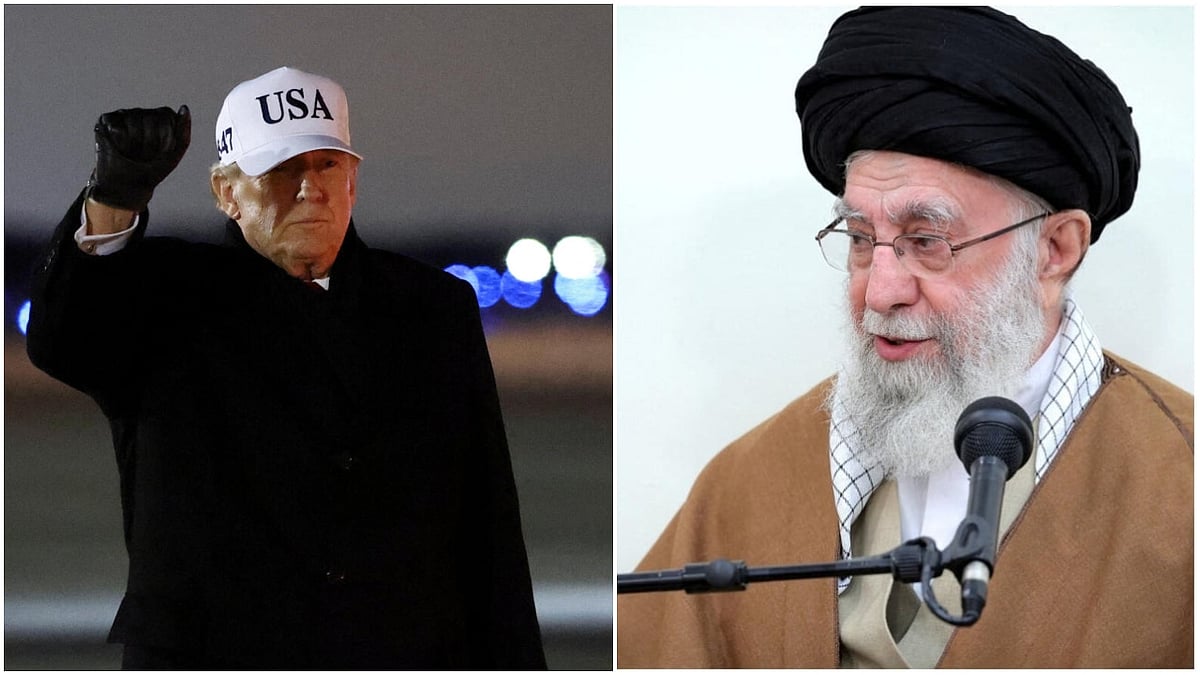
A recently leaked intelligence briefing has raised the prospect of a coordinated military effort by the United States and Israel aimed at Iran. The document, reviewed by several security analysts, outlines possible scenarios for a joint operation that could begin within weeks. While the details remain classified, the report signals a shift from diplomatic pressure to a more direct approach, prompting analysts to reassess the stability of the Middle East and the risk of wider conflict.
Background of Tensions The relationship between the United States, Israel, and Iran has been fraught for decades. Tehran’s nuclear program, support for proxy groups in Lebanon, Syria, and Iraq, and repeated missile tests have kept the three nations at odds. The United States has imposed multiple rounds of sanctions, and Israel has repeatedly warned of a pre‑emptive strike if Iran’s capabilities cross a perceived red line. In recent years, diplomatic talks have stalled, and both Washington and Jerusalem have increased their military readiness in the region.
The New Report According to the briefing, intelligence agencies have identified a window of opportunity that could allow a synchronized strike on key Iranian facilities. The plan reportedly includes air strikes on nuclear enrichment sites, cyber operations to disrupt command networks, and naval deployments to block Iranian access to the Gulf. The document stresses that any action would be contingent on diplomatic developments, but it also notes that the United States and Israel have already conducted joint exercises that mirror elements of the proposed operation.
Potential Scope of the Operation If carried out, the operation could involve a combination of stealth aircraft, unmanned drones, and special‑operations forces. Analysts estimate that the initial phase would target the Natanz and Fordow enrichment plants, which are central to Iran’s nuclear ambitions. A secondary focus could be missile launch sites in the western desert and the naval base at Bandar Abbas. The report also mentions a cyber‑war component designed to impair Iran’s air‑defense systems and communication channels, reducing the risk to attacking forces.
International Reactions Early reactions from global capitals have been cautious. European Union officials have urged restraint, emphasizing the need for a diplomatic solution. Russia, a longtime ally of Tehran, warned that any unilateral action would destabilize the region and could lead to a broader confrontation. China called for dialogue and warned that sanctions or military moves could disrupt global energy markets. Meanwhile, the United Nations has not yet convened a formal session on the matter, but several member states are reportedly preparing statements for an emergency meeting.
Implications for Regional Stability A joint US‑Israel strike would have immediate repercussions across the Middle East. Iran’s allies, such as Hezbollah in Lebanon and the Houthis in Yemen, could respond with rocket attacks or asymmetric warfare targeting Israeli and Western interests. Oil prices, already sensitive to geopolitical risk, could spike, affecting economies far beyond the region. Moreover, the operation could set a precedent for pre‑emptive action, encouraging other states to adopt similar tactics when faced with perceived threats.
Humanitarian Concerns Beyond the strategic calculations, humanitarian experts warn of civilian casualties and displacement. Past conflicts in the area have shown that even precision strikes can cause collateral damage, especially in densely populated zones near military targets. The briefing acknowledges the need for post‑strike stabilization measures, but critics argue that the plan does not sufficiently address the long‑term needs of affected populations.
What May Come Next The next weeks will likely determine whether diplomatic channels can de‑escalate the situation. High‑level talks between Washington and Tehran, possibly mediated by European powers, could either delay or cancel the proposed operation. Conversely, if intelligence indicates an imminent threat—such as the movement of nuclear material—military planners may feel compelled to act swiftly. In either scenario, the world will be watching closely for official statements and any signs of mobilization.
Conclusion The emergence of this report underscores how quickly the balance between diplomacy and force can shift in a volatile region. While the United States and Israel have long viewed Iran as a strategic challenge, moving from rhetoric to a coordinated strike carries profound risks. The global community faces a delicate task: to support efforts that curb nuclear proliferation while preventing a spiral into open conflict. How policymakers navigate this crossroads will shape the security landscape of the Middle East for years to come.