US Energy Chief Signals Iran War May Last Several More Weeks
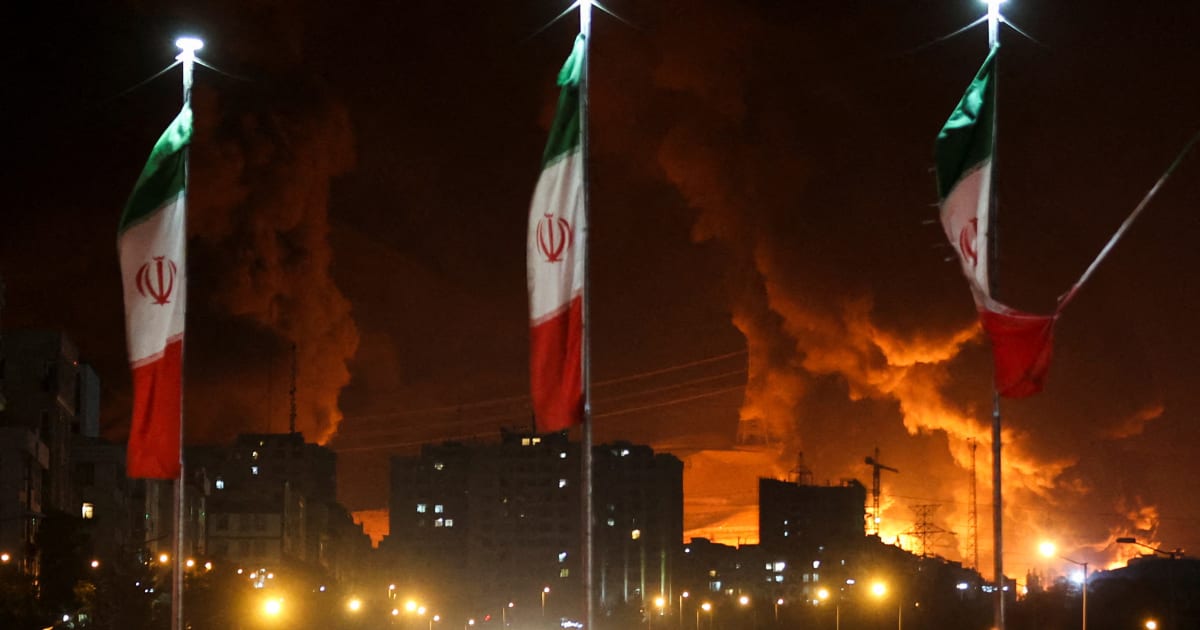
The top official at the U.S. Energy Department has warned that the conflict involving Iran may continue for several more weeks, a projection that could reshape oil markets and heighten global uncertainty.
Why the warning matters
The United States monitors global energy supplies closely because any disruption can quickly affect fuel prices, inflation and the broader economy. When a senior energy official signals a prolonged conflict, investors, policymakers and consumers alike pay attention. A longer war means more chances for supply interruptions, especially in a region that already supplies a large share of the world’s oil.
Background on the conflict
Tensions between Iran and its regional rivals have flared repeatedly over the past decade. Recent incidents have involved missile strikes, naval engagements in the Persian Gulf and cyber attacks on critical infrastructure. The United States has responded with diplomatic pressure, sanctions and, at times, limited military actions to protect its interests and those of allied nations.
The current escalation began after a series of confrontations that threatened the safety of commercial shipping lanes. Both sides have exchanged fire, and the fighting has spilled onto land and sea. While the conflict remains localized, its impact on global energy flows is already evident.
How oil markets are reacting
Since the warning was issued, crude futures have shown a steady rise. Traders cite the risk of a supply squeeze as a key factor. The Persian Gulf is home to several of the world’s largest oil‑producing nations, and any blockage of the Strait of Hormuz—a narrow waterway through which roughly a fifth of global oil passes—could cause a sharp price jump.
In addition to price movements, the warning has prompted oil companies to reassess their logistics. Some have rerouted tankers to avoid the most volatile zones, while others are increasing inventory levels at strategic ports. These adjustments add cost and complexity to an already tight market.
Global economic implications
Higher oil prices ripple through the global economy. Transportation costs rise, which in turn pushes up the price of goods that rely on shipping. For countries already battling inflation, a sustained increase in energy costs could force central banks to tighten monetary policy faster than planned.
Developing economies that import large amounts of oil are particularly vulnerable. A prolonged conflict could strain foreign‑exchange reserves, widen trade deficits and spark social unrest if fuel becomes unaffordable for ordinary citizens.
Geopolitical ripple effects
Beyond economics, the conflict influences diplomatic calculations worldwide. Nations that depend on Persian Gulf oil, such as many in Europe and Asia, may seek alternative suppliers or accelerate the transition to renewable energy sources. At the same time, regional powers could be drawn into the fray, either to protect their own interests or to capitalize on a shifting balance of power.
The United States, while not directly engaged in combat, maintains a naval presence in the area to ensure freedom of navigation. A longer conflict may require a larger deployment of ships and aircraft, stretching resources that are already committed elsewhere.
Possible scenarios for the coming weeks
Analysts outline three broad paths the situation could take:
1. De‑escalation through diplomacy – International mediators could broker a cease‑fire, easing immediate pressure on oil routes. Even a temporary pause would likely calm markets, though underlying tensions might remain. 2. Limited escalation – Fighting could intensify in specific hotspots without expanding into a full‑scale war. In this case, oil supplies might be intermittently disrupted, leading to price volatility but not a sustained spike. 3. Broadening conflict – If additional regional actors become involved, the war could spread, raising the risk of a prolonged closure of key shipping lanes. This outcome would have the most severe impact on global energy security.
The Energy Department’s chief emphasized that the department is monitoring the situation “hour by hour.” He also noted that the United States is working with allies to keep the flow of oil as steady as possible, using strategic reserves and diplomatic channels when needed.
What consumers can expect
For most people, the immediate effect will be seen at the pump. Gasoline prices are likely to inch higher, especially in areas that rely heavily on imported fuel. Some airlines may raise ticket prices to cover higher jet‑fuel costs, and freight companies could pass on additional expenses to shippers.
While the warning suggests a longer conflict, it does not guarantee a permanent disruption. History shows that markets can adapt, and governments often intervene to stabilize supply. Nonetheless, the uncertainty itself can be enough to keep prices elevated.
The conflict underscores the fragility of a global energy system that still leans heavily on fossil fuels. Many policymakers view the situation as a catalyst to accelerate investment in renewable energy, storage solutions and domestic production capabilities.
If the war does extend for several weeks, it may provide a clearer picture of how resilient supply chains truly are. The experience could shape future strategies, from diversifying import sources to building larger strategic petroleum reserves.
The Energy Department’s warning serves as a reminder that geopolitical events can quickly translate into economic consequences. A prolonged Iran‑related conflict threatens to tighten oil markets, raise prices and add strain to an already delicate global economy. While diplomatic efforts continue, businesses and consumers should prepare for possible price fluctuations and stay informed about developments in the region. The coming weeks will be critical in determining whether the war remains a short‑term flare‑up or evolves into a longer‑lasting challenge for global energy stability.