US attack on Iran imminent? UK pulls staff, China issues travel warning as tensions in region escalate
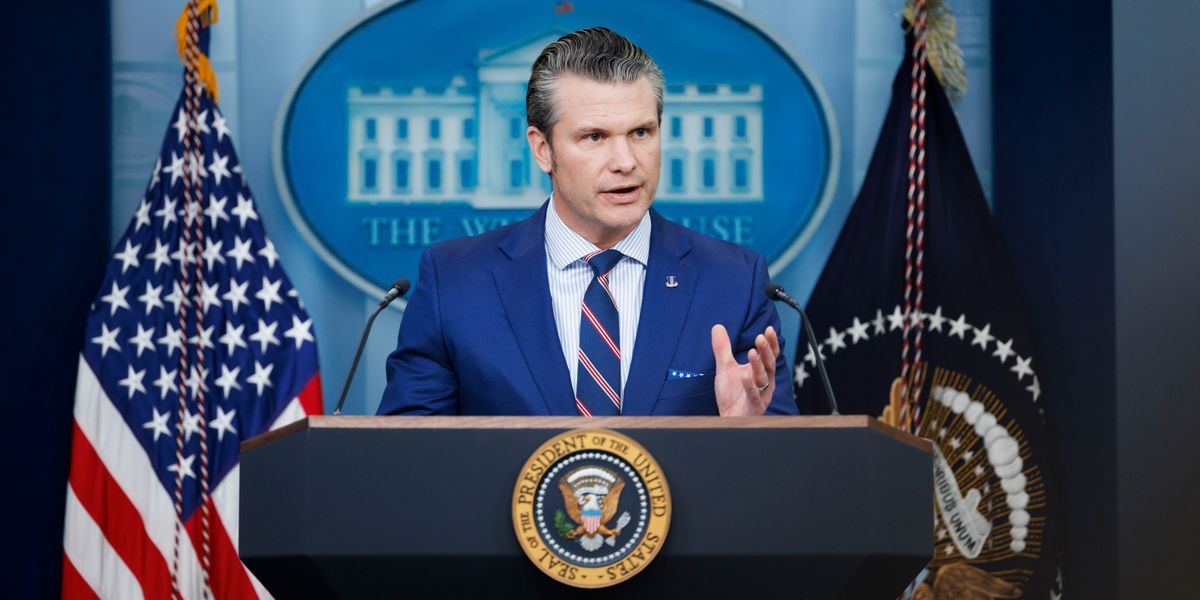
The possibility of a U.S. strike against Iran has moved from speculation to urgent discussion after the United Kingdom announced the removal of its diplomatic personnel from Tehran and China issued a travel advisory for its citizens in the region. The developments signal a sharp escalation in a dispute that has already strained global supply chains, energy markets and diplomatic relations.
Background to the crisis
Tensions between Washington and Tehran have been building for months. The United States has repeatedly accused Iran of supporting militant groups in the Middle East, destabilising shipping lanes in the Gulf of Oman, and pursuing a nuclear program that it says threatens regional security. Iran, for its part, denies the allegations and insists its nuclear activities are for peaceful purposes. Recent incidents – including a series of unmanned aerial vehicle sightings near U.S. naval vessels and a series of cyber‑attacks attributed to Iranian actors – have added fuel to an already volatile situation.
Diplomatic talks in Vienna, aimed at reviving the 2015 nuclear agreement, have stalled. Both sides have exchanged harsh rhetoric, with U.S. officials warning that any further Iranian aggression could trigger a “proportionate response.” Iran’s leadership, meanwhile, has threatened to close the Strait of Hormuz if it feels its sovereignty is under attack. The strait is a critical chokepoint for oil shipments, and any disruption would have immediate repercussions for global energy prices.
UK pulls staff from Tehran
In response to the heightened risk, the United Kingdom’s Foreign, Commonwealth & Development Office confirmed that it has relocated its embassy staff to a safer location outside Iran. The move follows a risk assessment that concluded the likelihood of a direct conflict had risen sharply. British officials emphasized that the decision was precautionary and that the UK remains committed to diplomatic engagement with Iran, but they also warned that the safety of personnel could not be guaranteed if hostilities began.
The withdrawal is the most significant diplomatic step taken by a Western nation since the 2019 U.S. killing of Iranian General Qasem Soleimani. While the UK has not severed diplomatic ties, the reduction in on‑the‑ground presence limits its ability to monitor developments closely and may hamper any back‑channel negotiations that could defuse the crisis.
China issues travel warning
China’s Ministry of Foreign Affairs issued a travel advisory urging its citizens to avoid non‑essential travel to Iran, Iraq and the wider Gulf region. The warning cites “the possibility of sudden escalation of hostilities” and highlights the risk of disruption to transportation and communications infrastructure. Chinese officials also called for all parties to exercise restraint and to resolve disputes through dialogue.
China is a major trading partner for Iran, particularly in the oil sector, and the advisory underscores Beijing’s concern about the economic fallout of a conflict. By urging its citizens to stay away, China signals that it is watching the situation closely and is prepared to protect its nationals if the security environment deteriorates further.
Potential consequences for the region
If the United States were to launch a limited strike against Iranian military facilities, the immediate fallout would likely be a rapid escalation. Iran has the capacity to retaliate with missile attacks on U.S. bases in the Middle East, as well as through proxy groups in Lebanon, Syria and Yemen. Such a chain reaction could draw in regional powers, including Saudi Arabia and Israel, each of which maintains its own strategic interests in the area.
The Strait of Hormuz is the most vulnerable flashpoint. A closure, even temporary, would cut off roughly 20 percent of the world’s oil supply, pushing prices higher and potentially triggering a broader economic shock. Shipping insurers have already raised premiums, and several major carriers have rerouted vessels to avoid the risk zone, adding to logistical bottlenecks.
Beyond energy, the conflict could affect global food security. The Middle East imports a large share of its wheat and other staples from countries that rely on sea routes passing through the Gulf. Any interruption could raise food prices in vulnerable markets, compounding existing inflationary pressures.
International response
European Union members have called for calm and urged both Washington and Tehran to return to diplomatic talks. The United Nations Security Council is expected to convene an emergency session, though past divisions between the United States and Russia make consensus difficult. Russia, a long‑time ally of Iran, has warned that any unilateral action would be “dangerous” and could destabilise the entire region.
The United Nations International Atomic Energy Agency (IAEA) has reiterated its readiness to verify Iran’s nuclear activities, provided Tehran allows inspectors full access. However, the agency’s ability to act as a neutral arbiter is limited if the security situation deteriorates.
Analysts stress that the next few days are critical. A diplomatic breakthrough could halt the slide toward armed conflict, but the window is narrowing as both sides prepare contingency plans. The United Kingdom’s staff withdrawal and China’s travel warning are clear signals that the international community is taking the risk seriously.
For businesses, the advice is to monitor supply‑chain exposures and consider contingency arrangements. Energy traders are already adjusting forecasts, while airlines and logistics firms are revising routes to minimise exposure to potential disruptions.
For ordinary citizens, the primary takeaway is to stay informed about travel advisories and to avoid non‑essential trips to the region until the situation stabilises. Governments worldwide are likely to update their guidance as new intelligence emerges.
The convergence of a possible U.S. military strike, the UK’s diplomatic pull‑back and China’s travel warning marks a turning point in the already fragile U.S.-Iran relationship. While a full‑scale war is not inevitable, the risk of miscalculation has risen sharply. The coming weeks will test the resolve of diplomatic channels and the willingness of major powers to de‑escalate. The outcome will shape not only Middle Eastern geopolitics but also global energy markets, trade flows and the broader international order.