US and Indonesia finalise deal to cut tariffs to 19%
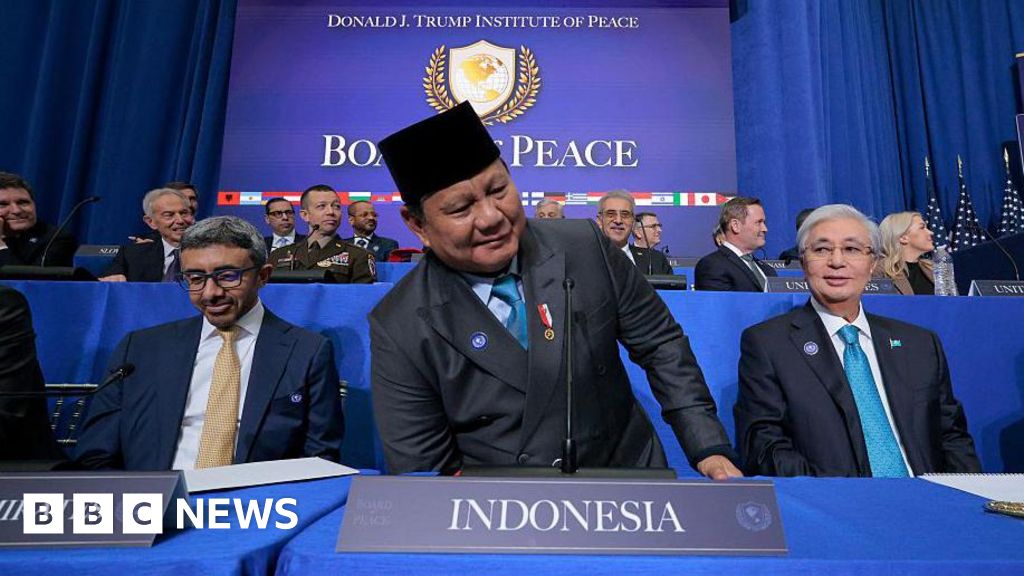
The United States and Indonesia have reached a final agreement to lower tariffs on a wide range of goods to a uniform 19 percent. The move is expected to make imported products cheaper for consumers in both countries and to open new opportunities for exporters. By aligning tariff rates, the two nations aim to strengthen their economic partnership and create a more predictable trading environment.
Trade between the United States and Indonesia has grown steadily over the past decade, driven by demand for agricultural products, electronics, and consumer goods. However, differing tariff schedules have long created uncertainty for businesses that rely on cross‑border supply chains. Indonesian exporters have faced higher duties on certain U.S. goods, while American manufacturers have navigated a patchwork of rates on Indonesian inputs. Both sides have repeatedly called for a clearer, more balanced framework.
Negotiations began in earnest last year, after a series of high‑level meetings highlighted the need for a comprehensive review of existing duties. Trade officials from Washington and Jakarta worked through a series of technical panels, focusing on sectors where tariff disparities were most pronounced. The dialogue was supported by industry groups that warned of lost competitiveness if the status quo persisted. After months of data exchange and policy modeling, the two governments announced that they had reached a consensus.
Under the new arrangement, tariffs on more than 1,200 product lines will be set at a flat 19 percent, replacing the previous range that spanned from 0 to 35 percent. The agreement covers agricultural items such as coffee, cocoa, and seafood, as well as manufactured goods including automotive parts, machinery, and textiles. Both sides will also establish a joint monitoring committee to review the impact of the tariff changes and to address any implementation issues that arise.
Impact on U.S. Businesses
For American companies, the reduced duties mean lower input costs for products that incorporate Indonesian components. Small and medium‑sized manufacturers, in particular, anticipate tighter profit margins as the cost savings are passed through the supply chain. Retailers expect a modest decline in retail prices for items like furniture and apparel, which could stimulate consumer spending. Exporters of agricultural goods, such as soybeans and pork, also stand to benefit from a more predictable market for Indonesian imports.
Impact on the Indonesian Economy
Indonesia is projected to see a boost in export volumes, especially in sectors where U.S. demand has been strong but price‑sensitive. Lower tariffs on U.S. machinery and technology products will make it easier for Indonesian firms to upgrade production lines, potentially increasing productivity across the manufacturing sector. The agreement is also likely to attract foreign investment, as investors view the stable tariff regime as a sign of a business‑friendly environment.
The tariff reduction arrives at a time when many economies are reassessing trade policies amid shifting geopolitical dynamics. By moving toward a simpler tariff structure, the United States and Indonesia signal a willingness to cooperate outside of larger multilateral frameworks. Analysts suggest that the deal could serve as a model for other bilateral relationships, especially in the Indo‑Pacific region where supply‑chain diversification is a priority.
Both governments have indicated that the tariff agreement is just the first step toward deeper economic integration. Future discussions may explore mutual recognition of standards, cooperation on digital trade, and joint investments in renewable energy. The joint monitoring committee will submit its first report within a year, providing data on trade flows and any necessary adjustments. If the outcomes are positive, policymakers may consider further reductions or the expansion of the agreement to cover services.
The decision to standardize tariffs at 19 percent marks a significant milestone in U.S.–Indonesia trade relations. By removing a layer of complexity, the agreement is set to lower costs for consumers, improve competitiveness for businesses, and lay the groundwork for broader cooperation. As the two economies begin to feel the effects of the new rates, the global trade community will be watching to see whether this bilateral approach can inspire similar moves elsewhere.