UAE Official Calls Report Of Strike On Iran Desalination Plant ‘Fake News’
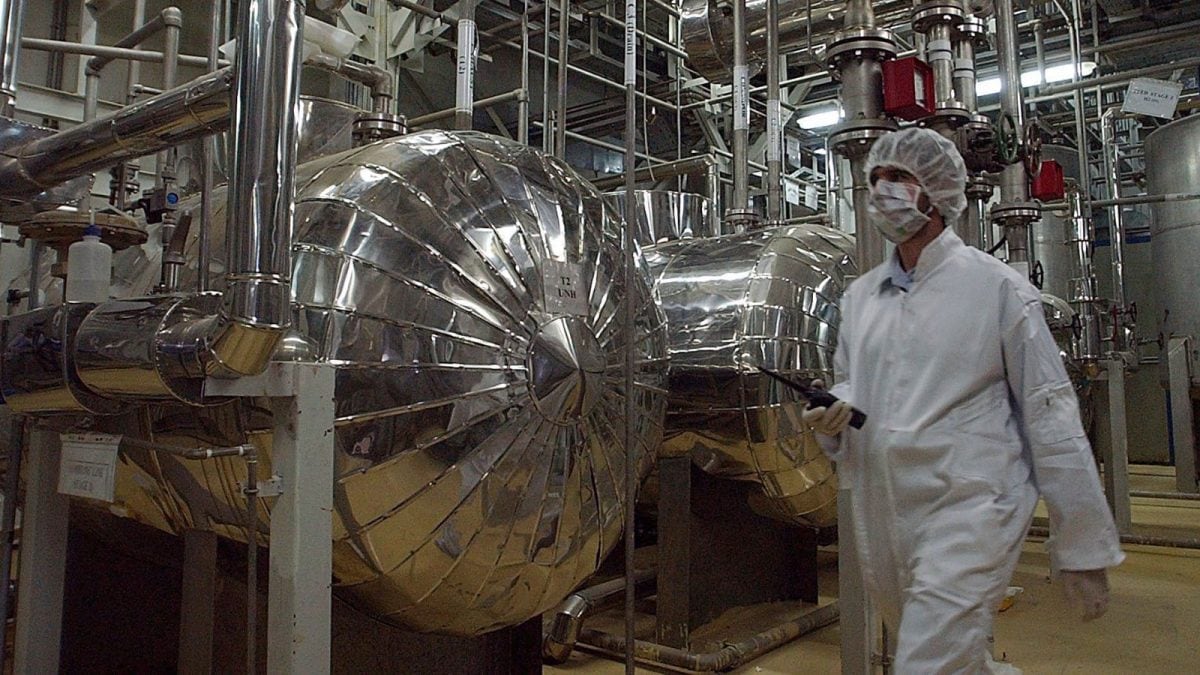
The United Arab Emirates’ foreign ministry has publicly rejected recent reports that a strike hit a major desalination facility in Iran, calling the story "fake news" and warning that unverified claims could inflame regional tensions.
Iran relies heavily on desalination to meet the water needs of its growing population, especially along the arid Persian Gulf coast. The country operates several large plants that turn seawater into drinking water, a strategic asset that also supports industry and agriculture. In recent months, media outlets in the region have circulated rumors of a covert operation targeting one of these plants, suggesting that a foreign actor had carried out a sabotage or missile strike.
The narrative quickly spread on social platforms, with video clips, satellite images and anonymous sources cited as evidence. Some commentators linked the alleged attack to the broader rivalry between Tehran and its Gulf neighbours, while others hinted at possible involvement by non-state actors.
The Claim and Response
In a brief statement released to the press, the UAE’s foreign ministry spokesperson said the reports were "completely unfounded" and that the ministry had no information confirming any such incident. The official added that the UAE "takes any suggestion of violence in the region very seriously" and urges all parties to rely on verified facts before drawing conclusions.
The spokesperson also emphasized the importance of maintaining open channels of communication between Gulf states. "We are committed to a stable and peaceful environment in the Gulf, and we encourage responsible journalism that does not sensationalize unverified claims," the statement read.
Even if the strike never occurred, the story highlights several key issues that affect the wider Middle East:
Water security – Desalination plants are critical to Iran’s water strategy. Any disruption, real or imagined, can trigger public concern and strain diplomatic relations. Regional rivalry – Accusations of sabotage feed into existing mistrust between the UAE, Iran and other Gulf Cooperation Council (GCC) members. A false narrative can be used to justify military posturing or harden political stances. * Information warfare – The rapid spread of unverified claims illustrates how misinformation can be weaponized, especially when it touches on sensitive infrastructure.
Analysts note that the UAE’s swift denial serves two purposes: protecting its own reputation from being linked to an alleged attack, and preventing escalation that could arise from a misinterpretation of the rumor.
Verification and Media Responsibility
Independent observers point out that satellite imagery of the alleged target shows no visible damage during the period in question. Moreover, the Iranian Ministry of Energy has not released an official statement confirming any incident, and local news agencies have largely refrained from covering the story.
Media watchdog groups stress the need for journalists to corroborate sources before publishing. "In conflict-prone regions, a single unverified claim can ripple across borders and affect public perception," said a regional press freedom advocate. "Outlets should prioritize verification, especially when the story involves critical infrastructure like water supply.
The incident also underscores the role of social media platforms in amplifying unverified content. Algorithms that prioritize sensational headlines can inadvertently give false stories a wider audience, prompting officials to intervene.
Potential Implications
If the rumor had been accepted as fact, several scenarios could have unfolded:
1. Diplomatic fallout – Iran might have lodged formal protests, demanding explanations and possibly threatening retaliatory measures. 2. Economic impact – Investors and businesses reliant on stable water supplies could have reconsidered projects in the region, affecting trade and development. 3. Security measures – Both Iran and neighboring states could have increased surveillance and military readiness around key infrastructure, raising the risk of accidental confrontations.
By labeling the story as fake news, the UAE aims to defuse these possibilities before they materialize. The official’s call for careful fact‑checking also serves as a reminder to regional actors that credibility hinges on transparent communication.
The episode illustrates how quickly misinformation can travel in a highly connected media environment. For policymakers, the lesson is clear: maintaining open diplomatic channels and establishing joint verification mechanisms for critical infrastructure incidents can reduce the chance of misunderstandings.
For journalists, the responsibility lies in balancing speed with accuracy. In an era where headlines compete for clicks, a disciplined approach to source validation protects both the public’s right to know and the stability of fragile regional relationships.
As the Gulf nations continue to navigate complex water security challenges, the focus is likely to shift toward collaborative solutions rather than blame. Joint desalination projects, shared research on water‑saving technologies, and coordinated emergency response frameworks could become pillars of a more resilient future.
In the meantime, the UAE’s dismissal of the strike claim stands as a reminder that not every sensational story reflects reality. By urging restraint and verification, officials hope to keep the conversation grounded in facts, preserving peace and cooperation across the Persian Gulf.