U.S. to offer passport services in West Bank settlement for first time
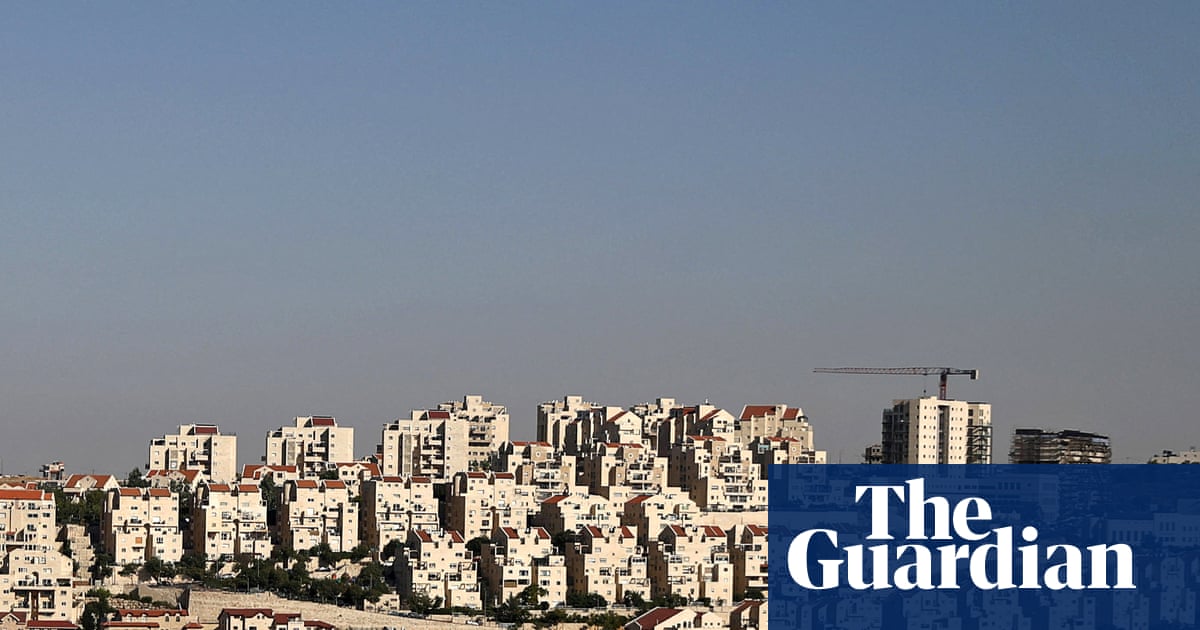
The United States announced that it will begin offering passport services inside a settlement in the West Bank, a step that has never been taken before. The move places an American consular function directly in a community considered illegal under international law by most of the world. Officials say the decision is meant to help U.S. citizens living there, but critics argue it could shift the diplomatic balance in a volatile region.
The West Bank has been under Israeli military control since 1967, and its Jewish settlements are viewed by the United Nations and the European Union as violations of the Fourth Geneva Convention. Over the decades, the United States has maintained a policy of providing consular services only in recognized Palestinian Authority areas, such as Ramallah and Jericho. American citizens residing in settlements have previously been required to travel to Israeli‑run facilities or to the U.S. Embassy in Jerusalem for passport renewals and other documentation.
In recent years, the number of U.S. citizens living in the settlements has grown, driven by a mix of business interests, family ties, and ideological motivations. The State Department estimates that several thousand Americans now call the settlements home, many of them holding dual Israeli‑American citizenship. Their presence has created a practical challenge for U.S. officials tasked with delivering routine consular assistance.
The announced passport office will operate out of a modest building in the settlement of Ma'ale Adumim, located east of Jerusalem. The facility will be staffed by a small team of American diplomats and local support personnel. Services will include passport renewals, new applications, and emergency travel documents. The office will not provide full embassy functions such as visa issuance or political reporting.
State Department spokespersons emphasized that the decision does not constitute a change in U.S. policy toward the status of the settlements. "We are simply extending a basic service to Americans who need it," one official said. "Our commitment to a two‑state solution and to international law remains unchanged."
International reaction
The move has drawn swift criticism from the European Union, the United Nations, and several Arab states. A senior EU diplomat called the decision "a provocative step that undermines decades of diplomatic effort to resolve the Israeli‑Palestinian conflict." The UN's Office of the High Commissioner for Human Rights warned that the action could be interpreted as tacit recognition of the settlements' legitimacy.
Israel welcomed the development, describing it as a practical solution for its citizens who also hold U.S. passports. The Israeli foreign ministry released a statement saying the arrangement would "facilitate normal life for families with dual nationality and strengthen the bond between Israel and the United States."
Palestinian officials, however, condemned the decision as an affront to Palestinian sovereignty. They announced plans to lodge a formal protest at the United Nations and to seek a resolution condemning the United States for breaching international norms.
Implications for the peace process
Analysts note that while the service is limited in scope, its symbolic weight could be significant. By placing an American consular presence inside a settlement, the United States may be perceived as normalizing the outpost, potentially emboldening settlement expansion.
"Consular services are not just bureaucratic functions; they are a sign of political acknowledgement," said a senior Middle East scholar at a Washington think‑tank. "Even a small office can send a message that the U.S. is comfortable with the status quo on the ground."
On the other hand, some policy experts argue that denying basic services to American citizens would be untenable and could create legal liabilities for the U.S. government. They suggest that the move could be a pragmatic compromise that avoids a larger diplomatic rupture with Israel while still allowing the United States to maintain its official stance on the settlements.
The passport office is slated to open within the next few weeks, pending security clearances and logistical arrangements. Observers will watch closely to see whether the United States expands the model to other settlements or reverts to the previous policy of directing citizens to Israeli facilities.
If the office proves popular among settlers, Washington may face pressure from both domestic constituencies and foreign partners to clarify its position. Congressional hearings could be called to examine whether the service aligns with U.S. law and foreign‑policy objectives.
Meanwhile, Palestinian leaders have pledged to increase diplomatic outreach to rally international opposition. They hope to frame the issue as part of a broader pattern of settlement growth that threatens the viability of a future Palestinian state.
The decision underscores the delicate balance the United States must strike between serving its citizens abroad and navigating a deeply contested geopolitical landscape. Whether the passport office becomes a footnote in diplomatic history or a catalyst for further debate remains to be seen.