U.S. designates Afghanistan as a sponsor of wrongful detention, accuses it of ’hostage diplomacy’
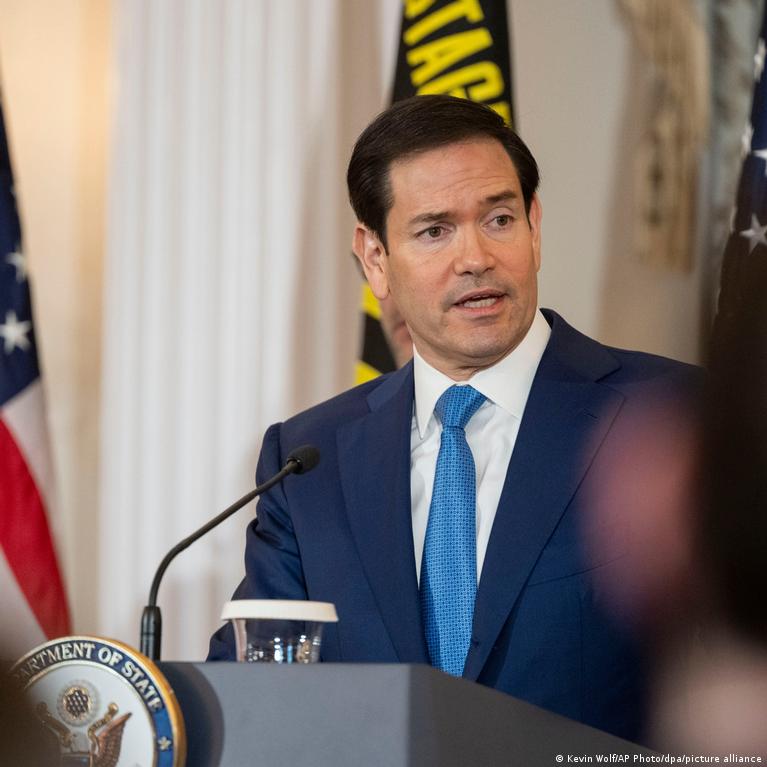
The United States has officially named Afghanistan as a sponsor of wrongful detention, accusing the Taliban‑run government of using imprisoned foreigners as bargaining chips. The move marks a sharp escalation in a dispute that began with the arrest of several dual‑national citizens in 2022.
Since the Taliban seized power in August 2021, the group has faced intense scrutiny over its treatment of foreign nationals and its adherence to international law. In early 2022, two American‑Afghan dual citizens were detained on charges of “spying” and “terrorism.” Their families and the U.S. government argued that the arrests were politically motivated, aimed at extracting concessions from Washington.
The case grew into a broader diplomatic standoff when the Taliban demanded the release of several of its own detainees held abroad, and the United States responded with sanctions and a freeze on certain aid programs. Over the next two years, a series of behind‑the‑scenes negotiations produced limited releases, but the underlying tension remained.
In a formal statement released this week, the State Department announced that Afghanistan now appears on a list of countries that sponsor wrongful detention. The designation is based on evidence that the Taliban government routinely detains foreign nationals without transparent legal processes and then leverages those cases to extract political or economic concessions.
The United States described the practice as “hostage diplomacy,” a term that underscores the belief that detainees are being used as leverage rather than treated as individuals subject to fair trial standards. The statement warned that the designation could trigger additional sanctions, including restrictions on financial transactions and travel bans for officials linked to the detention policy.
Implications for Afghan Citizens
The designation does not directly affect ordinary Afghan citizens living abroad, but it could have indirect consequences. U.S. aid to Afghanistan, which has already been reduced to humanitarian assistance, may face further cuts if the Treasury Department expands sanctions. Many NGOs rely on U.S. funding to deliver food, health care and education in the country; a reduction could strain already fragile services.
Travel is another area of concern. While the designation itself does not automatically bar Afghan passport holders from entering the United States, it could lead to heightened vetting for those who have traveled to or from Afghanistan in the past year. Consular officers have been instructed to review cases more closely, especially for individuals with ties to the Taliban or its security forces.
International Reaction
Allies of the United States have expressed support for the move, noting that the Taliban’s detention practices violate basic human rights. The European Union’s foreign policy chief called the designation “a necessary step to hold the Taliban accountable.” Canada’s foreign ministry issued a similar statement, emphasizing the need for transparent legal processes for all detainees.
Human‑rights groups, however, warned that the label alone will not improve conditions for those still behind bars. Amnesty International urged the U.S. to pair the designation with concrete diplomatic pressure aimed at securing the release of all remaining foreign prisoners.
The Taliban’s response was swift and defensive. In a televised address, the group’s foreign minister rejected the accusation, calling it “politically motivated propaganda.” He claimed that all detainees are held in accordance with Afghan law and that any release must be part of a broader negotiation framework.
Analysts say the United States now has several options. One path is to increase economic pressure through targeted sanctions on individuals and entities that facilitate the detention system. Another is to pursue multilateral action, working with the United Nations and regional partners to create a monitoring mechanism that tracks the status of foreign detainees.
A diplomatic route remains on the table as well. The U.S. could offer a limited easing of sanctions in exchange for verifiable releases of specific prisoners, a strategy that mirrors past negotiations but with clearer benchmarks.
Experts caution that any escalation could have unintended consequences. Further sanctions might push the Taliban closer to other regional powers, such as Pakistan or Iran, potentially reshaping the balance of influence in South Asia. Conversely, a well‑structured diplomatic deal could set a precedent for resolving similar cases worldwide.
What It Means for the Global Community
The designation signals a broader U.S. willingness to call out governments that use detention as a bargaining tool. It also highlights the challenges of engaging with regimes that lack internationally recognized legal frameworks. For countries that host Afghan refugees or maintain diplomatic ties with Kabul, the move may prompt a reassessment of their own policies.
Human‑rights advocates view the decision as a step toward greater accountability, but they stress that real progress will require sustained pressure and transparent negotiations. The coming weeks will reveal whether the United States can translate the label into tangible outcomes for the detainees still awaiting release.
The situation remains fluid. As the United States implements the designation, both governments are likely to test the limits of their diplomatic channels. Observers will be watching for any shift in Taliban behavior, whether through the release of remaining prisoners or through changes in how the regime handles future detentions.
For families of those still held, the designation offers a glimmer of hope that their cases will receive renewed attention. For the international community, it serves as a reminder that the use of individuals as political pawns continues to be a contentious and unresolved issue.
The coming months will determine whether the label becomes a catalyst for change or merely another line on a long list of diplomatic grievances.