Trumps Warning Keeps Iran On Edge As Dubai, Doha Report Explosions Again
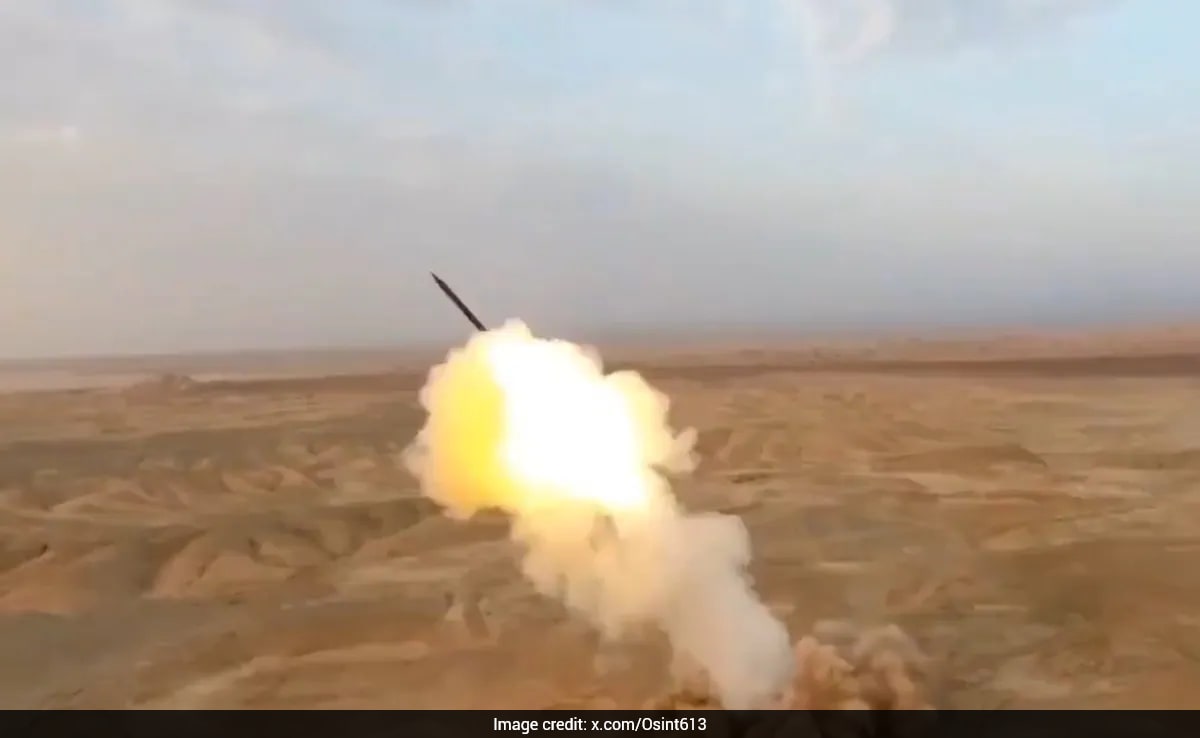
A series of explosions in two Gulf cities and a renewed warning from former U.S. President Donald Trump have heightened regional tensions and prompted a flurry of diplomatic activity.
Background to the unrest
The United Arab Emirates and Qatar have long been hubs for international trade, tourism, and finance. Both nations maintain close ties with the United States and have worked to position themselves as stable partners in a volatile part of the world. In recent months, however, the region has seen an increase in security alerts, ranging from cyber attacks on critical infrastructure to reports of unexplained blasts.
Iran, a regional power with a complicated relationship with its Gulf neighbours, has been under intense scrutiny after a series of incidents that Western officials have linked to its military programs. The Iranian government denies involvement in any attacks on civilian targets and says it is focused on defending its sovereignty.
Explosions reported in Dubai and Doha
On Monday, local authorities in Dubai confirmed that an explosion occurred near a commercial district in the early afternoon. Initial statements described a loud blast that caused minor structural damage to nearby buildings but no fatalities. Emergency services responded quickly, and the area was cleared within a few hours. The cause of the explosion remains under investigation, with officials ruling out a terrorist attack at this stage.
A few hours later, Doha’s police ministry issued a similar report. An explosion was heard in a residential neighbourhood on the city’s outskirts. Witnesses described a sudden flash followed by a loud noise, after which a small fire was extinguished by first responders. No injuries were reported, and the incident is being treated as an isolated event pending further forensic analysis.
Both governments have pledged full cooperation with international partners to determine whether the blasts were the result of accidental mishandling of hazardous material, a technical malfunction, or a deliberate act.
Trump’s renewed warning to Iran
In a televised interview that aired the same day, Donald Trump warned that Iran’s “aggressive behavior” could lead to “serious consequences” for the regime. He urged the Iranian leadership to abandon its nuclear ambitions and to cease any support for militant groups operating across the Middle East. The former president’s comments were echoed by several members of his political party, who called for a tougher stance on Tehran.
While Trump no longer holds official power, his statements often influence public discourse and can shape the narrative within certain political circles in the United States. Analysts note that his warning adds another layer of pressure on Iran, which is already navigating a complex diplomatic landscape involving negotiations over its nuclear program and sanctions relief.
International reactions
The United Nations quickly called for an independent investigation into the explosions in Dubai and Doha. A spokesperson for the UN Security Council emphasized that any act that threatens civilian safety must be examined thoroughly, regardless of the perpetrator.
The United Kingdom’s foreign office issued a brief advisory, reminding its citizens in the Gulf region to stay alert and follow local authorities’ instructions. The advisory also highlighted that the UK remains committed to supporting regional stability through diplomatic channels.
In Washington, the State Department released a statement expressing concern over the incidents and reaffirming its commitment to the security of its Gulf allies. The statement noted that the United States continues to monitor Iran’s activities closely and will respond to any actions that destabilize the region.
Why the events matter globally
The Gulf states sit at the crossroads of major oil shipping lanes and host a large proportion of the world’s energy trade. Any disruption, even a minor one, can ripple through global markets, affecting oil prices and supply chains. While the recent blasts caused limited physical damage, the perception of instability can influence investor confidence and commodity pricing.
Moreover, the combination of unexplained explosions and a high‑profile political warning creates a narrative that could be exploited by extremist groups seeking to amplify sectarian divides. Security experts warn that misinformation can spread quickly in the digital age, potentially inflaming public sentiment before the facts are verified.
Potential future impact
If investigations reveal that the explosions were linked to a state actor, diplomatic relations could shift dramatically. A direct accusation against Iran would likely trigger a series of retaliatory measures, including the possibility of renewed sanctions or increased military presence by allied forces in the region.
Conversely, if the blasts are determined to be accidental or the work of non‑state actors, the focus may turn to improving safety protocols for handling hazardous materials and enhancing emergency response coordination among Gulf nations.
Trump’s warning, while lacking official policy weight, may still influence future U.S. administrations. A more assertive approach toward Iran could emerge if the current administration decides to align with the former president’s hard‑line rhetoric, especially if regional incidents continue to surface.
The next few weeks will be critical for investigators, diplomats, and security agencies. Transparent reporting of findings from the Dubai and Doha incidents will help prevent speculation and reduce the risk of escalation. At the same time, diplomatic channels between Washington, Tehran, and Gulf partners will likely see intensified dialogue aimed at de‑escalating tensions.
For residents and travelers in the Gulf, the immediate advice remains practical: stay informed through official channels, heed any local safety directives, and avoid spreading unverified rumors.
The broader lesson underscores how quickly regional events can intersect with global politics. A single warning from a former world leader, paired with unexplained explosions, can shift the strategic calculus of nations and remind the international community of the fragile balance that underpins peace in the Middle East.