Trump and Xi discuss Iran in wide-ranging call as U.S. presses nations to break from Tehran
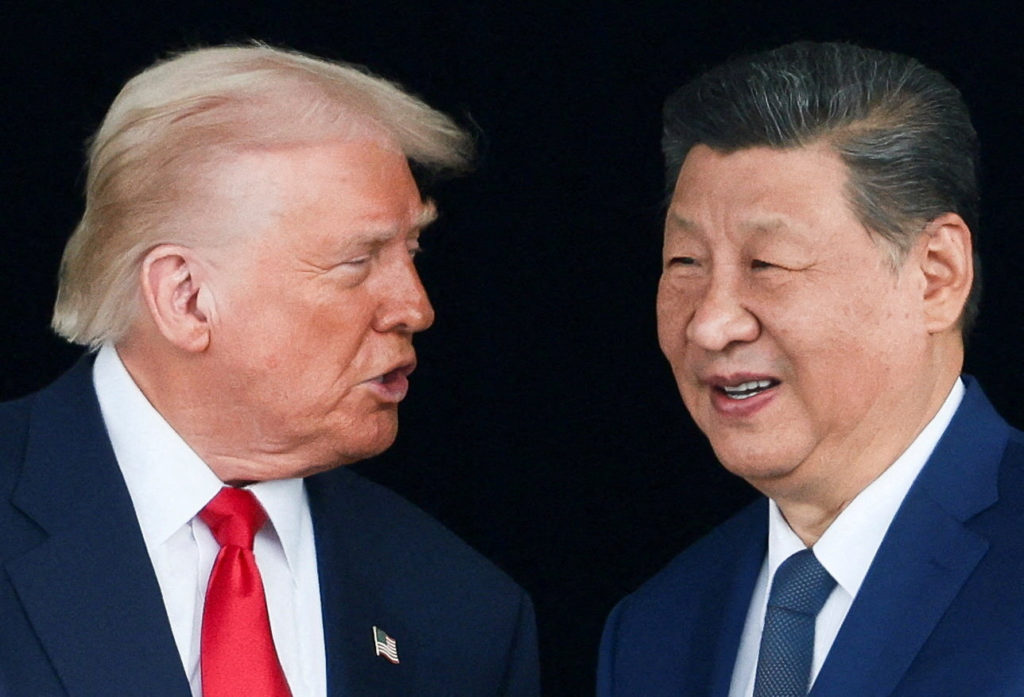
In a rare, wide‑ranging conversation, former U.S. President Donald Trump and Chinese President Xi Jinping exchanged views on Iran’s nuclear program and its impact on regional stability. The dialogue, conducted behind closed doors, marked a notable moment of direct engagement between two of the world’s most influential leaders on a topic that has long divided Washington and Beijing.
Background to the Conversation
Relations between the United States and China have been marked by competition, especially over trade, technology, and security issues. Yet both countries share a strategic interest in preventing a broader Middle‑East conflict that could disrupt global markets and supply chains. Iran, under heavy international scrutiny for its nuclear ambitions, sits at the intersection of these interests. The U.S. has maintained a hard‑line stance, re‑imposing sanctions after the 2018 withdrawal from the 2015 nuclear agreement. China, a key economic partner of Tehran, has repeatedly called for diplomatic solutions and warned against punitive measures that could destabilize the region.
During the discussion, Trump emphasized the importance of a “strong, enforceable deal” that would limit Iran’s ability to develop nuclear weapons. He reiterated the view that any agreement must include strict verification mechanisms and severe penalties for non‑compliance. Xi, on the other hand, stressed the need for a “balanced approach” that respects Iran’s sovereign right to peaceful nuclear energy while encouraging dialogue over confrontation.
Both leaders agreed that a multilateral framework—potentially involving the European Union, Russia, and the United Nations—could provide the necessary oversight to keep Iran’s nuclear activities transparent. They also touched on secondary issues such as Iran’s ballistic missile program, its support for proxy groups in Iraq and Syria, and the broader question of regional security architecture.
Implications for the Nuclear Deal
The conversation could influence the stalled negotiations surrounding the Joint Comprehensive Plan of Action (JCPOA). While the United States has signaled a willingness to return to the table under certain conditions, Beijing’s role as a potential mediator has grown in recent years. If China leverages its economic ties with Tehran to encourage compliance, Washington may find a pathway to re‑engage without conceding on its core demands.
Analysts note that any progress will depend on Tehran’s willingness to accept rigorous inspections and limit its uranium enrichment levels. The United States, meanwhile, is likely to maintain its demand for a clear timeline for sanctions relief, tying any benefits to verifiable steps taken by Iran.
Middle‑East governments have reacted cautiously to the news of the Trump‑Xi dialogue. Saudi Arabia and Israel, both vocal opponents of Iran’s nuclear aspirations, welcomed the prospect of a coordinated U.S.–China effort to curb Tehran’s capabilities. They expressed hope that stronger diplomatic pressure could prevent a nuclear breakout and reduce the risk of proxy conflicts.
Conversely, Iranian officials dismissed the conversation as “interference” and reiterated their commitment to a sovereign nuclear program. Tehran’s foreign ministry warned that external pressure would not alter its strategic calculations and called for the removal of all sanctions as a precondition for meaningful talks.
While no concrete agreements emerged from the meeting, both leaders indicated a willingness to explore further diplomatic channels. Trump suggested that his administration could work with Chinese officials to draft a joint statement outlining shared objectives for Iran. Xi hinted that Beijing might convene a summit of major powers to discuss a renewed framework for the nuclear issue.
In addition to the nuclear question, the leaders touched on broader topics such as trade imbalances, technology transfer, and climate cooperation. These ancillary discussions could lay the groundwork for a more stable U.S.–China relationship, which in turn would affect how each country approaches Iran.
The Trump‑Xi dialogue on Iran represents a subtle shift in how two global powers address a contentious Middle‑East challenge. By finding common ground on the need for a verifiable, enforceable nuclear agreement, both leaders have opened a channel that could lead to renewed multilateral negotiations. The outcome remains uncertain, but the conversation underscores the interconnected nature of modern geopolitics: actions in Tehran reverberate through Washington, Beijing, and beyond. As the world watches, the next moves by the United States, China, and Iran will shape the trajectory of regional security and the future of the nuclear non‑proliferation regime.