US tariffs on India cut to 18%; $30 trillion market access – India-US trade deal explained in 10 points
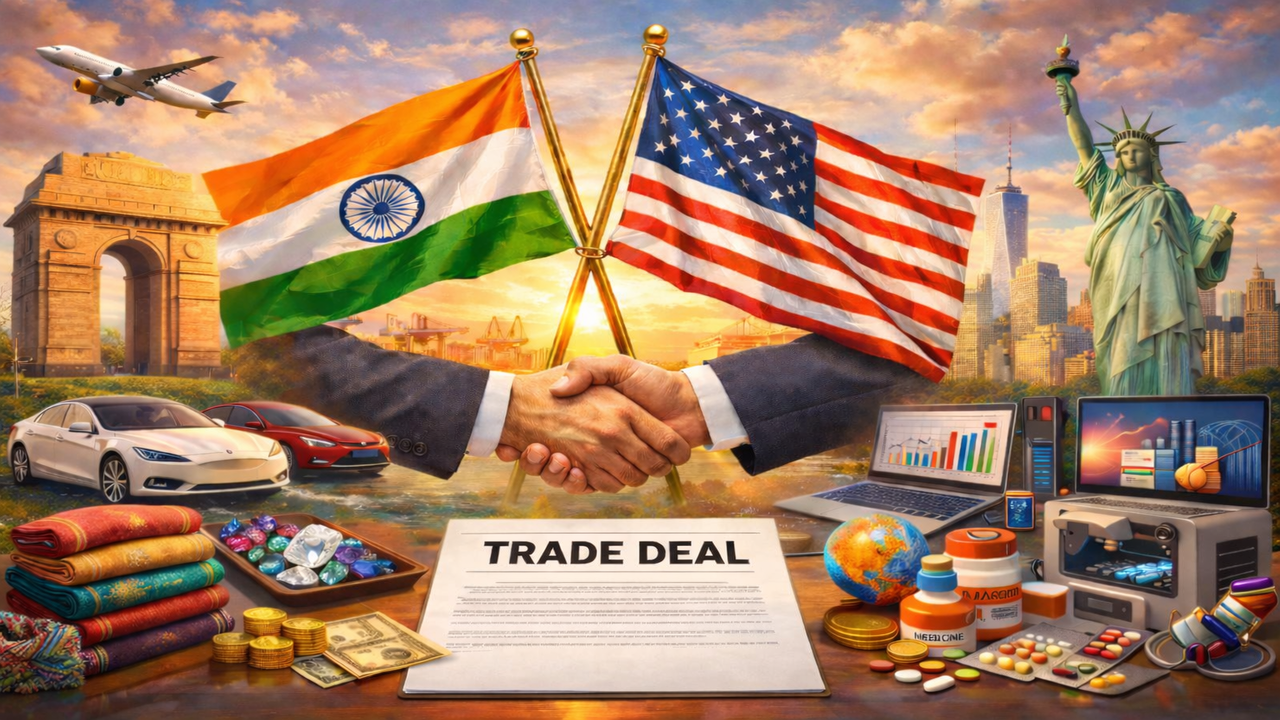
President Donald Trump signed an executive order that eliminates the 25% penalty tariff imposed on India for its purchases of Russian crude oil. The decision, announced by the White House, signals a notable shift in U.S. policy toward both Moscow and New Delhi and could affect diplomatic relations, energy prices and the broader sanctions framework aimed at Russia.
Background of the tariff In early 2022, the United States introduced a series of secondary sanctions targeting countries that bought Russian oil after the invasion of Ukraine. Among these measures was a 25% penalty tariff on Indian imports of Russian crude, intended to discourage India from deepening its energy ties with Moscow. At the time, the tariff was justified as a way to pressure Russia financially while limiting the ability of third‑party nations to circumvent primary sanctions.
India, which relies heavily on imported oil to meet its growing demand, responded by increasing its purchases of Russian fuel, attracted by lower prices and reliable supply. The tariff raised the effective cost of Russian oil for Indian refiners, prompting concerns in New Delhi about the impact on domestic fuel prices and the broader economy.
The executive order The newly signed order removes the 25% surcharge, restoring the pre‑tariff duty rate on Russian oil imports to India. The White House statement said the change reflects “the United States' commitment to a stable, rules‑based global energy market” and underscores a desire to strengthen strategic cooperation with India. The order also calls for a review of other secondary sanctions to ensure they align with U.S. foreign‑policy objectives.
Implications for U.S.–India relations By lifting the tariff, the administration aims to deepen the partnership that has grown over the past decade. Trade officials in Washington have highlighted India’s role as a key counterbalance to China in the Indo‑Pacific region. Removing the penalty is expected to boost goodwill, potentially paving the way for expanded collaboration in defense, technology and climate initiatives.
Indian officials welcomed the move, describing it as a “positive step toward mutual respect and shared prosperity.” Analysts note that the gesture could encourage India to align more closely with U.S. positions on issues such as maritime security and supply‑chain resilience, while still allowing New Delhi to maintain a pragmatic relationship with Russia.
Effect on global oil markets The tariff removal may also influence crude price dynamics. With the penalty gone, Indian refiners are likely to increase purchases of Russian oil, which could tighten the supply gap left by reduced European demand. Some market observers predict a modest upward pressure on Brent and WTI prices, especially if other major buyers follow India’s lead.
However, the impact is expected to be limited in the short term. Global oil markets remain sensitive to geopolitical developments, including the ongoing conflict in Ukraine and the pace of sanctions enforcement. The order does not alter the primary sanctions that still restrict direct U.S. transactions with Russian energy firms, so the overall flow of Russian oil to the world will continue to be shaped by a complex web of restrictions and exemptions.
Potential challenges ahead Critics of the decision argue that easing secondary sanctions could undermine the broader strategy of isolating Russia economically. They warn that a more permissive stance may embolden other countries to purchase Russian oil without facing significant penalties, weakening the pressure on Moscow to end its military actions.
Human rights groups also raised concerns that increased Russian revenue could fund the war effort, despite the tariff’s removal being limited to India. The administration has responded by emphasizing that the primary sanctions remain in place and that the executive order includes a clause for periodic review to assess any unintended consequences.
What comes next The White House indicated that the review of secondary sanctions will be ongoing, with input from the Treasury, State Department and key congressional committees. Future adjustments could target other sectors or countries, depending on how the geopolitical landscape evolves.
For India, the policy shift offers an opportunity to secure cheaper energy while strengthening ties with a major global power. The country is expected to negotiate longer‑term contracts with Russian suppliers, potentially locking in favorable pricing for the next few years.
Internationally, the move adds another layer of complexity to the sanctions regime that has been in place since 2022. Allies such as the European Union and the United Kingdom have signaled that they will continue to enforce their own penalties, creating a fragmented approach that may affect the effectiveness of collective pressure on Russia.
Overall, the executive order reflects a balancing act: the United States seeks to maintain pressure on Russia while expanding strategic partnerships that counter other regional rivals. How this balance plays out in the months ahead will depend on diplomatic negotiations, market responses and the evolving security situation in Eastern Europe.