Trump administration launches Section 301 trade probe on 16 countries, including India
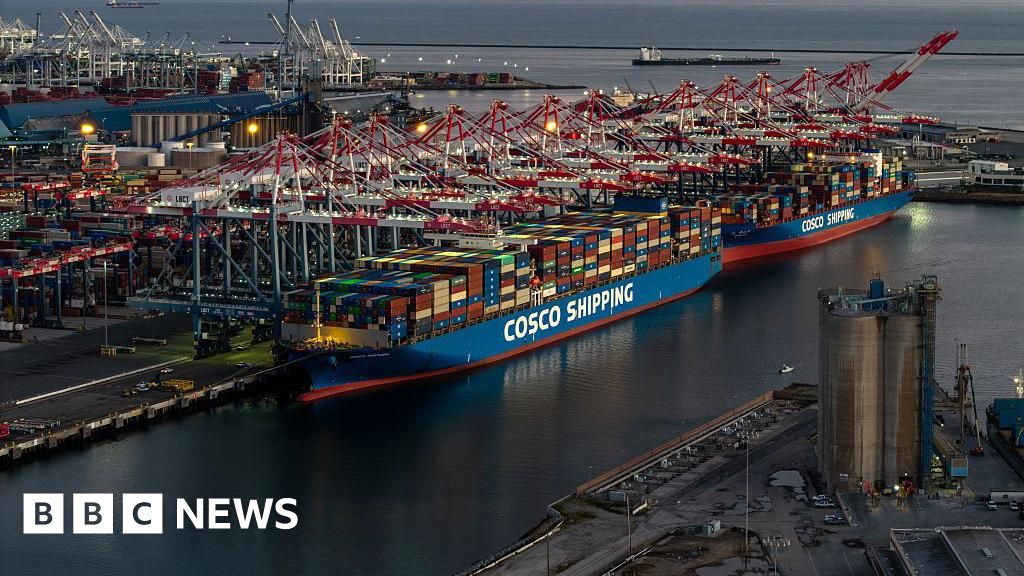
The United States has announced a formal Section 301 investigation covering sixteen foreign markets, a move that could reshape trade flows and raise the risk of new tariffs.
Section 301 of the Trade Act of 1974 gives the U.S. Trade Representative (USTR) authority to examine foreign trade practices that are deemed unfair or discriminatory toward American interests. When the USTR finds a violation, it can recommend remedial actions, ranging from negotiations to the imposition of duties. The tool was most visible during the early 2000s when it was used to address intellectual‑property concerns with China, and it re‑emerged as a centerpiece of the Trump administration’s trade strategy.
The countries now under review
The list includes major economies and emerging markets: India, Brazil, Mexico, South Korea, Japan, Canada, Australia, the United Arab Emirates, Saudi Arabia, Qatar, Oman, Israel, the Philippines, Thailand, Vietnam, and Malaysia. Each nation was selected after a preliminary review of trade barriers, market access restrictions, and regulatory practices that the USTR believes disadvantage U.S. exporters.
Why the probe matters now
The investigation follows a series of high‑profile disputes, such as the long‑running tariff battles with China and the renegotiated North American trade agreement. Officials say the USTR’s goal is to ensure a level playing field for American manufacturers, farmers, and technology firms. By targeting a broad group of partners, the administration signals that trade fairness is a priority across all regions, not just in a single rivalry.
For businesses, the announcement creates uncertainty. Companies that rely on imported components from the listed countries may face higher costs if duties are later applied. Conversely, exporters in sectors such as aerospace, automotive parts, and agricultural products could benefit from reduced barriers if the probe leads to concessions from the foreign governments.
Potential impact on India
India stands out as the most populous nation on the list and a key supplier of pharmaceuticals, textiles, and information‑technology services. Analysts note that any tariff increase could affect the cost of generic medicines in the United States, a market where Indian firms hold a significant share. At the same time, Indian exporters of agricultural goods, such as rice and spices, could see new opportunities if the United States seeks to open its own markets in return for concessions.
Both governments have expressed a willingness to discuss the issues privately, but the public nature of the probe adds pressure to reach a quick resolution. Trade officials in New Delhi have warned that punitive measures could harm small‑ and medium‑sized enterprises that depend on U.S. buyers.
The Section 301 process typically follows three stages: a factual investigation, a public report outlining findings, and a period for negotiations. If the parties cannot agree on corrective steps, the USTR may recommend the President impose countervailing duties or other trade remedies.
In past cases, the United States has used the threat of tariffs to extract concessions on intellectual‑property protection, market‑access commitments, and regulatory transparency. The current probe could follow a similar pattern, focusing on non‑tariff barriers such as licensing requirements, standards certification, and local content rules.
Should duties be levied, they would likely be targeted rather than sweeping, aiming at specific product categories where the USTR identifies the greatest disparity. This approach helps limit collateral damage to unrelated sectors and keeps the overall trade relationship intact.
International reaction
Allied nations have watched the development closely. Some have voiced concern that a broad Section 301 sweep could undermine the multilateral trading system overseen by the World Trade Organization (WTO). Others see the move as a reminder that bilateral negotiations remain a powerful tool for addressing trade grievances.
European officials have urged the United States to use existing dispute‑resolution mechanisms rather than unilateral actions. Meanwhile, trade groups in the United States have welcomed the investigation, arguing that it puts pressure on foreign governments to remove obstacles that hurt American jobs.
The USTR is expected to release a detailed report within the next few months, outlining the specific practices under scrutiny for each country. After the report, a 30‑day notice period will allow the foreign governments to respond and propose corrective measures.
If negotiations succeed, the United States could announce tariff reductions or other trade incentives as part of a reciprocal agreement. If talks stall, the administration may move forward with duty proposals, which would then require presidential approval before taking effect.
The Section 301 investigation signals a renewed willingness by the United States to use trade policy as a lever for securing market access and protecting domestic industries. While the immediate effect is heightened uncertainty for businesses that operate across the listed economies, the longer‑term outcome will depend on how quickly the parties can reach mutually acceptable solutions. Stakeholders in both the United States and the targeted nations are now watching the next steps closely, aware that any shift in tariff policy could ripple through global supply chains and consumer prices.