Trade deal: Trump may cut tariffs on textiles to zero. But there's a catch
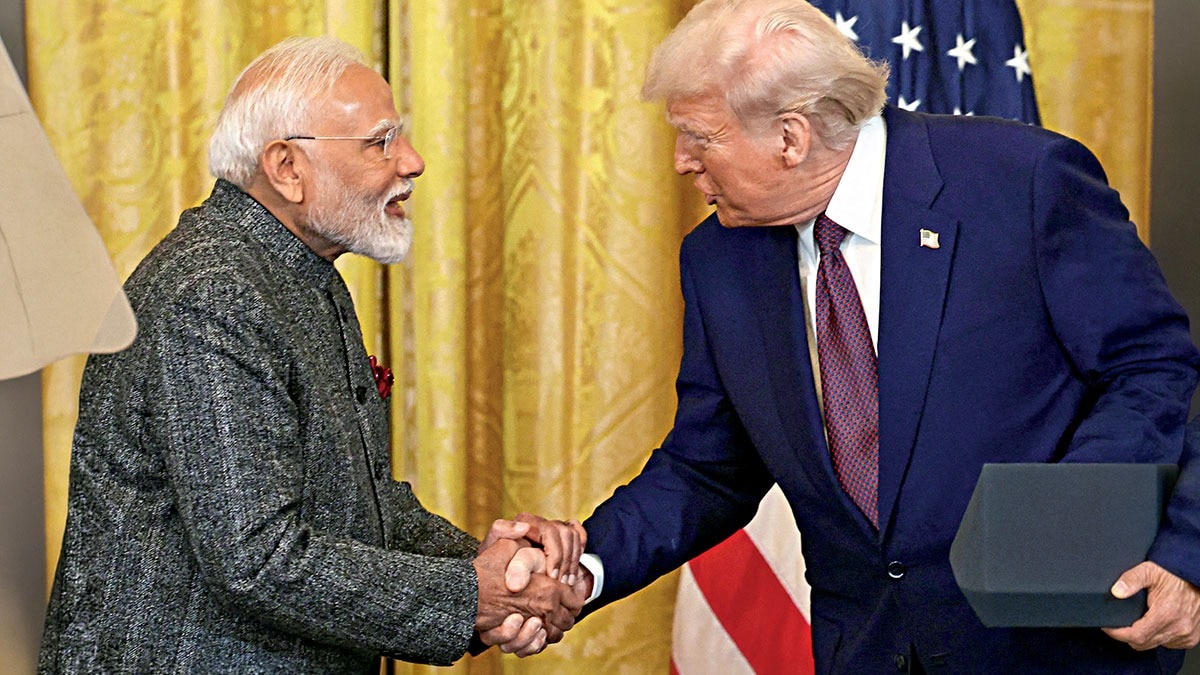
The White House is signaling a major shift in U.S. trade policy: a proposal to drop all tariffs on imported textiles. The move, announced by senior officials, would bring the duty rate down to zero, a level not seen since the early 1990s. While the headline sounds like a win for consumers and retailers, officials say the deal comes with a set of conditions that could limit its immediate effect.
Background on the current tariff regime
Since the early 2000s, the United States has levied an average tariff of 12 percent on clothing, fabrics, and related goods. The rates were intended to protect domestic manufacturers and to encourage foreign producers to meet American labor and environmental standards. Over time, the tariffs have become a point of friction with major trading partners, especially China, Bangladesh, and Vietnam, whose textile exports rely heavily on the U.S. market. Critics argue that the duties have raised prices for shoppers and forced retailers to source from higher‑cost suppliers.
Under the new plan, the tariff schedule would be reset to zero across all categories of textiles, including apparel, home furnishings, and industrial fabrics. The administration says the reduction would make American stores more competitive, lower prices for consumers, and help the U.S. regain market share lost to Europe and Asia. The proposal is being drafted as an amendment to the existing Trade Promotion Authority, which would allow the president to negotiate the terms with Congress’s approval.
The catch: compliance and labor standards
The headline‑grabbing zero‑tariff promise is paired with a compliance clause that requires exporters to certify that their factories meet a set of labor and environmental benchmarks. The standards, modeled after the International Labour Organization’s core conventions, cover wages, working hours, child labor, and hazardous waste disposal. Companies that fail to provide the certification would face a reinstated tariff of up to 15 percent on a per‑shipment basis.
The clause is designed to address long‑standing concerns that low‑cost textile production often comes at the expense of workers’ rights. However, industry groups warn that the certification process could be costly and time‑consuming, especially for smaller manufacturers in developing economies. They argue that the added paperwork could delay shipments and negate the price advantage that lower tariffs are meant to create.
Trading partners have responded with cautious optimism. Officials from the European Union praised the move as a step toward a more open market, but they asked for clarity on the enforcement timeline. Asian exporters expressed mixed feelings: while a tariff‑free pathway is attractive, the new compliance requirements could create a barrier for factories that lack robust auditing systems.
In Bangladesh, the government’s trade ministry highlighted the potential for increased export volumes, noting that the country already supplies over 30 percent of the U.S. apparel market. Yet they also emphasized the need for technical assistance to help local factories meet the certification standards without inflating production costs.
Potential impact on U.S. industry
Domestic textile producers have long warned that a sudden removal of tariffs could threaten their viability. The American Apparel & Footwear Association released a statement saying that while lower consumer prices are welcome, the industry needs a phased approach that includes support for re‑skilling workers and investment in advanced manufacturing.
Economists suggest that the net effect will depend on how quickly foreign suppliers can adapt to the new rules. If compliance is achieved smoothly, the United States could see a surge in imported clothing, driving down retail prices and expanding choice for shoppers. Conversely, if certification proves burdensome, many exporters may opt to redirect shipments to markets with fewer restrictions, leaving the U.S. market relatively unchanged.
The proposal is expected to be debated in the House Ways and Means Committee later this month. Lawmakers from both parties have signaled interest in the consumer‑friendly aspect of the plan, but they also want safeguards for American workers. A bipartisan amendment is already being drafted to allocate funds for a joint U.S.–partner program that would help factories upgrade labor practices and environmental controls.
If the legislation passes, the tariff reset could take effect within the next fiscal year, giving exporters a limited window to submit the required certifications. Industry observers will be watching the rollout closely, as the success or failure of the compliance model could set a precedent for future trade agreements in other sectors, such as electronics and automotive parts.
In the meantime, retailers are preparing for the possibility of lower wholesale costs. Major chains have begun adjusting their buying strategies, exploring new sourcing options in countries that are already aligned with the proposed standards. For consumers, the most visible outcome could be modest price drops on everyday items like t‑shirts, jeans, and bedding.
The proposal illustrates a broader shift in U.S. trade policy: a willingness to lower barriers while attempting to embed social and environmental expectations into the fabric of international commerce. Whether the balance struck satisfies both domestic producers and global partners will become clearer as the legislative process unfolds and the compliance framework is tested on the ground.