The Hormuz Threat: Iran's Most Powerful Card Against The US
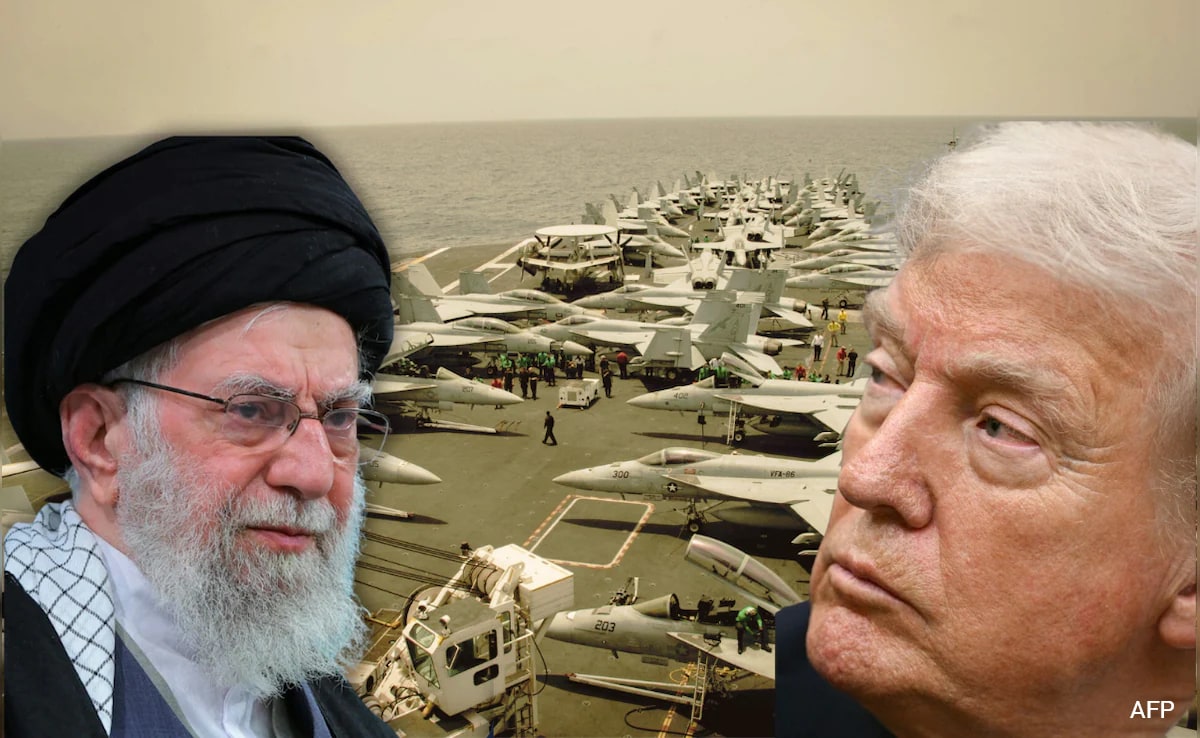
Iran’s ability to influence traffic through the Strait of Hormuz has resurfaced as a central point of tension with the United States. The narrow waterway, a vital artery for the world’s oil supply, now sits at the heart of a geopolitical showdown that could affect markets, security calculations, and diplomatic efforts worldwide.
Strategic importance of the Strait The Hormuz Strait links the Persian Gulf with the Gulf of Oman and the open ocean. Roughly one‑fifth of global petroleum passes through its 21‑mile width each day, making it one of the most heavily trafficked maritime chokepoints. Any disruption—whether caused by mines, missile fire, or a sudden closure—would ripple through energy markets and could trigger price spikes in gasoline and jet fuel. For countries that depend on Gulf oil, the strait is a lifeline; for the United States, it is a strategic vulnerability that shapes naval deployments and foreign policy.
Iran’s recent moves In recent weeks Tehran has intensified drills near the strait, deploying fast attack craft, coastal missile batteries, and submarines capable of threatening commercial vessels. Iranian officials have repeatedly warned that any perceived aggression by the United States could be met with “proportionate” action, a phrase that signals readiness to target shipping. While no direct attacks have occurred, the heightened presence of Iranian forces signals a shift from passive deterrence to an active, visible posture.
The rhetoric has been matched by tangible steps. Iran has upgraded its anti‑ship missile inventory, including the Noor and Qader systems, which can strike targets up to 200 kilometers away. Satellite imagery shows new launch platforms being constructed along the Iranian coastline, and naval exercises have simulated attacks on mock merchant ships. These developments suggest Tehran is preparing to make the threat of closure a credible option, rather than a mere political slogan.
US response and naval posture Washington has answered with a combination of diplomatic warnings and a visible increase in naval assets. The U.S. Fifth Fleet, based in Bahrain, now operates additional destroyers, cruisers, and a carrier strike group in the region. Joint patrols with allied navies—most notably the United Kingdom and France—have been announced to demonstrate collective resolve and to reassure commercial operators that the waterway remains safe.
U.S. officials have emphasized that any Iranian attempt to block shipping would be met with a “swift and decisive” response, potentially involving kinetic action against missile sites and naval facilities. However, the United States also faces the challenge of avoiding escalation that could spiral into a broader conflict. Balancing deterrence with restraint has become a central theme in Pentagon briefings.
Global market implications Even the hint of a Hormuz disruption has already influenced commodity markets. Brent crude prices rose sharply after the first set of Iranian drills were reported, reflecting investor anxiety over supply security. Shipping companies have begun rerouting vessels around the Cape of Good Hope, a longer and more expensive journey that adds days to delivery times and raises fuel costs.
For oil‑producing nations outside the Gulf, the situation presents both risk and opportunity. Countries such as Saudi Arabia and Russia have seen their export volumes rise as buyers seek alternatives to potentially threatened Persian‑Gulf supplies. Conversely, nations heavily reliant on Gulf oil—particularly in Asia—are scrambling to diversify sources and increase strategic reserves.
Diplomatic avenues and future scenarios Behind the military posturing, diplomatic channels remain active. European and Asian powers have called for a de‑escalation framework that would involve confidence‑building measures, such as prior notification of naval exercises and the establishment of a maritime hotline between Tehran and Washington.
Three plausible paths lie ahead: 1. Negotiated restraint – Continued dialogue leads to an informal agreement limiting naval activity near the strait, preserving commercial flow while allowing both sides to save face. 2. Limited confrontation – A miscalculation triggers a brief skirmish, prompting a rapid diplomatic scramble to prevent a wider war. 3. Strategic stalemate – Both sides maintain a high‑alert posture indefinitely, with the threat of closure serving as a constant lever in regional politics.
The outcome will hinge on how each side weighs the costs of escalation against the strategic benefits of control. Iran sees the strait as a bargaining chip that can extract concessions on sanctions or regional issues, while the United States views unrestricted passage as essential to global energy stability and to its credibility with allies.
What lies ahead In the coming months, analysts expect a pattern of “show‑of‑force” exercises on both sides, punctuated by diplomatic overtures aimed at preventing accidental clashes. The international community will watch closely for any sign that Tehran moves from threat to action, as even a short‑lived interruption could have lasting economic repercussions.
For businesses, investors, and policymakers, the key takeaway is that the Hormuz Strait remains a flashpoint where regional ambitions intersect with global interests. Monitoring naval deployments, diplomatic statements, and market signals will be essential to gauge whether the waterway stays open or becomes a contested battleground.
The situation underscores a broader reality: in a world where energy flows are tightly linked to security, a single geographic chokepoint can become a powerful card in the hands of a state seeking leverage. How that card is played—and how other players respond—will shape the strategic landscape for years to come.