Telangana Municipal Elections 2026 Voting Live Updates: 15% voter turnout recorded in first 2 hours of polling
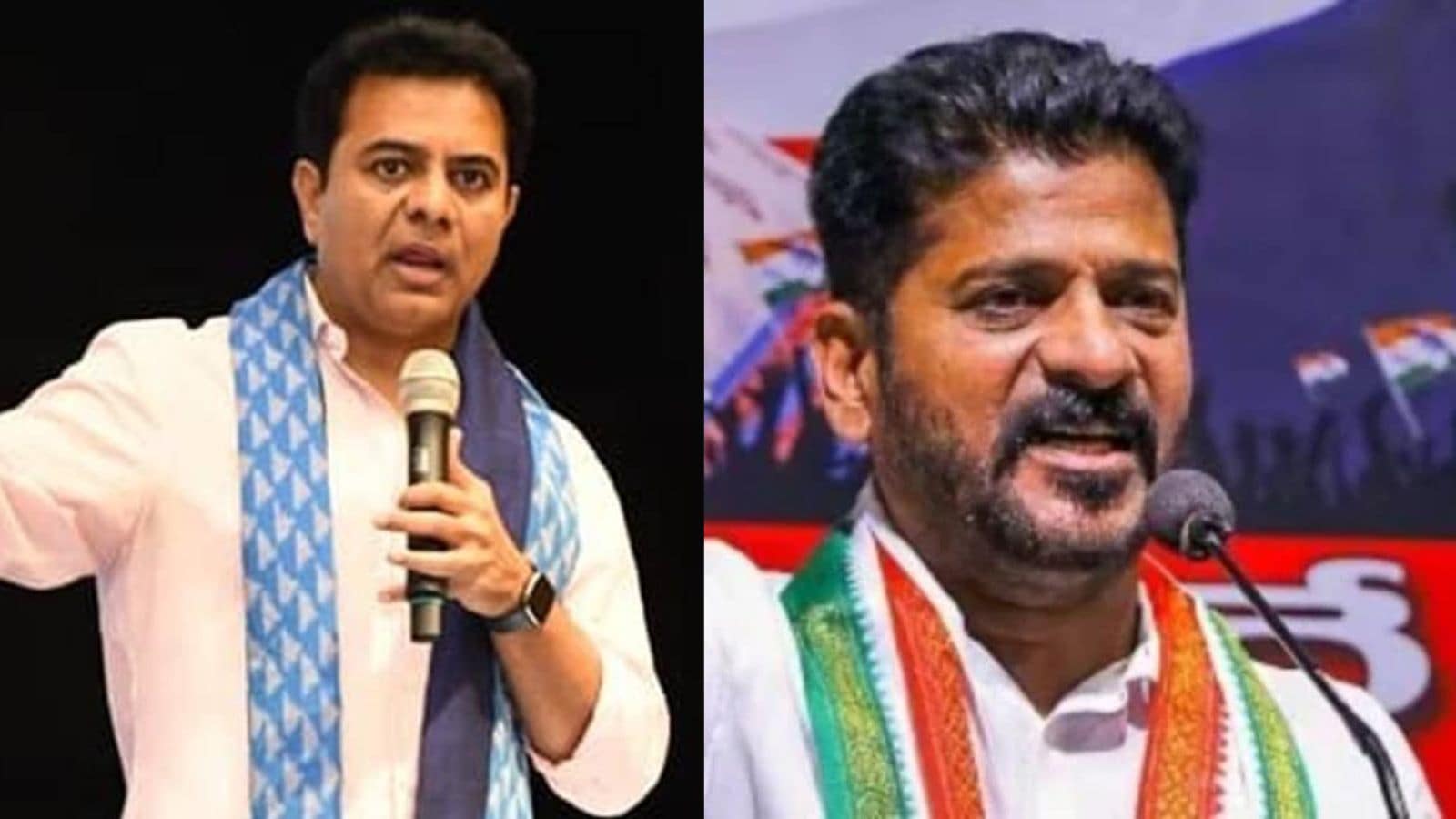
Violent confrontations erupted in multiple districts of Telangana as the state held its municipal elections, turning what should have been a routine civic exercise into a series of tense flashpoints. Residents reported stone‑throwing, arson and clashes between rival party supporters, while police deployed additional forces to restore order. The unrest has drawn attention to the fragility of local democracy in a region where political competition is intense.
Background to the Municipal Elections Telangana’s municipal polls are a key step in the five‑year cycle of local governance. Voters choose representatives for city councils, town panchayats and urban development bodies that manage everything from water supply to waste collection. The elections are seen as a barometer for the performance of the state government and the opposition, especially ahead of the upcoming state assembly elections. Major parties, including the ruling Telangana Rashtra Samithi (TRS), the Indian National Congress, the Bharatiya Janata Party (BJP) and regional outfits such as the All India Majlis-e-Ittehadul Muslimeen (AIMIM), have been campaigning vigorously for control of urban wards.
The political climate has been charged for months. Issues such as water scarcity, unemployment and infrastructure gaps have driven parties to promise aggressive development plans. At the same time, accusations of vote‑buying, patronage and communal rhetoric have heightened tensions among supporters. Historically, municipal elections in the state have seen isolated incidents of violence, but the current wave appears broader in scope.
Incidents of Violence Across Districts Reports emerged from at least six districts, including Hyderabad, Karimnagar, Warangal, Nizamabad, Mahbubnagar and Khammam. In Hyderabad’s old city, a clash between TRS and AIMIM supporters turned violent after a rally turned into a stone‑throwing melee. Several shops were set ablaze, and local residents fled the area as police sirens wailed.
In Karimnagar, a confrontation erupted outside a polling station when a group of Congress volunteers attempted to prevent rival BJP workers from entering the venue. The scuffle resulted in minor injuries to three individuals and a temporary shutdown of the polling booth. Warangal saw a similar scenario when supporters of two local parties engaged in a heated argument that escalated into a physical fight, prompting the deployment of a rapid response team.
Nizamabad’s incident involved a group of youths who set fire to a campaign banner belonging to an opposition candidate, sparking a retaliatory attack that damaged nearby property. Mahbubnagar reported a case where a vehicle used by election officials was vandalized, forcing officials to postpone voting in that ward for several hours. In Khammam, police intercepted a crowd of about 150 people attempting to block entry to a polling station, resulting in the use of tear‑gas to disperse the gathering.
Across these districts, the common thread was a mixture of political rivalry, local grievances and, in some cases, allegations of electoral malpractice. While no fatalities were reported, dozens of people sustained injuries ranging from bruises to more serious wounds requiring medical attention.
Authorities' Response State police and the Election Commission of India (ECI) moved quickly to contain the disturbances. Additional paramilitary units were dispatched to hotspots, and curfew orders were issued in select neighborhoods for a limited period. The ECI announced that voting would continue in all affected areas after a brief pause, emphasizing its commitment to a free and fair process.
Police officials stated that they had arrested several individuals suspected of instigating the violence, and they are conducting investigations into the alleged use of prohibited items such as fire‑crackers and knives. The district magistrates also ordered a review of security arrangements for the remaining polling stations, recommending the installation of temporary barricades and increased surveillance.
Election officials released a statement urging voters to remain calm, respect the law and exercise their franchise without fear. They highlighted that any attempt to disrupt the voting process would be met with strict legal action, reinforcing the principle that democratic rights cannot be overridden by intimidation.
Implications for Democracy The spate of clashes raises broader concerns about the health of democratic practices in India’s second‑largest state. Municipal elections, though local in scope, serve as a microcosm of larger electoral dynamics. When violence mars these contests, it can erode public confidence in the system, discourage voter participation and provide a narrative that undermines the legitimacy of elected bodies.
International observers note that election‑related violence can affect a country’s reputation for stable governance. Investors and development partners often monitor the integrity of democratic processes as a risk indicator. Persistent unrest may therefore have indirect economic consequences, especially for a state that has positioned itself as a hub for technology and manufacturing.
Moreover, the incidents underscore the challenge of managing communal and partisan tensions in densely populated urban centers. The involvement of multiple parties suggests that the problem is not confined to a single political faction but reflects a deeper competition for influence over municipal resources and patronage networks.
Looking Ahead The immediate focus now shifts to ensuring a peaceful completion of the remaining polling phases and addressing the grievances that sparked the unrest. Security experts recommend a multi‑layered approach: strengthening on‑ground policing, enhancing community outreach programs and deploying transparent monitoring mechanisms such as live video feeds at polling stations.
Political parties have called for calm, but they also face pressure from their grassroots workers to maintain momentum. How they balance these demands will shape the narrative in the weeks leading up to the state assembly elections. A measured response that emphasizes dialogue over confrontation could help restore public trust.
Civil society groups are urging the Election Commission to conduct a post‑poll review, documenting the causes of the clashes and recommending reforms. Potential measures include stricter enforcement of the Model Code of Conduct, clearer guidelines on campaign financing and more robust voter education campaigns that stress the importance of peaceful participation.
In the longer term, the incidents may prompt a re‑examination of how municipal boundaries and ward allocations are drawn, as disputes over resource distribution often fuel local rivalries. Transparent delimitation processes, coupled with independent oversight, could mitigate some of the underlying tensions.
For now, the priority remains safeguarding the remaining voters and ensuring that the final results reflect the will of the people rather than the influence of intimidation. The outcome of Telangana’s municipal polls will not only determine the composition of local bodies but also send a signal about the resilience of democratic institutions in the face of conflict.
As the state moves toward the conclusion of its municipal elections, observers will watch closely to see whether the measures taken today can prevent a recurrence of violence in future electoral cycles, both within Telangana and across the broader Indian democratic landscape.