Tamil Nadu Assembly election: DMDK joins DMK
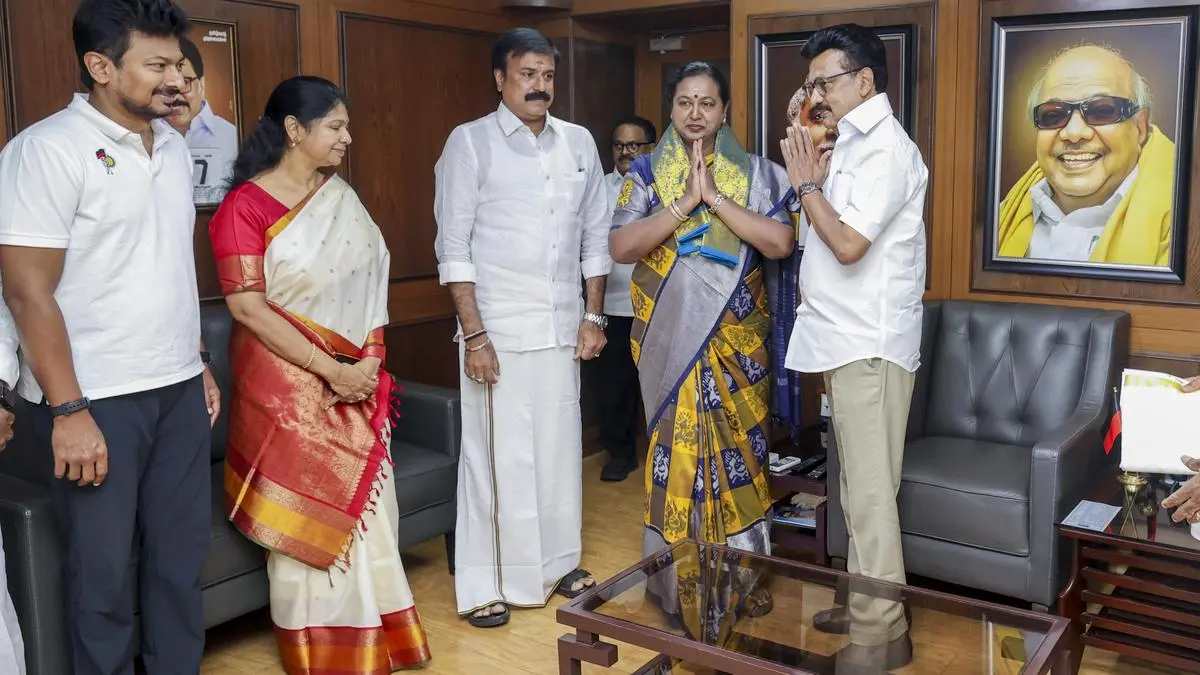
The decision of the Desiya Murpokku Dravida Kazhagam (DMDK) to partner with the Dravida Munnetra Kazhagam (DMK) has added a new dimension to the upcoming Tamil Nadu assembly election. The alliance, announced this week, brings together two parties with distinct voter bases and could tilt the balance of power in the southern state.
Background of the Parties
The DMK, a long‑standing force in Tamil Nadu politics, has governed the state several times since its formation in the 1940s. It is known for its emphasis on social welfare, language pride, and regional autonomy. The DMDK, founded in 2005 by former film star Vijayakanth, quickly grew into a third‑largest party, appealing to voters disenchanted with the traditional Dravidian duopoly of the DMK and its rival, the All India Anna Dravida Munnetra Kazhagam (AIADMK). Although the DMDK secured a strong showing in the 2011 election, its influence waned in subsequent polls, leading to a series of setbacks and internal rifts.
The Alliance Announcement
In a joint press conference, leaders of both parties highlighted shared goals such as job creation, infrastructure development, and anti‑corruption measures. The DMK chief described the partnership as a "strategic move to consolidate progressive forces," while the DMDK head emphasized the need to give voters a clear alternative to the incumbent AIAI (All India Anna Dravida Munnetra Kazhagam) government. The agreement includes seat‑sharing arrangements, with the DMDK contesting in constituencies where it previously held a strong local presence. Both parties pledged to respect each other's organizational structures and to campaign on a unified platform.
Implications for the Election
Analysts say the alliance could reshape vote patterns in several ways. First, the DMDK’s support base—primarily in the northern districts of Tamil Nadu—may now flow to the DMK, strengthening the latter’s position in tightly contested seats. Second, the partnership may attract undecided voters who view the coalition as a credible third option, especially after years of polarized contests between the DMK and AIADMK. Third, the seat‑sharing formula reduces the risk of vote splitting, a factor that previously allowed the AIADMK to win with pluralities.
Local political observers note that the DMK’s decision to bring the DMDK on board reflects a pragmatic shift. Rather than relying solely on its traditional caste and community networks, the DMK appears to be broadening its appeal to younger, aspirational voters who are drawn to the DMDK’s reputation for clean politics and its leader’s celebrity background. The alliance also signals a willingness to accommodate smaller parties, a trend that could encourage other regional outfits to seek similar arrangements.
National and International Relevance
While the Tamil Nadu election is a state‑level contest, its outcome carries weight beyond the region. Tamil Nadu contributes 39 seats to the Lok Sabha, India’s lower house of Parliament, making it a key battleground in national politics. A DMK‑led government, bolstered by the DMDK, could strengthen the opposition bloc at the centre, influencing policy debates on federal funding, language rights, and industrial projects.
Internationally, investors keep a close eye on Tamil Nadu because of its strong manufacturing base, especially in automotive and electronics. A stable government that can deliver on infrastructure promises is likely to attract further foreign direct investment. The alliance’s focus on job creation and skill development aligns with broader economic goals, potentially boosting confidence among multinational firms considering expansion in South India.
Possible Future Impact
If the coalition succeeds, it may set a precedent for other regional parties across India to form similar partnerships ahead of state elections. Such alliances could lead to a more fragmented but collaborative political landscape, where smaller parties gain leverage by aligning with larger ones. Conversely, a poor performance could push the DMDK back into the margins, reinforcing the dominance of the two major Dravidian parties.
The partnership also raises questions about policy coherence. While both parties share a commitment to social welfare, their approaches to economic liberalisation differ. The DMK has historically favored a mixed‑economy model, whereas the DMDK has advocated for more market‑friendly reforms. How the coalition reconciles these viewpoints will shape its governance agenda if it wins.
The election campaign is expected to intensify in the coming weeks, with rallies, door‑to‑door outreach, and digital engagement playing central roles. Voters will assess not only the promises made by the DMK‑DMDK alliance but also the credibility of its joint leadership. The alliance’s ability to present a united front against the incumbent AIADMK will be a critical factor.
In summary, the DMDK’s decision to join forces with the DMK introduces a new variable into Tamil Nadu’s political equation. By merging their organizational strengths and voter bases, the two parties aim to challenge the status quo and reshape the state’s future. The outcome will have implications for regional governance, national power dynamics, and the broader narrative of coalition politics in India.