Supreme Court dismisses plea seeking pan
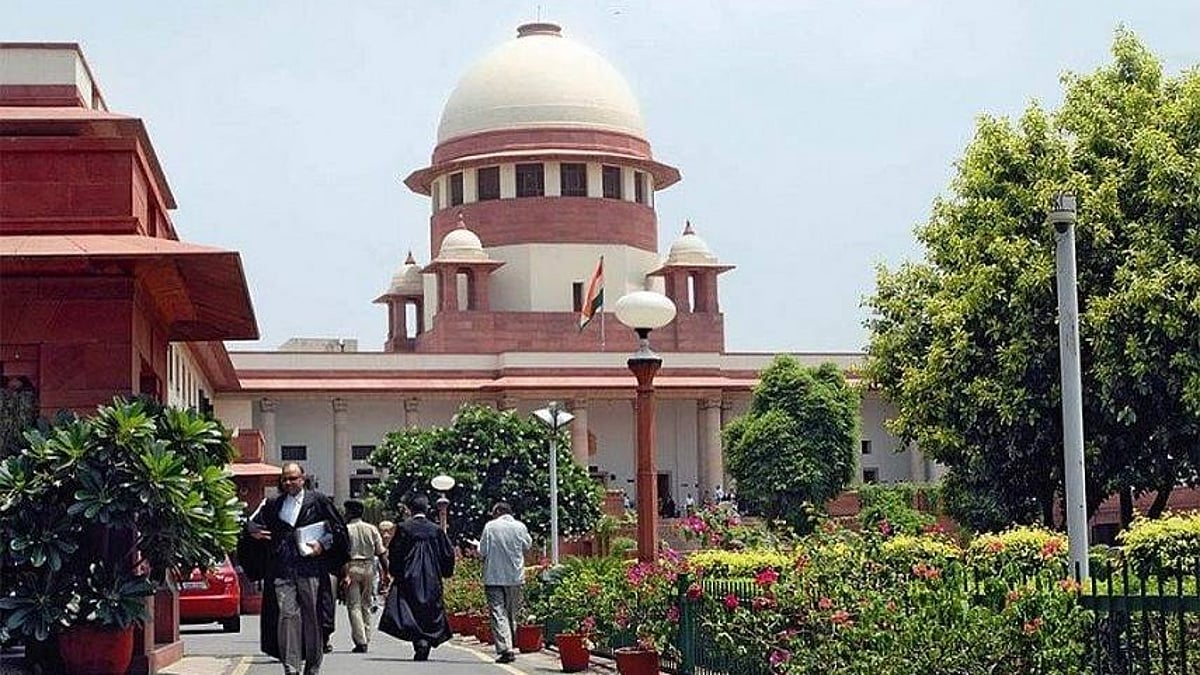
The Supreme Court of India has rejected a petition that asked it to order the tax authority to issue a Permanent Account Number (PAN) to a minor heir of a deceased taxpayer. The decision ends a legal fight that began after the heir could not claim a tax refund because the government refused to assign a PAN.
What is a PAN? A PAN is a ten‑digit alphanumeric code that identifies individuals and entities for tax and financial transactions. It is required to file income‑tax returns, open bank accounts, purchase high‑value assets and conduct many other routine activities. In practice, the PAN works much like the Social Security Number in the United States or the National Insurance Number in the United Kingdom. Without it, a person can face obstacles in accessing basic financial services.
The petition’s background The case originated in a dispute over the estate of a well‑known businessman who died without leaving a PAN for his minor son. The son’s legal guardian filed a petition in the Supreme Court, arguing that the Income Tax Department’s refusal to issue a PAN violated the child’s right to equal treatment under the law and blocked the family from claiming a tax refund that was due from the deceased’s last filing. The petitioner also claimed that the existing rules were outdated and discriminated against minors and heirs who needed a PAN for legitimate financial purposes.
Why the court dismissed the plea The bench examined the statutory framework governing PAN issuance. Under the Income Tax Act, a PAN can be allotted to a minor only when a parent or legal guardian applies on the child’s behalf. The court noted that the petitioner had not demonstrated that the existing procedure was being misapplied in this particular case. Moreover, the judges pointed out that the tax department had already offered to issue a PAN once the appropriate documentation was submitted, but the petitioner had not followed through with that option.
In its written order, the court emphasized that courts should not intervene in administrative processes unless there is a clear violation of law or a failure to follow due procedure. Since the department’s guidelines were technically being observed, the court found no basis to compel a direct issuance of PAN.
Immediate impact on the parties involved For the minor heir, the dismissal means that the family must still apply for a PAN through the standard channel, which includes providing proof of guardianship and the deceased’s tax records. While the decision does not prevent the child from eventually receiving a PAN, it does delay the process and adds an administrative step that the petitioner hoped to avoid.
Tax professionals say the outcome reinforces the importance of following procedural requirements. "The ruling is a reminder that the tax system has built‑in safeguards, and those safeguards must be respected," said a senior partner at a Delhi‑based chartered account firm. "If a taxpayer wants a PAN, they need to meet the documentation standards, regardless of the circumstances."
Broader implications for taxpayers The case has sparked a conversation about how easy it is for ordinary citizens, especially minors and heirs, to obtain a PAN. Critics argue that the current process can be cumbersome, requiring multiple forms and sometimes physical verification that may not be practical for families dealing with a recent loss. Proponents of the status quo contend that the safeguards help prevent fraud and identity theft, which are serious concerns in a country with a population of over 1.4 billion.
The Supreme Court’s decision does not change the law, but it may encourage the Income Tax Department to review its outreach and assistance programs. Some consumer‑rights groups have called for a simplified online portal that allows legal guardians to apply for a minor’s PAN with fewer hurdles.
Global relevance Although the case is specific to India, the issues it raises resonate worldwide. Many countries rely on a single identification number for tax and financial purposes, and the balance between accessibility and security is a common policy challenge. The ruling illustrates how courts can act as a check on administrative agencies while also respecting the procedural rules that protect the integrity of national identification systems.
International observers note that the decision aligns with trends in other jurisdictions where courts are reluctant to override detailed administrative processes unless there is a clear breach of statutory rights. In the United States, for example, the Internal Revenue Service follows strict guidelines for issuing Individual Taxpayer Identification Numbers (ITINs) to minors, and courts typically defer to the agency’s expertise.
Looking ahead Legal experts predict that the dismissal could prompt legislative attention. A member of Parliament has already raised the issue in a recent session, suggesting that the government consider amending the PAN rules to allow a more streamlined issuance for minors and legal heirs. If such a amendment is passed, it could reduce the need for future court petitions and make the system more user‑friendly.
In the meantime, families facing similar situations are advised to work closely with tax consultants and to keep thorough records of all correspondence with the tax department. The Supreme Court’s order underscores that the path to a PAN remains a procedural one, and that patience and proper documentation are essential.
Conclusion The Supreme Court’s dismissal of the plea seeking a PAN for a minor heir reaffirms the principle that administrative processes must be respected unless they are demonstrably flawed. While the ruling does not alter the legal framework governing PAN issuance, it highlights the tension between efficient access to financial identity and the need to safeguard the system against misuse. The case may serve as a catalyst for policy review, potentially leading to a more streamlined approach that balances inclusivity with security on a national and global scale.