Smoke Rises From Tower In Dubai Marina As Iran Continues Gulf Attacks
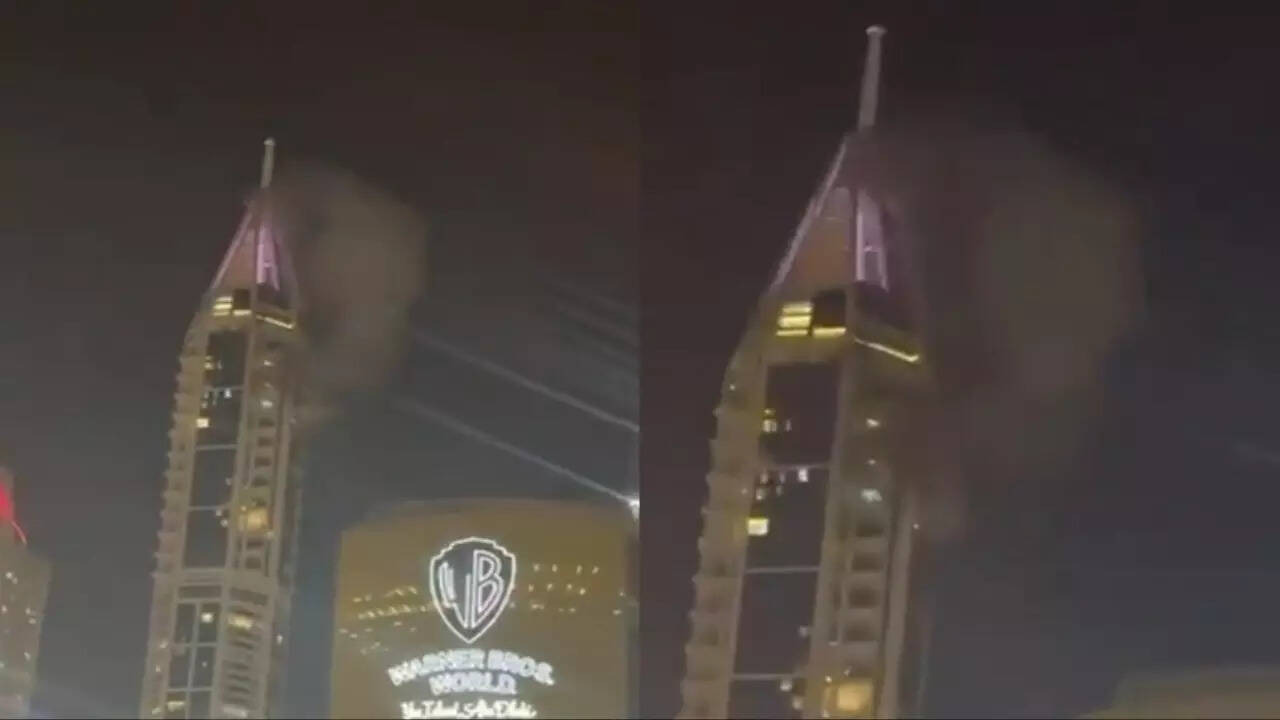
A thick column of smoke drifted over the sleek skyline of Dubai Marina after a fire broke out in a high‑rise residential tower. Residents on nearby floors were evacuated, and emergency crews worked through the night to contain the blaze. While officials confirmed that the fire was not linked to any external attack, the incident unfolded against a backdrop of escalating hostilities between Iran and several Gulf states, raising questions about safety and stability in the region.
What triggered the blaze? Preliminary reports from the Dubai Civil Defence indicate that an electrical fault in a common area sparked the fire. The fault caused a rapid spread of flames through the building’s interior, prompting the activation of the tower’s sprinkler system and the deployment of multiple fire engines. No casualties have been reported, and the fire appears to be under control, but the smoke plume remained visible for hours, prompting a temporary closure of nearby streets and a brief disruption to maritime traffic in the marina.
A city accustomed to rapid response Dubai’s emergency services are renowned for their swift reaction times and advanced equipment. Within minutes of the alarm, fire trucks, aerial platforms, and specialist rescue teams arrived on scene. The city’s strict building codes, which mandate fire‑resistant materials and comprehensive evacuation plans, helped prevent injuries. Nonetheless, the incident serves as a reminder that even in a city celebrated for its safety standards, unforeseen technical failures can pose serious risks.
Regional tension provides a volatile backdrop The fire occurred while Iran has intensified its campaign of missile and drone strikes targeting oil facilities and shipping lanes across the Gulf. Those attacks have heightened security alerts throughout the United Arab Emirates, prompting heightened surveillance of critical infrastructure, including ports, airports, and high‑rise complexes. Although the Dubai Marina fire was quickly identified as an internal fault, the timing has amplified public anxiety about potential spill‑over effects from the broader conflict.
Why the incident matters beyond Dubai Dubai is a global hub for tourism, finance, and trade. Any disruption, even a localized fire, can ripple through international markets, especially when it coincides with geopolitical uncertainty. Investors monitor such events closely, as they can affect perceptions of risk in the region. Moreover, the visual of smoke over a landmark waterfront area can shape narratives in global media, influencing how the Gulf’s stability is portrayed to audiences far beyond the Middle East.
Impact on the local community Residents of the affected tower reported temporary loss of electricity and water, as well as inconvenience from road closures. Local businesses in the marina, including restaurants and boutique shops, experienced a brief dip in foot traffic. Property managers have pledged to conduct a thorough safety audit of all electrical systems in the building, and the municipality has announced a city‑wide review of fire‑safety protocols for high‑rise structures.
International diplomatic reactions While foreign ministries have not issued formal statements about the fire itself, several diplomatic missions in Abu Dhabi and Washington have reiterated their support for the UAE’s efforts to maintain security amid regional tensions. The United Nations Office for the Coordination of Humanitarian Affairs (OCHA) has reminded member states of the importance of protecting civilian infrastructure during armed conflicts, emphasizing that any accidental damage should be addressed swiftly to avoid escalation.
Economic considerations Dubai’s real‑estate market is sensitive to perceptions of safety. A series of high‑profile incidents, even when unrelated to conflict, can influence buyer confidence. Analysts suggest that the quick containment of the fire and the absence of injuries will likely mitigate any long‑term impact on property values. However, the broader climate of uncertainty stemming from Iran’s Gulf attacks could affect foreign investment flows, especially in sectors tied to energy and logistics.
Security measures moving forward In response to the fire, the Dubai Police and Civil Defence have announced plans to increase random inspections of electrical installations in high‑rise buildings. The city is also exploring the deployment of advanced drone‑based monitoring systems to detect early signs of fire or structural stress. These steps aim to reassure residents and investors that the emirate remains proactive in safeguarding its built environment.
Potential future scenarios If regional hostilities continue to intensify, the UAE may consider further bolstering its civil defence capabilities, including the acquisition of additional aerial firefighting assets and the integration of AI‑driven risk assessment tools. Conversely, a de‑escalation in the Gulf could allow authorities to shift focus back to routine urban development projects, such as the upcoming expansion of the Dubai Marina promenade.
Public sentiment and resilience The incident sparked a wave of social‑media posts showing the smoky skyline, accompanied by messages of solidarity from residents and expatriates. Many expressed confidence in the city’s emergency services, while others called for more transparent communication about safety inspections. This mix of reassurance and demand for accountability reflects a community that is both proud of its infrastructure and vigilant about potential vulnerabilities.
Conclusion The tower fire in Dubai Marina underscores how ordinary technical failures can become amplified when set against a backdrop of geopolitical tension. While the immediate danger has been contained and no lives were lost, the event highlights the need for continuous vigilance, robust safety standards, and clear communication from authorities. As the Gulf region watches the unfolding situation, Dubai’s handling of this incident will likely be cited as a benchmark for urban resilience in a volatile environment.