British PM tells Trump Ukraine peace deal must not reward Iran
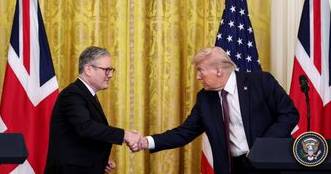
Separate diplomatic tracks are now focusing on two of the world’s most volatile issues: Iran’s nuclear ambitions and the ongoing conflict in Ukraine. While the negotiations are unrelated, both aim to reduce tension, prevent further escalation, and lay groundwork for longer‑term stability.
The international community has long been concerned that Iran’s nuclear program could cross a threshold that threatens regional security. At the same time, the war in Ukraine continues to reshape Europe’s security architecture and strain global supply chains. Progress in either arena could ease economic pressure, lower the risk of military confrontation, and influence the balance of power in their respective regions.
Background on the Iran negotiations
Over the past year, a series of informal meetings have taken place between Tehran, European powers, and the United States. The talks are built on the framework of the 2015 Joint Comprehensive Plan of Action (JCPOA), which was designed to limit Iran’s ability to produce weapons‑grade material in exchange for sanctions relief. After the United States withdrew from the agreement in 2018, Iran began stepping back from its commitments, prompting renewed diplomatic outreach.
European diplomats have emphasized a “step‑by‑step” approach. The latest round of talks, held in a neutral venue, focused on three core issues: verification mechanisms, the timeline for lifting certain sanctions, and Iran’s ballistic‑missile program. Both sides agreed to exchange technical data through the International Atomic Energy Agency (IAEA) within the next two months. If the data satisfies the IAEA’s criteria, limited sanctions relief could follow, providing Iran with economic breathing room while keeping its nuclear activities under strict monitoring.
Background on the Ukraine discussions
In parallel, diplomatic channels are working to address the war that began when Russia invaded Ukraine in February 2022. The talks involve representatives from the United Nations, the European Union, and a coalition of NATO members, as well as Ukrainian officials. The primary goal is to find a pathway to a cease‑fire that respects Ukraine’s sovereignty while addressing Russia’s security concerns.
Recent meetings have centered on three pillars: humanitarian aid corridors, the withdrawal of heavy weapons from contested zones, and the future status of territories currently under Russian control. A proposal on the table suggests a phased withdrawal of Russian forces in exchange for internationally monitored elections in the disputed regions. While the plan is still in its early stages, it reflects a willingness from both sides to explore diplomatic solutions rather than continue a costly military stalemate.
Success in the Iran talks could have a ripple effect across the Middle East. A revived nuclear agreement would likely ease tensions between Iran and its Gulf neighbours, reducing the risk of proxy conflicts that have plagued the region for decades. Moreover, it would open the door for increased foreign investment in Iran’s oil and gas sector, potentially stabilizing global energy markets that have been volatile due to sanctions and supply disruptions.
Meanwhile, a breakthrough on Ukraine could reshape Europe’s security landscape. A cease‑fire or negotiated settlement would allow displaced families to return home, restore critical infrastructure, and reduce the flow of refugees into neighboring countries. It would also lessen the economic strain on European nations that have been supporting Ukraine with military aid and financial assistance. Global markets, already sensitive to geopolitical risk, could see a reduction in commodity price swings, especially for wheat and energy.
Both diplomatic tracks face significant obstacles. In Tehran, hard‑line factions remain skeptical of any deal that they perceive as compromising national sovereignty. They argue that external pressure should not dictate Iran’s nuclear policy. On the other side, Western leaders worry that premature sanctions relief could embolden Iran to resume enrichment activities beyond the agreed limits.
For Ukraine, the main hurdle is trust. Years of conflict have left deep scars, and both Kyiv and Moscow accuse each other of violating previous agreements. Additionally, the question of territory remains highly contentious; any compromise on borders could be seen as rewarding aggression, a point that many NATO members are unwilling to accept.
Possible future scenarios
If the Iran negotiations succeed, the most likely outcome would be a phased rollback of sanctions tied to strict IAEA verification. This could lead to a gradual reintegration of Iran into the global financial system and a reduction in regional arms races. Conversely, a breakdown in talks could push Iran to accelerate its nuclear program, prompting a new round of sanctions and increasing the risk of a military confrontation.
In the Ukrainian context, a negotiated settlement could involve a neutral monitoring force overseeing the withdrawal of troops and the conduct of elections. Such a framework might pave the way for a longer‑term security arrangement in Eastern Europe, possibly involving guarantees from major powers. If talks fail, the conflict could drag on, further draining resources and deepening humanitarian crises.
The next few weeks will be critical. Both diplomatic tracks have set timelines for exchanging technical data and drafting preliminary agreements. Observers will be looking for concrete commitments rather than vague statements. The role of third‑party mediators, such as the United Nations and the European Union, will also be under scrutiny, as their ability to keep the dialogue constructive could determine the success of the talks.
Separate diplomatic efforts on Iran and Ukraine illustrate the complex web of modern international relations. While the issues differ—one focuses on nuclear proliferation, the other on territorial sovereignty—the underlying goal is the same: to prevent further conflict and create conditions for lasting peace. The outcomes of these talks will not only affect the directly involved nations but also shape global economic stability, security alliances, and the broader perception of diplomatic problem‑solving in a world where tensions run high.
Stakeholders worldwide will be watching closely, hoping that dialogue can replace the drums of war and that measured compromise can replace entrenched hostility.