SENSEX falls over 350 points, NIFTY50 below 25,850; Infosys, TCS among top drags
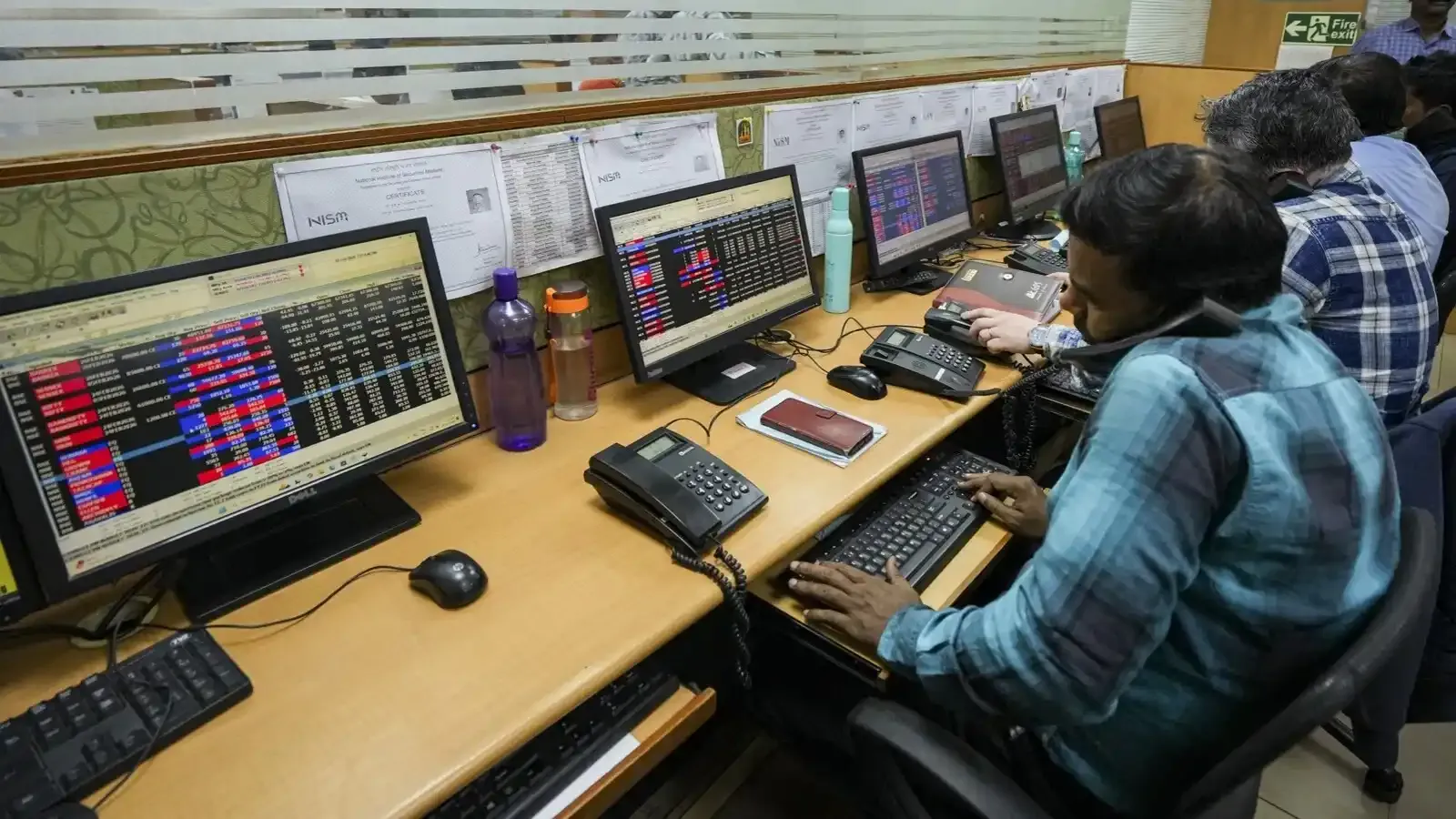
The Indian equity market opened lower on Tuesday, with the benchmark Sensex slipping more than 350 points and the Nifty 50 slipping under the 25,850 mark. The drop was driven by a broad sell‑off, but technology stocks such as Infosys and Tata Consultancy Services (TCS) were among the heaviest drags.
Trading volumes were moderate, yet the price action reflected nervousness across sectors. The Sensex, which had been hovering near record highs, fell 1.5 percent, while the Nifty 50 lost about 1.4 percent. The decline came after a series of global cues that rattled risk‑on sentiment, including a surprise rise in US Treasury yields and a weaker-than‑expected manufacturing report from Europe.
Information technology (IT) shares led the losses. Infosys slipped more than 3 percent, and TCS dropped close to 2.8 percent, pulling down the broader IT index. Both companies cited concerns over slowing demand for digital services in the United States, where several large clients have announced budget revisions.
Financials also felt the pressure. HDFC Bank and ICICI Bank each lost around 2 percent as investors reassessed the impact of higher borrowing costs on loan growth. Energy stocks, including Reliance Industries, fell about 1.5 percent after crude oil prices retreated following a modest build in U.S. inventories.
By contrast, a few defensive stocks managed to hold their ground. Consumer staples such as Hindustan Unilever and ITC showed resilience, slipping less than 1 percent, suggesting that investors were rotating into safer bets amid the uncertainty.
The Indian market’s pullback mirrors a broader trend in emerging markets that have been reacting to tighter monetary policy in the United States. The US Federal Reserve’s latest policy statement hinted at a possible acceleration in rate hikes, prompting a sell‑off in risk assets worldwide. Higher yields make dollar‑denominated assets more attractive, pulling capital away from equities in markets like India.
In Europe, the latest manufacturing PMI fell short of expectations, raising concerns about a slowdown in the region’s industrial activity. The weaker data added to the risk‑off mood, prompting investors to trim exposure to growth‑oriented stocks.
Domestic investors appear cautious after a prolonged rally that saw the Sensex breach the 70,000 level earlier in the year. The current correction is being viewed as a healthy pause by many market analysts, who argue that a modest pull‑back can help reset valuations.
However, the heavy weight of IT stocks in the index means that any negative news from the sector can amplify market moves. The sector’s exposure to foreign currency earnings makes it especially sensitive to changes in the US dollar and global economic outlook.
Retail participation remains robust, with mutual fund inflows still outpacing outflows, but the net flow turned slightly negative in the latest week as investors shifted to short‑duration debt instruments for safety.
Policy and Economic Factors
The Indian government has recently announced a series of fiscal measures aimed at boosting infrastructure spending, but the impact on corporate earnings will take time to materialise. Meanwhile, the Reserve Bank of India (RBI) has kept its policy rate steady, signalling that it will monitor inflation closely before considering any easing.
Inflation in India has been moderating, yet food price volatility continues to pose a risk to consumer spending. Analysts note that a sustained rise in food inflation could erode disposable income, affecting sectors ranging from retail to automotive.
The market’s next move will likely hinge on a combination of domestic data releases and global developments. A strong domestic GDP figure or a positive earnings surprise from major corporates could restore confidence.
On the global front, investors will be watching the US Federal Reserve’s upcoming policy meeting and any fresh data on European industrial activity. A clear signal that rate hikes will be paused could provide a back‑stop for risk assets.
Technical analysts point to the 21‑day moving average as a key support level for the Sensex. A break below that line could trigger further selling, while a bounce might indicate that the market is finding a new base.
The recent dip in India’s major indices reflects a confluence of global monetary tightening, sector‑specific concerns, and cautious investor sentiment. While the correction appears contained, the market remains sensitive to external shocks, especially those emanating from the United States and Europe.
Investors are advised to keep an eye on earnings reports from the IT sector, monitor RBI policy cues, and stay alert to any shifts in global risk appetite. A balanced approach that blends exposure to defensive stocks with selective picks from growth sectors could help navigate the near‑term volatility.
Overall, the market’s trajectory will be shaped by how quickly global monetary policy stabilises and how domestic economic fundamentals evolve in the coming weeks.