Satellite images show more aircraft at Saudi airbase used by US forces
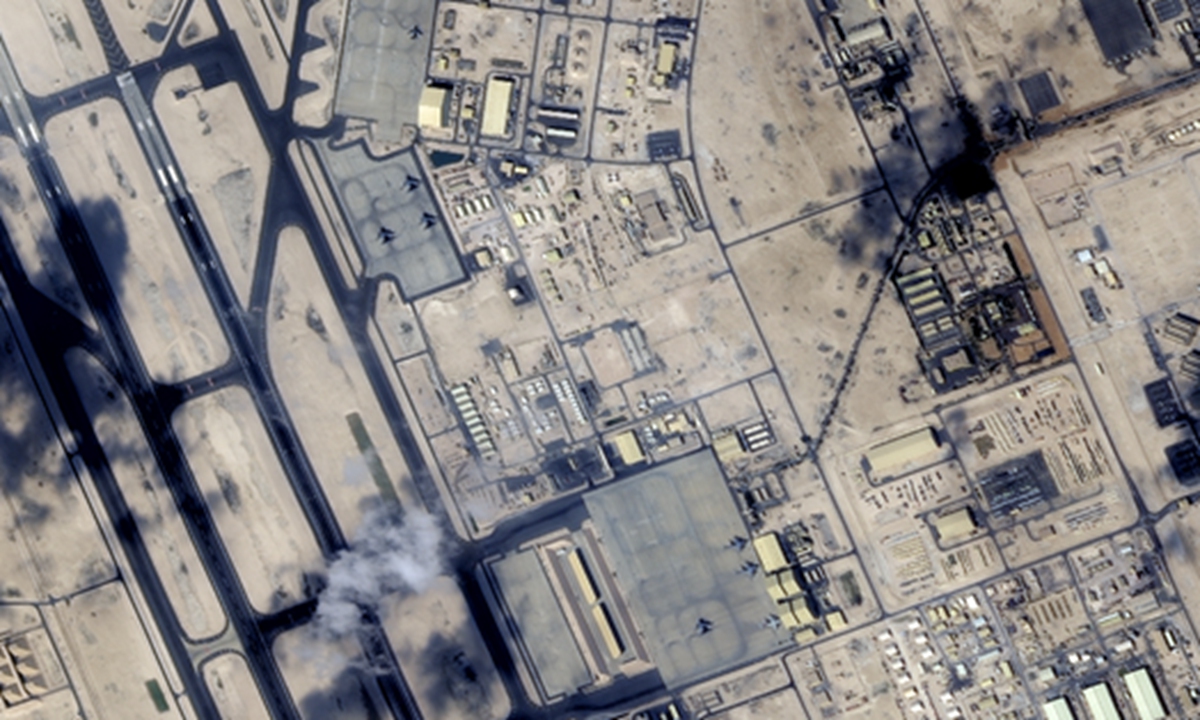
Satellite images released this week show a noticeable increase in the number of aircraft parked and taxiing at a Saudi Arabian airbase that hosts U.S. forces. The pictures, captured over several weeks, depict a growing fleet of fighter jets, transport planes and support helicopters, suggesting a shift in the base’s operational tempo.
Increased Activity Detected The imagery was produced by commercial providers that monitor military installations worldwide. Analysts compared the latest shots with those taken a few months earlier and counted roughly a 30 percent rise in visible aircraft. The most prominent additions are F‑15 and F‑16 fighters, as well as C‑130 transport aircraft that can move troops and equipment quickly across the region. Ground crews are also seen setting up additional tents and fuel trucks, indicating longer‑term usage rather than a short‑term visit.
Why the Base Matters The Saudi airbase, located near the Red Sea coast, has been a key hub for U.S. Central Command since the early 2000s. Its strategic position allows rapid response to incidents in Yemen, the Gulf of Aden and the broader Middle East. The United States uses the facility for refueling, maintenance and as a staging point for air operations. For Saudi Arabia, the presence of American aircraft reinforces its security partnership with Washington and deters potential aggression from regional rivals.
Possible Reasons for the Build‑up Several factors could explain the surge in aircraft. First, the ongoing conflict in Yemen remains unresolved, and both sides continue to launch missile and drone attacks that threaten commercial shipping. An expanded U.S. air presence may be intended to protect maritime routes and support Saudi‑led coalition forces. Second, rising tensions between Iran and its Gulf neighbours have prompted Washington to reassure allies that it can project power quickly if needed. Third, the United States is in the process of repositioning forces from other theaters, such as Europe, to the Middle East as part of a broader strategic realignment.
International Reactions Regional observers have noted the development with a mix of concern and approval. Saudi officials publicly welcomed the increased American footprint, describing it as a “necessary step to preserve stability.” In contrast, Iranian officials condemned the move, labeling it a “provocative escalation” that could destabilize the already fragile security environment. Western allies, including the United Kingdom and Australia, have expressed support for the United States’ decision, emphasizing the importance of collective security in the region.
Impact on Local Communities The heightened activity also affects the surrounding civilian population. Local businesses near the base have reported a surge in demand for goods and services, from food vendors to vehicle repair shops. However, residents have voiced worries about noise, increased traffic and the risk of becoming a target in any future conflict. Human‑rights groups are calling for transparent communication from both Saudi and U.S. authorities to address these community concerns.
What May Come Next Analysts caution that the current build‑up does not guarantee a permanent expansion of forces. Satellite monitoring will continue to track the number of aircraft and any new infrastructure, such as hardened shelters or expanded runways. If diplomatic efforts succeed in de‑escalating regional disputes, the fleet could be scaled back. Conversely, a flare‑up in Yemen or a direct confrontation with Iran could see the base become a central hub for additional U.S. sorties.
Broader Geopolitical Implications The development underscores the enduring importance of the Middle East in global security calculations. While the United States has reduced its footprint in some parts of the world, the region remains a focal point for power projection, energy security and counter‑terrorism. An increased U.S. presence at the Saudi base signals that Washington still views direct involvement as essential to deter hostile actions and protect its interests.
Conclusion The satellite images provide a clear, visual confirmation that more aircraft are operating from the Saudi airbase used by U.S. forces. Whether this reflects a short‑term response to immediate threats or a longer‑term strategic shift will become evident in the weeks and months ahead. For policymakers, the images serve as a reminder that military deployments are closely watched, and that every addition to a base can ripple through diplomatic relations, regional stability and the daily lives of nearby citizens.