Samsung Unveils Galaxy S26 Series: The Most Intuitive Galaxy AI Phone Yet
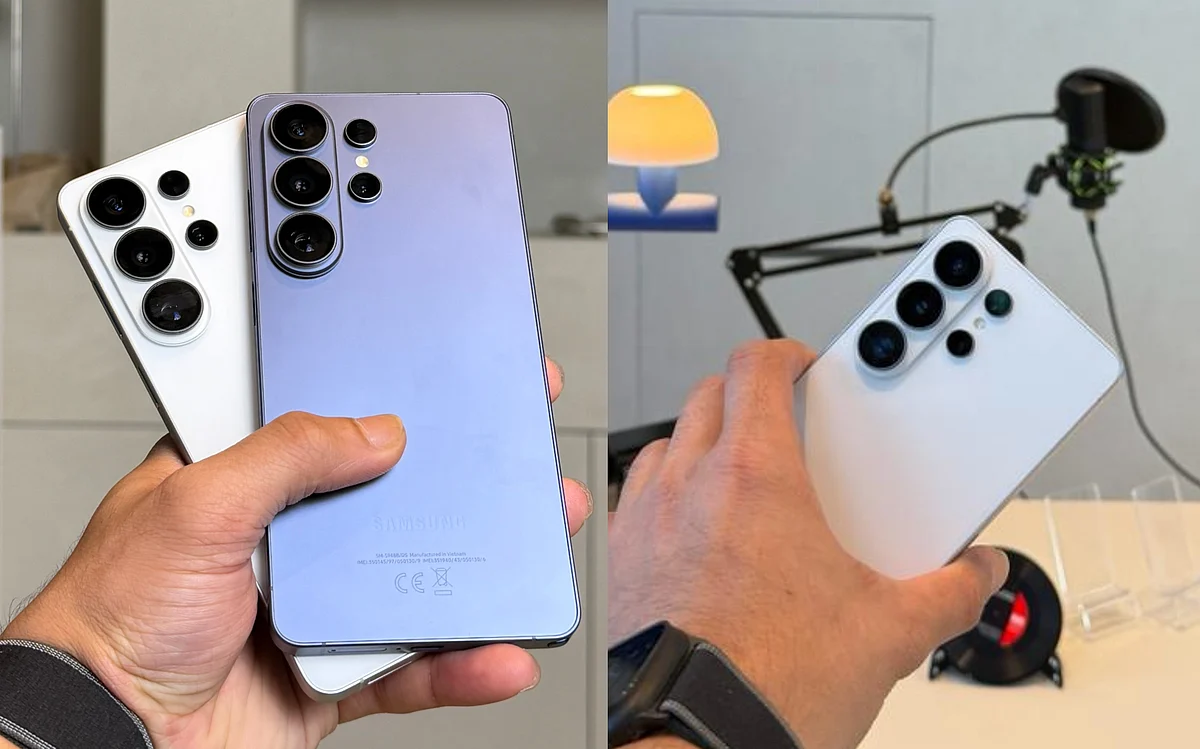
Samsung’s latest flagship rollout marks a clear shift toward artificial‑intelligence‑first smartphones. The newly unveiled Galaxy S26 series combines a refined design with deep‑learning software that learns a user’s habits, predicts actions, and streamlines everyday tasks. By embedding AI at the core of the device, Samsung aims to make the phone feel less like a tool and more like a personal assistant that adapts in real time.
The launch event highlighted three models: the standard S26, the larger S26 Plus, and the premium S26 Ultra. All three share a common visual language—sleeker glass backs, a thinner profile, and a near‑bezel‑less display. The Ultra version introduces a new under‑display camera, eliminating the need for a visible front lens. Samsung’s engineers emphasized that the hardware is built to support a new generation of AI algorithms, allowing the phone to process data locally rather than relying heavily on cloud services.
AI at the Heart of the Experience
The most talked‑about feature is “Galaxy AI,” a suite of on‑device intelligence that handles everything from voice commands to predictive battery management. The system learns which apps a user opens at certain times, pre‑loads them in the background, and suggests shortcuts on the lock screen. A new “Contextual Assistant” can automatically mute notifications during meetings, adjust screen brightness based on ambient light, and even suggest reply options that match a user’s writing style. All of this runs on Samsung’s custom‑designed Neural Processing Unit (NPU) that promises faster inference with lower power consumption.
Photography remains a key battleground for flagship phones, and the S26 series pushes the envelope further. The Ultra model sports a 200‑megapixel main sensor paired with a 12‑megapixel ultra‑wide lens and a 10‑megapixel periscope telephoto that offers up to 10× optical zoom. Samsung’s AI‑driven “Scene Optimizer” now identifies over 30 different scenarios, from night markets to indoor concerts, and automatically adjusts exposure, color balance, and focus. The under‑display front camera, while modest at 12 megapixels, benefits from AI‑enhanced low‑light processing, delivering clearer selfies without a visible notch.
Performance and Battery Life
Under the hood, the S26 series runs on the latest Exynos 2400 (or Snapdragon 8 Gen 3 in select markets) paired with 12 GB or 16 GB of RAM. The integration of the NPU means AI tasks no longer drain the main processor, preserving battery life. Samsung also introduced “Adaptive Power,” an AI‑controlled system that learns a user’s charging habits and optimizes the battery’s health over time. Early benchmarks suggest the phones can last a full day under heavy use while still supporting fast charging up to 45 W.
Why It Matters Globally
The move toward on‑device AI reflects a broader industry trend where privacy and speed are becoming paramount. By processing data locally, Samsung reduces reliance on external servers, addressing growing concerns about data security. For markets with limited high‑speed internet, the ability to run sophisticated AI without constant connectivity could boost adoption. Moreover, the S26’s AI capabilities are being positioned as a differentiator against rivals that still rely heavily on cloud‑based services.
Potential Market Impact
Analysts predict the S26 series could tighten Samsung’s lead in the premium segment, especially in regions where brand loyalty is strong. The combination of a high‑resolution camera, robust AI, and a sleek design may attract users looking to upgrade from older models or switch from competing ecosystems. Retailers have already reported strong pre‑order numbers, and Samsung’s supply chain appears prepared for a global rollout that could influence the next wave of smartphone pricing and feature expectations.
The introduction of a dedicated NPU signals that Samsung plans to deepen AI integration in future devices. Expect upcoming software updates to unlock new capabilities, such as real‑time language translation, advanced health monitoring, and more personalized content curation. As developers gain access to the AI platform, third‑party apps could leverage the hardware to deliver smarter experiences, further blurring the line between phone and personal assistant.
Tech commentators have praised the S26’s balanced approach—combining tangible hardware upgrades with software that feels intuitive rather than gimmicky. Critics note that the under‑display camera still lags behind traditional front lenses in low‑light conditions, but they acknowledge that Samsung’s rapid iteration suggests improvements are on the horizon. Overall, the consensus is that Samsung’s AI focus could set a new benchmark for what consumers expect from a flagship phone.
Samsung’s Galaxy S26 series represents more than a yearly refresh; it showcases a strategic pivot toward AI‑centric design. By embedding intelligence directly into the device, Samsung aims to deliver a smoother, more personalized user experience while addressing privacy concerns. The global smartphone market, already crowded with powerful hardware, may soon be defined by how well a phone can think for its owner. If the S26 series lives up to its promises, it could reshape user expectations and push the entire industry toward a more intuitive, AI‑driven future.