Rising Bharat Summit: PM Modi says developed nations eager to strike trade deals with India
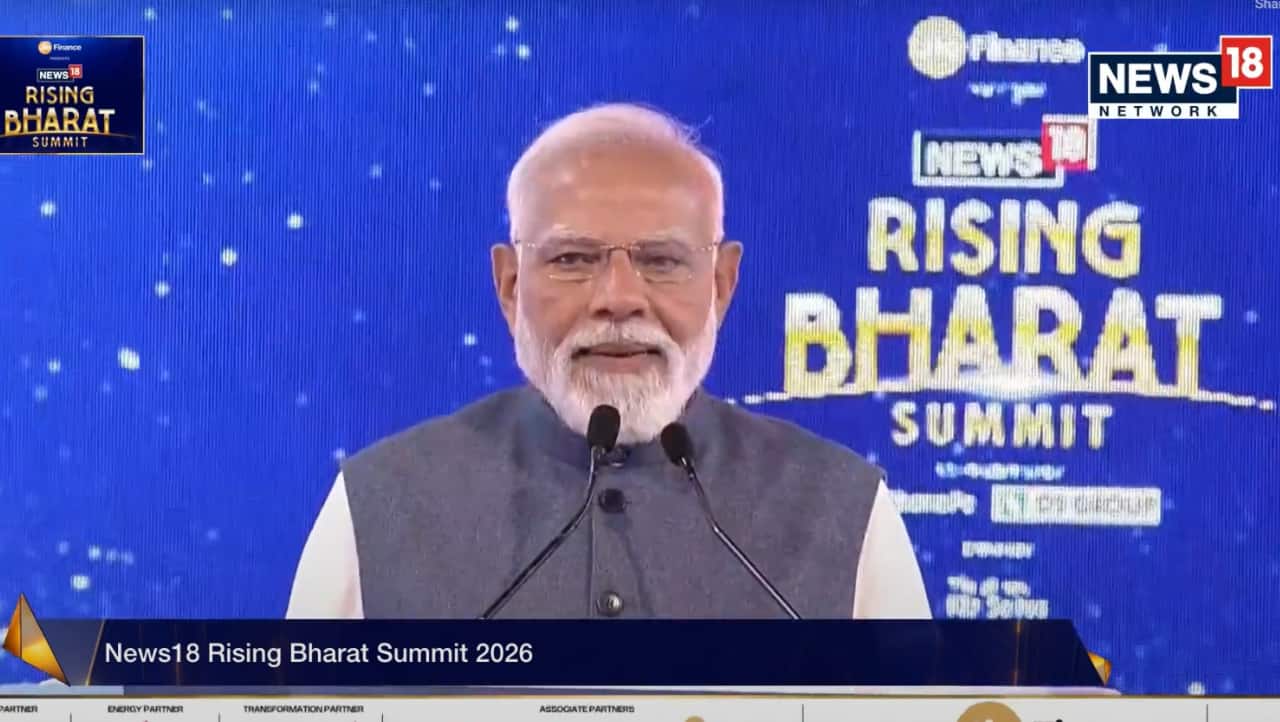
Prime Minister Narendra Modi told delegates at the Rising Bharat Summit that a growing number of developed countries are looking to sign trade deals with India. The comment reflects a broader shift in global commerce, as nations seek new partners to balance supply chains and tap into India’s expanding market.
Summit Overview The three‑day gathering brought together heads of state, business leaders, and policy makers from more than 30 countries. Hosted in New Delhi, the event highlighted India’s ambition to become a central hub for manufacturing, services, and technology. Attendees toured industrial parks, met with start‑up founders, and participated in panels on climate‑friendly growth.
Developed Nations Show Interest During a press briefing, Modi said that several advanced economies have expressed a “strong appetite” for bilateral trade agreements. Representatives from the United States, the European Union, Japan, Canada, and Australia all indicated a willingness to move beyond exploratory talks.
United States – U.S. officials emphasized the need for reliable supply chains for electronics and pharmaceuticals, areas where India has built considerable capacity. European Union – EU delegates highlighted renewable energy and automotive components as priority sectors for cooperation. Japan – Japan’s delegation pointed to high‑tech manufacturing and digital services as key opportunities.
These statements suggest that the traditional focus on large‑scale infrastructure projects is expanding to include services, intellectual property, and green technology.
Key Sectors in Focus The summit identified five sectors where trade talks are expected to accelerate:
1. Information Technology and Software Services – India’s IT workforce continues to grow, offering cost‑effective solutions for global firms. 2. Pharmaceuticals and Healthcare – The country’s robust generic drug industry can help meet worldwide demand for affordable medicines. 3. Renewable Energy – With ambitious solar and wind targets, India seeks foreign investment to scale clean‑energy projects. 4. Automotive and Mobility – Electric vehicle production and component sourcing are emerging as joint‑venture opportunities. 5. Agriculture and Food Processing – Modernising supply chains can boost exports of processed foods and improve food security for partner nations.
Each sector aligns with the development goals of both India and its prospective partners, creating a win‑win scenario for trade and investment.
Strategic Implications The interest from developed economies carries several strategic meanings:
Diversifying Supply Chains – Recent disruptions have pushed companies to look beyond traditional hubs. India’s large labor pool and growing manufacturing base provide an alternative. Geopolitical Balance – Strengthening economic ties can serve as a counterweight to the influence of other major powers in the region. Technology Transfer – Partnerships in high‑tech fields could accelerate India’s move up the value chain, fostering home‑grown innovation. Sustainable Growth – Joint projects in renewable energy and green infrastructure align with global climate commitments, positioning India as a responsible growth engine.
Analysts note that while enthusiasm is high, the path to concrete agreements will require careful navigation of regulatory standards, intellectual‑property protections, and market access rules.
Looking Ahead The summit concluded with a call for a “fast‑track” negotiation process. A joint working group, comprising officials from India and interested nations, will be set up to draft framework agreements within the next six months.
If these talks progress as promised, the next few years could see a surge in cross‑border investments, new joint ventures, and expanded market access for Indian exporters. For developed economies, the payoff would be a reliable partner in a region that is increasingly central to global trade.
The momentum generated at the Rising Bharat Summit underscores a broader trend: nations are re‑evaluating traditional trade patterns and seeking partnerships that combine economic strength with strategic stability. India’s role as a potential hub for manufacturing, technology, and sustainable development appears more credible than ever, and the world will be watching how quickly the announced interest turns into signed agreements.
The information presented reflects statements made by officials and participants at the summit and does not constitute a guarantee of future trade outcomes.*