Reliance bags US licence to buy Venezuela oil; may help replace Russian crude: Report
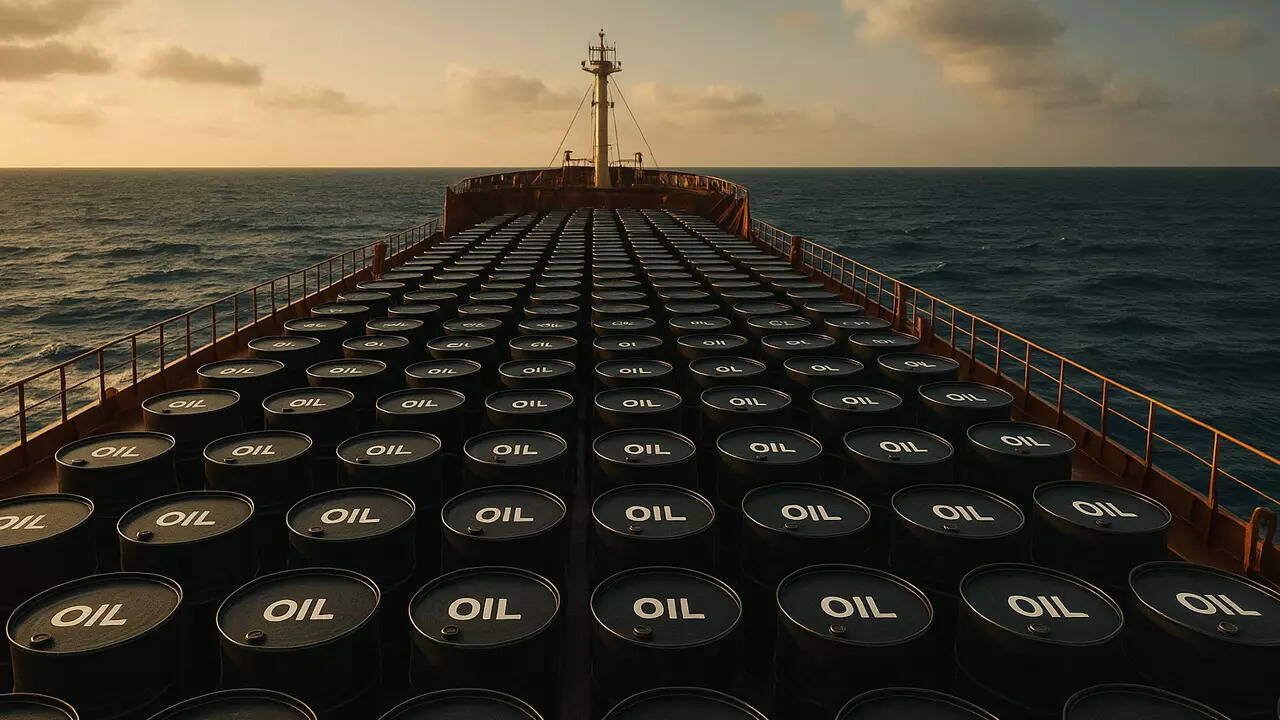
Reliance Industries Ltd. has received a United States licence that allows it to purchase and transport crude oil from Venezuela. The approval clears a major regulatory hurdle and opens a new supply channel for the Indian conglomerate, which has been looking to diversify its energy portfolio.
Background on US sanctions
Since 2017 the United States has imposed strict sanctions on Venezuela’s state‑run oil company, Petróleos de Venezuela (PDVSA). The measures block most American firms from dealing with PDVSA and limit the ability of foreign companies to buy Venezuelan crude unless they obtain a specific licence from the Treasury Department’s Office of Foreign Assets Control (OFAC). The sanctions were intended to pressure the Venezuelan government over political and human‑rights concerns, but they also created a vacuum in the global oil market. Over the past few years, a handful of non‑American firms have applied for licences to tap the country’s sizable reserves, hoping to benefit from low‑priced barrels.
Reliance’s bid and the licence
Reliance, one of India’s largest private‑sector groups, submitted a detailed application to OFAC earlier this year. The company argued that its purchase of Venezuelan oil would not undermine the sanctions’ objectives and would instead support humanitarian needs by keeping the country’s oil sector operational. After a review that considered compliance safeguards, the US authority granted a limited‑term licence covering the acquisition, transport and sale of up to 100,000 barrels per month.
The approval is significant for Reliance because it expands the group’s energy trading arm, which already handles crude from the Middle East, Africa and the United States. By adding Venezuelan oil, Reliance can offer its downstream businesses—refineries in Jamnagar and Gujarat—an additional source of feedstock, potentially lowering costs and reducing exposure to price spikes in other regions.
Implications for global oil markets
Venezuela holds some of the world’s largest proven oil reserves, but production has collapsed under sanctions, mismanagement and infrastructure decay. The modest volume that Reliance plans to import will not revive the country’s output, yet it signals a cautious re‑entry of private players into the market. Analysts expect that if more licences are granted, a gradual increase in Venezuelan exports could ease the tightness that has characterized the global oil market since the pandemic.
For the United States, the licence demonstrates a calibrated approach to sanctions: maintaining pressure on the Venezuelan government while allowing limited commercial activity that does not fund the regime directly. It also aligns with Washington’s broader strategy of engaging allies and strategic partners in the energy sector, ensuring that the sanctions do not inadvertently push oil flows toward rival nations.
What it means for India
India is the world’s third‑largest oil importer and has been seeking to secure stable, affordable supplies for its growing economy. Reliance’s new access to Venezuelan crude offers a diversification benefit, reducing reliance on the Middle East and the United States. Lower‑cost Venezuelan oil could translate into cheaper gasoline and diesel for Indian consumers, especially if the group passes on savings through its extensive retail network.
The move also strengthens India’s diplomatic leverage. By engaging with both the United States and Venezuela, Reliance helps New Delhi balance its foreign‑policy interests—supporting a US‑friendly stance on sanctions while maintaining a pragmatic relationship with Caracas, which has historically been a major oil supplier to India.
The licence is time‑bound and subject to periodic review. Reliance will need to demonstrate strict compliance with OFAC reporting requirements, including detailed shipment logs and end‑use verification. Failure to meet these conditions could result in revocation, which would halt the nascent supply chain.
If the initial volumes prove successful, Reliance may seek to increase its quota or negotiate additional licences for other Venezuelan fields. Such expansion would depend on the stability of Venezuela’s oil infrastructure, the willingness of the US to grant further approvals, and the overall trajectory of global oil demand.
In the broader context, the development underscores a shift in how sanctions are applied to the energy sector. Rather than a blanket embargo, authorities are moving toward a more nuanced framework that permits limited commercial activity under tight oversight. This approach could become a model for other sanctioned economies where humanitarian considerations intersect with strategic resource markets.
For now, Reliance’s entry into the Venezuelan oil market marks a notable step for the company and for the international energy landscape. It offers a glimpse of how private enterprises can navigate complex regulatory environments to secure new sources of supply, while also highlighting the delicate balance policymakers must maintain between political objectives and market realities.