Rain or heat? Here's what the new Western Disturbance brings on Monday
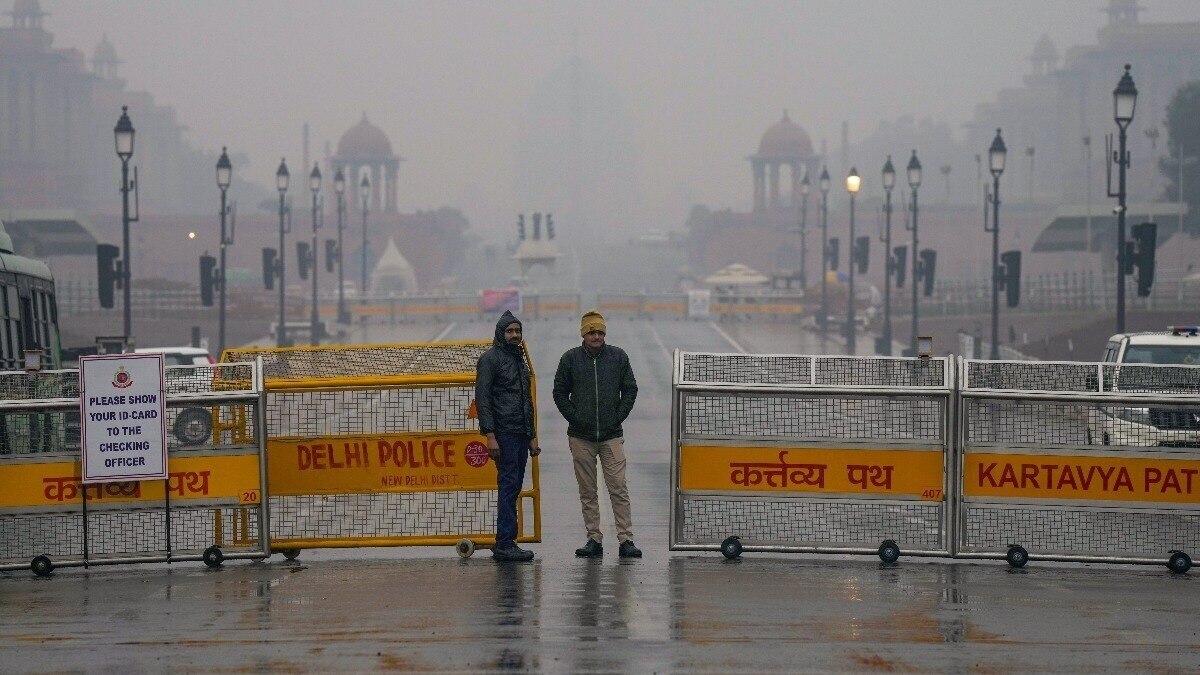
A fresh Western Disturbance moving across the northern Indian subcontinent is expected to deliver contrasting weather on Monday, with some regions seeing rain while others brace for a rise in temperature. Meteorologists say the system’s unusual path could influence daily life, agriculture, and even power demand across several countries.
What is a Western Disturbance?
Western Disturbances are low‑pressure systems that originate over the Mediterranean Sea and travel eastward across Iran, Afghanistan and the Himalayas. They bring moisture‑laden air into the typically dry winter zones of South Asia, often causing rain, snow, or a sudden temperature shift. While they are a regular feature of the winter climate, each disturbance varies in strength, speed, and the amount of precipitation it carries. The current system is notable for its rapid intensification and the way it is interacting with a high‑pressure ridge over the Indian Ocean.
Current Weather Outlook
The disturbance is projected to reach the western Himalayas by early morning, delivering light to moderate rain over parts of Jammu & Kashmir, Himachal Pradesh, and northern Punjab. Further east, the system will lose much of its moisture, allowing a warm, dry wind to dominate the Indo‑Gangetic plain. Cities such as Delhi, Lucknow, and Patna could see temperatures climb by 3‑5°C above the seasonal average, creating a brief spell of unseasonal warmth. Coastal states like Gujarat and Rajasthan are expected to stay dry, but the heat may feel more intense because of lower humidity.
Impact on Agriculture
Farmers in the north are watching closely. The rain could provide much‑needed moisture for winter wheat and mustard crops that have been under stress due to a prolonged dry spell. Even a few millimetres of precipitation can improve soil moisture levels, reduce irrigation costs, and lower the risk of frost damage. Conversely, the warm air over the plains may accelerate the ripening of certain vegetables, allowing markets to receive produce earlier than usual. However, a sudden temperature rise also raises the possibility of heat‑related stress for seedlings that are still young, especially if the warm spell persists into the night.
Energy and Power Considerations
The mixed weather pattern has immediate implications for power utilities. Rainfall in the Himalayan foothills can increase runoff into hydroelectric reservoirs, boosting water levels that are currently below optimal capacity. This could help meet the growing electricity demand during the upcoming summer months. At the same time, the warmer temperatures across the northern plains are likely to push up the use of air‑conditioning units, putting additional load on the grid. Energy planners are already adjusting load forecasts to accommodate these short‑term fluctuations.
International Relevance
Western Disturbances do not respect political borders. The same system is expected to affect eastern Afghanistan, southern Tajikistan, and northern Pakistan. In Afghanistan, the rain may ease the water shortage that has hampered irrigation in the Kabul valley for weeks. Pakistan’s Punjab province could see a brief respite from the dry conditions that have strained the Indus River flow. Moreover, the disturbance’s interaction with the larger Asian monsoon system is being monitored by climatologists, as early‑season moisture can influence the timing and intensity of the monsoon onset later in the year.
Potential Future Developments
Forecasters warn that the disturbance could spawn a secondary low‑pressure area as it moves further east. If this secondary system develops, it may bring additional rain to the northeastern states of India, such as Uttarakhand and Bihar, later in the week. Climate models also suggest that the frequency of such mixed‑impact disturbances may increase as global temperatures rise, making the pattern of alternating rain and heat a more common feature of winter weather in the region.
Preparedness Tips for the Public
- Stay Informed: Keep an eye on local weather bulletins, especially if you live in the rain‑prone zones of the Himalayas. - Protect Crops: Farmers should consider temporary covers for seedlings that are sensitive to sudden temperature changes. - Manage Energy Use: Households can reduce peak electricity demand by using fans instead of air‑conditioners during the brief warm spell. - Travel Safely: Roads in the mountainous areas may become slippery due to rain; drivers should exercise caution.
The new Western Disturbance illustrates how a single weather system can produce opposite effects within a short distance. While rain offers relief to drought‑stricken farms and helps refill hydro reservoirs, the accompanying rise in temperature poses challenges for energy consumption and crop management. As the disturbance moves eastward, its influence will be felt across national borders, underscoring the interconnected nature of regional climate. Monitoring agencies will continue to update forecasts, and communities are advised to stay prepared for both rain and heat as the day unfolds.