Rahul Gandhi warns US
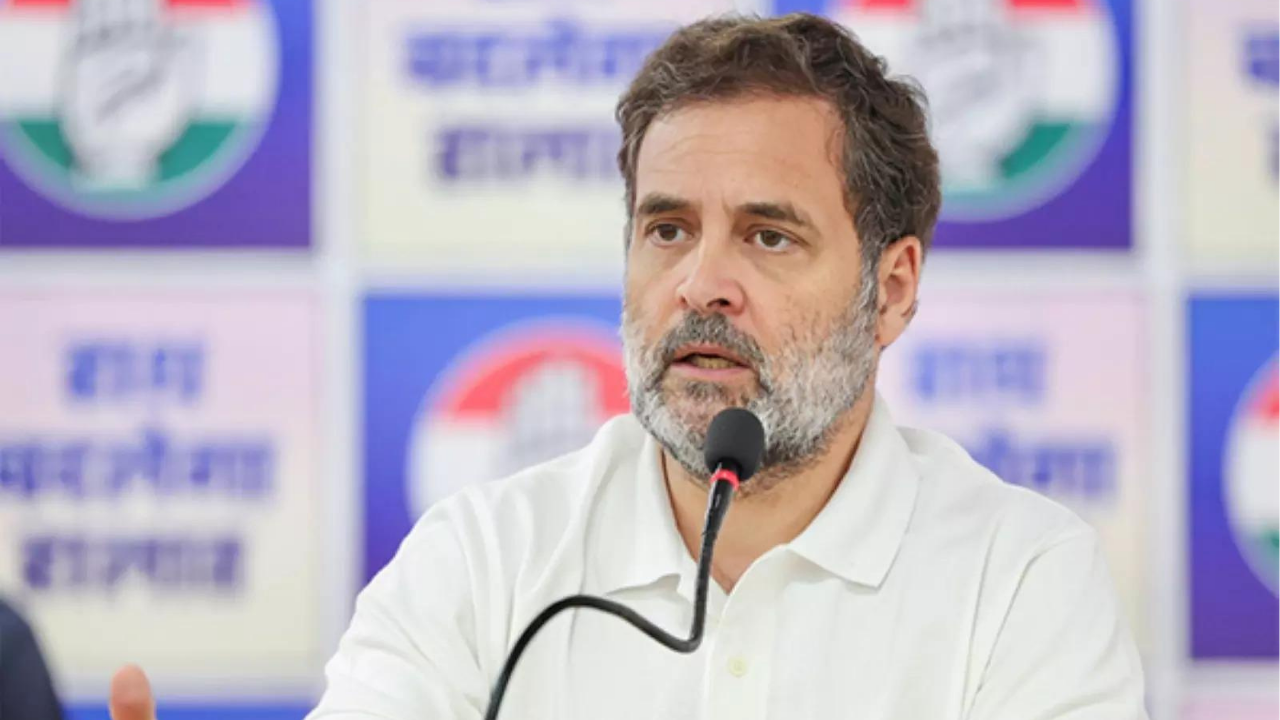
Indian opposition leader Rahul Gandhi delivered a stark warning to the United States, urging Washington to reconsider policies that could destabilise trade, security and democratic norms worldwide.
Gandhi, a senior figure in the Indian National Congress, has long positioned himself as a vocal critic of policies he believes undermine India's strategic autonomy. Over the past year, tensions have risen over a series of issues, including technology transfers, climate commitments and the handling of regional conflicts. These disputes have sharpened the political discourse in New Delhi and set the stage for Gandhi’s recent remarks.
The warning was made during a televised interview that reached a broad audience across South Asia. Gandhi said that the United States was "pushing a unilateral agenda that disregards the interests of emerging economies" and warned that such an approach could "trigger a backlash that harms global stability." He stressed that cooperation, not coercion, is essential for addressing shared challenges like climate change, supply‑chain security and the fight against terrorism.
Why it matters globally
Trade ties between India and the United States have grown rapidly, with bilateral commerce crossing $150 billion annually. Any strain on this relationship could ripple through supply chains that already face disruptions from geopolitical rivalries. Gandhi’s comments highlight concerns that restrictive export controls on critical technologies, such as semiconductors and artificial intelligence tools, may limit India's ability to develop its own digital infrastructure.
Security cooperation is another pillar of the partnership. Joint naval exercises, intelligence sharing and counter‑terrorism initiatives have become routine. Gandhi warned that a perception of American dominance could push India toward alternative security arrangements, potentially deepening ties with other major powers. Such a shift would alter the strategic balance in the Indo‑Pacific region, an area already marked by competing interests.
Democratic values also feature in Gandhi’s critique. He argued that the United States must lead by example on issues like press freedom, electoral integrity and human rights. Any deviation, he suggested, would erode the moral authority that underpins its diplomatic outreach.
Domestic reaction in India
Within India, Gandhi’s statements have sparked a mixed response. Supporters of the Congress party applaud the candour, seeing it as a necessary pushback against perceived American overreach. Critics, however, accuse Gandhi of inflaming tensions at a time when both nations need steady cooperation. Political analysts note that the warning may also be a strategic move to rally nationalist sentiment ahead of upcoming elections.
U.S. officials have so far refrained from direct comment, opting for a measured diplomatic tone. A senior State Department spokesperson emphasized that the United States remains committed to a "mutually beneficial partnership" with India and that policy decisions are made with respect for sovereign interests. Industry groups, particularly in the technology sector, have expressed concern that heightened rhetoric could delay ongoing collaborations.
International relations scholars point out that Gandhi’s warning reflects a broader trend of emerging economies asserting greater agency on the world stage. Dr. Ananya Singh of the Global Policy Institute observes that "India is no longer comfortable being a peripheral player; it wants a seat at the table where rules are made." She adds that public warnings from opposition leaders can influence policy by signalling domestic pressure, even if they do not immediately alter diplomatic calculations.
Potential impact on bilateral ties
If the United States chooses to ignore the warning, it risks a cooling of enthusiasm for joint projects, especially in sectors where regulatory approval is sensitive to political climate. Conversely, a constructive response—such as revisiting export‑control lists or offering clearer pathways for technology transfer—could reinforce trust and keep the partnership on an upward trajectory.
Other nations are watching closely. Countries like Japan, Australia and the European Union have vested interests in a stable Indo‑Pacific and may adjust their own strategies based on how the U.S.–India relationship evolves. Moreover, the warning underscores the growing importance of multilateral forums where emerging powers seek to shape global norms.
The coming months will reveal whether Gandhi’s warning translates into concrete policy shifts. Diplomatic channels are likely to engage in behind‑the‑scenes discussions aimed at smoothing over friction points. For now, the episode serves as a reminder that even long‑standing alliances are subject to scrutiny and renegotiation when national interests appear misaligned.
In sum, Rahul Gandhi’s admonition to the United States brings to the fore critical questions about trade equity, security cooperation and the shared values that bind the two democracies. How both sides navigate this moment will shape not only their bilateral future but also the broader architecture of international relations in an increasingly multipolar world.