Pulwama attack: Why Feb 14 is observed as Black Day
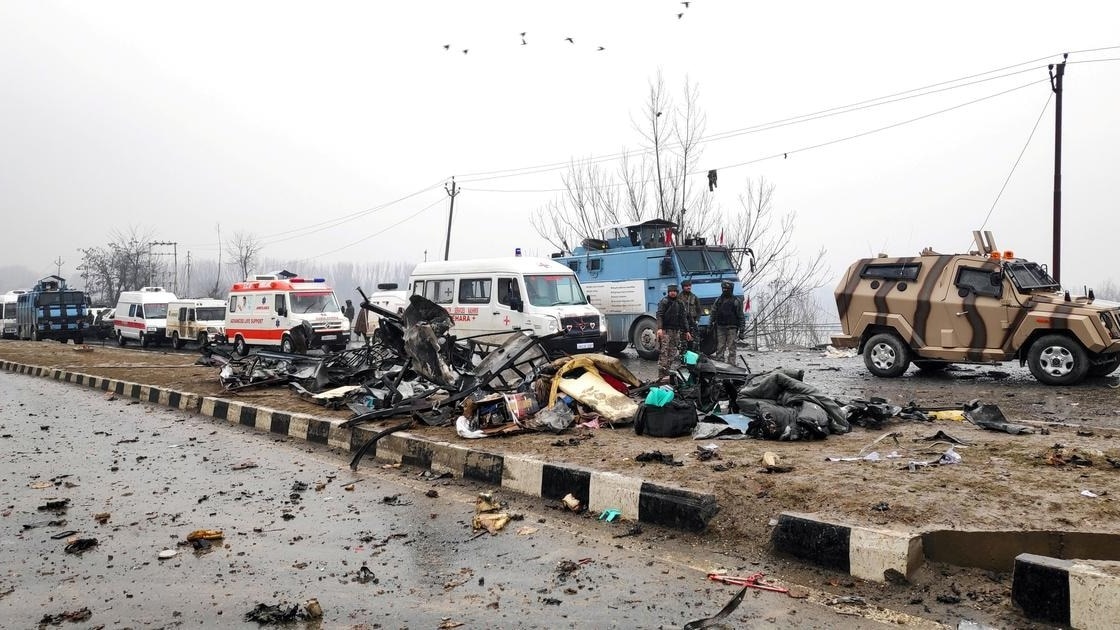
The anniversary of the Pulwama attack is observed across India as a day of mourning and reflection. Marked by solemn ceremonies, moments of silence, and public statements, the day serves as a reminder of the lives lost and the broader security challenges facing the region.
What sparked the observance? In early 2019, a suicide bomber targeted a convoy of Indian security personnel on a highway in the Pulwama district of Jammu and Kashmir. The explosion killed dozens of soldiers and injured many more, making it one of the deadliest attacks on Indian forces in recent history. The incident quickly escalated diplomatic tensions between India and Pakistan, as the militant group responsible was linked to a Pakistan-based organization.
Why the day is called “Black Day” The term "Black Day" is used by officials, media, and citizens to denote a tragic event that left a deep scar on the national psyche. By designating the anniversary as such, the government underscores the severity of the attack and honors the sacrifice of the fallen. Public institutions lower flags, schools hold remembrance programs, and families of the victims gather to pay tribute.
National response and security measures Following the blast, India launched a series of counter‑terrorism operations aimed at dismantling the network behind the attack. Security forces increased patrols along the Line of Control, and intelligence agencies intensified surveillance of suspected militants. The event also prompted a review of convoy protection protocols, leading to upgraded armor and revised routing strategies for high‑risk movements.
International ramifications The attack resonated beyond South Asia. Global security analysts highlighted the incident as a case study in how non‑state actors can provoke interstate conflict. Several foreign ministries issued statements condemning the violence and urging restraint from both India and Pakistan. The episode also fed into broader discussions about the effectiveness of regional counter‑terrorism cooperation and the role of external powers in mediating disputes.
Impact on India‑Pakistan relations Tensions between the two nuclear‑armed neighbors rose sharply after the Pulwama incident. Diplomatic channels were strained, and both sides engaged in a series of retaliatory moves, including airstrikes and heightened military alertness. While subsequent talks have aimed to de‑escalate the situation, the memory of the attack continues to influence public opinion and policy decisions on both sides of the border.
Public sentiment and political discourse Across the country, political leaders from various parties reference the anniversary when discussing national security. The day often becomes a platform for calling for stronger defense spending, reforms in intelligence sharing, and a more assertive foreign policy. Civil society groups, meanwhile, organize vigils that focus on peacebuilding and the need to address the root causes of extremism.
Future security outlook Experts warn that the legacy of the Pulwama attack will shape counter‑terrorism strategies for years to come. Enhanced border monitoring, joint exercises with allied nations, and investments in technology-driven surveillance are expected to feature prominently in upcoming defense plans. Additionally, there is a growing call for addressing socioeconomic grievances in contested regions, as many analysts argue that sustainable peace requires more than just military solutions.
How citizens observe the day In towns and villages throughout Jammu and Kashmir, families gather at local shrines and community centers to light candles and share stories of the fallen. Schools incorporate lessons on civic responsibility and the importance of national unity. Social media platforms see a surge of tribute videos, photographs of memorials, and messages urging unity against terror.
The broader message Marking the anniversary as Black Day serves a dual purpose: it honors those who paid the ultimate price and reinforces a collective resolve to prevent similar tragedies. By keeping the memory alive, the nation seeks to maintain vigilance, foster solidarity, and encourage dialogue aimed at lasting peace.
Looking ahead As the region continues to grapple with security challenges, the observance of this day offers an opportunity for policymakers, security agencies, and citizens to reassess priorities. Whether through diplomatic engagement, community outreach, or strategic defense reforms, the goal remains the same: to ensure that the loss of life on that tragic day is not repeated.
In sum, the remembrance of the Pulwama attack is more than a symbolic gesture; it is a call to action for a nation striving to balance security, justice, and peace.