PM Narendra Modi to Inaugurate Raisina Dialogue 2026 in New Delhi Today
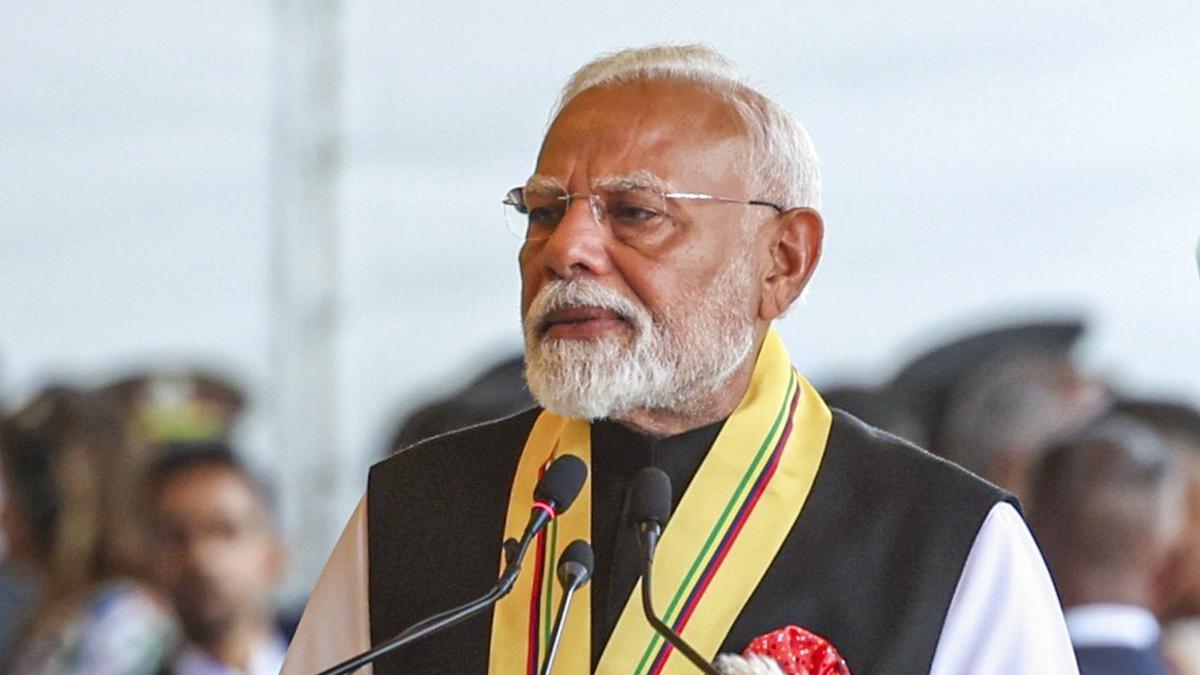
Prime Minister Narendra Modi opened the 2026 edition of the Raisina Dialogue, India's flagship multilateral security forum, in New Delhi. The ceremony marked the start of a three‑day gathering that brings together heads of state, defence ministers, senior diplomats and industry leaders from more than 70 countries. Attendees are expected to discuss a range of topics, from cyber threats and maritime security to emerging technologies and climate‑linked risks.
Why the Raisina Dialogue matters
Since its launch in 2016, the Raisina Dialogue has grown into one of Asia’s most influential platforms for strategic conversation. Hosted by the Ministry of External Affairs, the event aims to provide a neutral space where policymakers can exchange ideas without the pressure of formal diplomatic negotiations. The 2026 edition arrives at a time when global power dynamics are shifting rapidly, making the forum’s role in shaping collective responses even more critical.
Key themes on the agenda
The programme is built around four pillars: security and defence, technology and innovation, climate and sustainability, and economic resilience. Under the security umbrella, participants will examine the evolving nature of hybrid warfare, the rise of unmanned systems, and the challenges posed by contested maritime zones in the Indo‑Pacific. The technology track will focus on artificial intelligence, quantum computing, and the regulation of emerging digital tools that can be weaponised.
Climate change, long recognised as a security multiplier, will feature prominently. Speakers plan to explore how extreme weather events, resource scarcity and migration intersect with traditional defence concerns. Finally, the economic resilience segment will assess supply‑chain disruptions, energy security and the role of public‑private partnerships in building a more robust global economy.
High‑profile attendees and expected outcomes
Among the confirmed participants are the foreign ministers of the United States, Japan, and Australia, as well as senior officials from the European Union and the Association of Southeast Asian Nations. Defence chiefs from the United Kingdom, France and Israel are also slated to speak, highlighting the event’s broad geographic reach.
Industry leaders from the aerospace, cybersecurity and renewable‑energy sectors will join the dialogue, offering practical perspectives on how private innovation can support public security goals. The presence of CEOs from major technology firms signals a growing recognition that the line between commercial tech development and national security is increasingly blurred.
The forum’s concluding session is expected to produce a set of joint statements outlining shared priorities. While the Raisina Dialogue does not issue binding resolutions, its recommendations often influence bilateral and multilateral policy choices in the months that follow.
India’s strategic positioning
By hosting the dialogue, India reinforces its ambition to serve as a central hub for Indo‑Pacific security discussions. Prime Minister Modi highlighted the country’s commitment to a "free, open and inclusive" regional order, echoing themes that have featured in recent diplomatic outreach.
India’s own security challenges—border tensions, maritime disputes in the Indian Ocean and a rapidly modernising defence apparatus—add weight to its role as a convener. The event also provides an opportunity for New Delhi to showcase its latest defence acquisitions and indigenous technology projects, signalling to both allies and rivals the depth of its strategic capabilities.
The timing of the 2026 Raisina Dialogue coincides with heightened competition among major powers for influence in the Indo‑Pacific. As the United States seeks to deepen ties with regional partners, China continues to expand its maritime footprint, and Russia looks to maintain relevance through security cooperation, the forum offers a rare chance for candid exchange.
Analysts suggest that the discussions could pave the way for new security architectures, such as expanded maritime patrol collaborations or joint cyber‑defence exercises. The emphasis on climate‑security linkages may also accelerate funding for resilient infrastructure projects in vulnerable coastal states.
Despite its inclusive format, the dialogue faces the risk of divergent national interests hampering consensus. Disagreements over issues like the regulation of autonomous weapons, data sovereignty and the balance between economic development and environmental protection could surface.
Moreover, the presence of countries with competing claims in the South China Sea may test the forum’s ability to maintain a neutral tone. Observers note that the success of the event will depend on how well participants can separate diplomatic posturing from constructive problem‑solving.
The outcomes of the Raisina Dialogue 2026 are likely to influence policy agendas well beyond the conference walls. Expect to see follow‑up meetings in Washington, Tokyo and Canberra where leaders will translate the forum’s recommendations into concrete actions.
For India, the event serves as both a diplomatic showcase and a testing ground for its own security initiatives. Successful coordination of multinational exercises or joint research projects announced at the dialogue could bolster New Delhi’s standing as a reliable security partner.
In the broader context, the conversation sparked in New Delhi underscores a growing recognition that security challenges are no longer confined to traditional military domains. As technology accelerates, climate impacts intensify and supply‑chain fragilities become more apparent, forums like the Raisina Dialogue will likely remain essential venues for shaping collective responses.
The inauguration of the 2026 Raisina Dialogue by Prime Minister Modi signals a renewed focus on collaborative security in a complex global environment. By gathering a diverse set of voices under one roof, the forum aims to generate ideas that can translate into practical steps toward a more stable and resilient world. While the path ahead is fraught with competing interests, the dialogue’s emphasis on openness, innovation and shared responsibility offers a hopeful blueprint for future international cooperation.