PM Modi speaks to Frances Macron, calls for ‘early restoration of peace’ in West Asia | India News
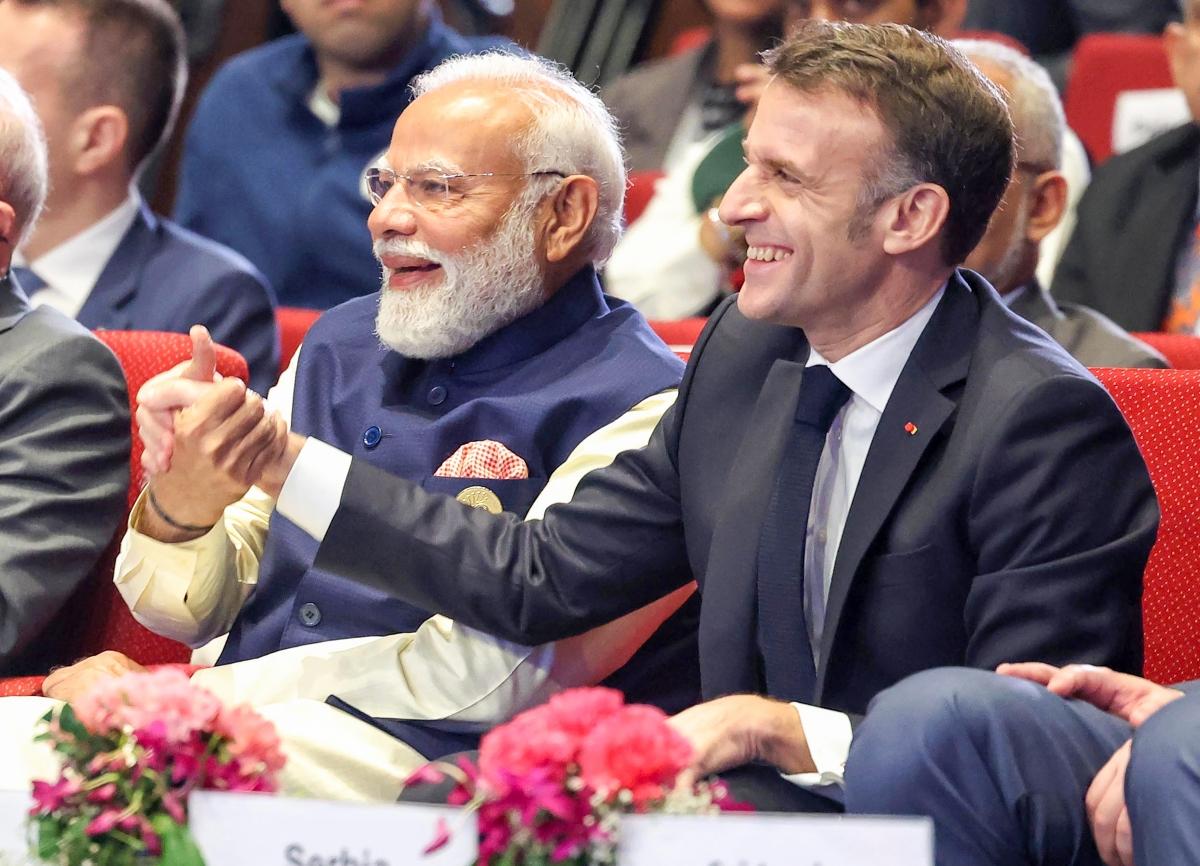
Indian Prime Minister Narendra Modi and French President Emmanuel Macron spoke on the phone to address the worsening violence in West Asia. Both leaders stressed the need for an early restoration of peace and called on the parties involved to avoid further civilian suffering. The conversation, held amid a surge of rocket fire and air strikes, highlights the growing diplomatic pressure on the region.
Background of the conflict The latest round of hostilities began when tensions escalated between Israel and Hamas following a series of cross‑border incidents. Rocket attacks from Gaza and retaliatory strikes by Israel have caused significant casualties on both sides, drawing condemnation from the international community. Humanitarian agencies warn that the situation could spiral into a broader regional crisis if a cease‑fire is not quickly negotiated.
Why the leaders reached out Modi and Macron have previously coordinated on matters of security and trade, but the current crisis prompted a direct dialogue. India, which maintains a strategic partnership with Israel and a growing relationship with the Palestinian Authority, sees stability in the region as essential for its energy security and overseas investments. France, a permanent member of the United Nations Security Council, has long advocated for a two‑state solution and is actively involved in UN‑mediated talks.
Key points from the conversation Both leaders agreed on three immediate steps. First, they urged the conflicting parties to halt all military operations that target civilians. Second, they called for the swift delivery of humanitarian aid to affected populations, emphasizing the role of UN agencies and NGOs. Third, they suggested the formation of a joint diplomatic task force that could work with regional actors such as Egypt, Qatar and Saudi Arabia to broker a sustainable cease‑fire.
International reactions The call has been welcomed by several countries that have been urging restraint. The United States, the United Kingdom and the European Union have all issued statements calling for de‑escalation and the protection of civilian lives. Meanwhile, Iran and Turkey, both influential in the broader Middle‑East dynamics, have expressed skepticism about the effectiveness of external diplomatic pressure, insisting that any solution must respect the rights of the Palestinian people.
Potential pathways to peace Analysts point out that a durable peace will require more than a temporary truce. They stress the importance of addressing core issues such as the status of Jerusalem, the right of return for refugees, and security guarantees for Israel. The involvement of major powers like India and France could add new diplomatic weight, especially if they can mobilize economic incentives or development projects that benefit both sides.
Economic implications The conflict has already disrupted oil shipments through the Red Sea, raising concerns about global energy prices. A prolonged instability could affect shipping lanes that are vital for trade between Asia and Europe. By urging an early restoration of peace, Modi and Macron are also signaling to markets that they are working to protect supply chains and avoid a spike in commodity costs.
Humanitarian outlook On the ground, hospitals in Gaza report shortages of essential medicines, while Israeli communities near the border face the threat of rocket fire. The leaders’ emphasis on humanitarian access aligns with calls from the United Nations for a protected corridor that would allow aid trucks to reach those in need without interference.
What lies ahead The next steps will likely involve diplomatic outreach to regional mediators and the preparation of a framework for negotiations. If the joint task force proposed by Modi and Macron gains traction, it could complement existing UN efforts and provide a fresh avenue for dialogue. However, success will depend on the willingness of both Israeli and Palestinian leadership to compromise, as well as the broader geopolitical climate.
Conclusion The phone conversation between the Indian Prime Minister and the French President underscores the urgency felt by the international community to curb the violence in West Asia. By calling for an early restoration of peace, they have added a notable voice to the chorus of leaders urging restraint and dialogue. While the path to a lasting solution remains fraught with challenges, the combined diplomatic pressure from India, France, and other global actors may help create the conditions needed for a cease‑fire and, eventually, a more comprehensive settlement.