PM Modi Meets Hardeep Puri, S Jaishankar Over LPG Concerns Amid Iran War
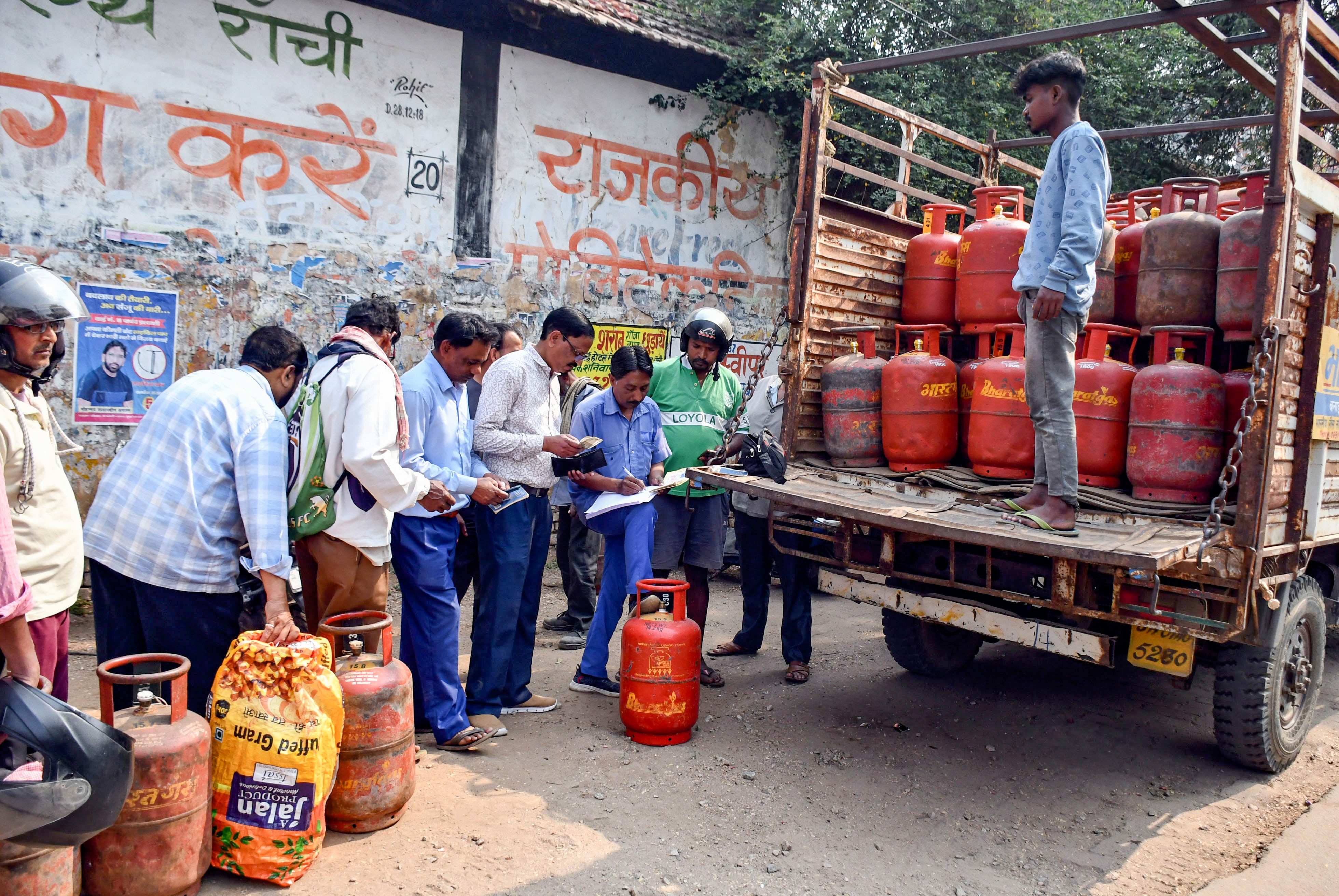
India’s premier faced a growing domestic shortage of liquefied petroleum gas (LPG) as the war in Iran disrupted key supply routes. In a high‑level meeting, the prime minister, senior energy bureaucrat Hardeep Puri and foreign minister S. Jaishankar discussed immediate measures to protect consumers and keep the market stable.
Rising LPG demand LPG is a lifeline for millions of Indian households, powering cooking stoves and small heating appliances. Over the past two years, demand has surged as the government pushes for clean‑fuel adoption and subsidies keep prices affordable. At the same time, the country imports roughly 60 percent of its LPG needs, mainly from the Middle East, the United States and Africa. Any hiccup in those supply chains quickly translates into pressure on domestic inventories and, ultimately, on the price tag paid at the pump.
War in Iran shakes supply chains The escalation of hostilities in Iran has created a volatile environment for maritime trade. Naval confrontations and heightened sanctions have forced many tankers to reroute around the Arabian Sea, adding days to transit times and raising freight costs. Several Iranian LPG shipments scheduled for Indian ports were delayed or cancelled, prompting traders to seek alternative sources at higher prices. The uncertainty has also spooked investors, leading to a thin market where even small shocks can cause price spikes.
High‑level talks in New Delhi The meeting, held at the prime minister’s office, brought together the country’s top energy strategist, Hardeep Puri, and the foreign affairs chief, S. Jaishankar. According to officials, the discussion focused on three core issues: securing immediate cargoes, diversifying the import basket, and communicating a clear policy stance to the public. Both ministers underscored the need for diplomatic engagement with oil‑producing nations to keep trade channels open despite the geopolitical tension.
Government’s short‑term plan Following the talks, the government announced a set of quick‑response actions. First, it will tap strategic reserves held by state‑run oil firms to bridge the shortfall until new shipments arrive. Second, the Ministry of Petroleum and Natural Gas will fast‑track approvals for LPG imports from non‑traditional suppliers such as Brazil and the United States, reducing reliance on the Middle East. Third, the cabinet will monitor retail prices closely and, if necessary, extend the existing subsidy scheme for an additional month to cushion households from sudden hikes.
Broader economic implications LPG price stability is more than a household issue; it influences inflation, industrial costs and the overall fiscal outlook. A sharp rise in cooking fuel costs can push the consumer‑price index higher, prompting the Reserve Bank of India to consider tighter monetary policy. Moreover, small businesses that depend on LPG for operations—such as street food vendors and cold‑storage units—could see profit margins shrink, affecting employment in the informal sector.
International ripple effects India’s move to diversify its LPG sources aligns with a broader global trend of reducing exposure to single‑region risk. Analysts note that the war in Iran could reshape trade patterns for several commodities, not just energy. By engaging diplomatically with a wider set of exporters, New Delhi hopes to signal market resilience and encourage other importing nations to follow suit, potentially easing pressure on global freight rates.
Looking ahead Experts warn that the situation remains fluid. If the conflict in Iran intensifies, shipping lanes could face further disruptions, prompting the government to consider longer‑term solutions such as expanding domestic LPG production or investing in alternative clean‑fuel technologies. In the meantime, officials plan to hold periodic reviews with industry stakeholders to assess inventory levels and adjust policy tools as needed.
Conclusion The prime minister’s meeting with senior officials underscores the urgency of safeguarding India’s energy security amid external shocks. By combining short‑term relief measures with a push for diversified imports, the government aims to keep LPG prices steady and protect vulnerable consumers. How effectively these steps translate into market stability will depend on the evolving geopolitical climate and the ability of Indian agencies to execute the outlined strategies.