PM Modi Makes Historic Touchdown On Northeast's First Emergency Landing Highway
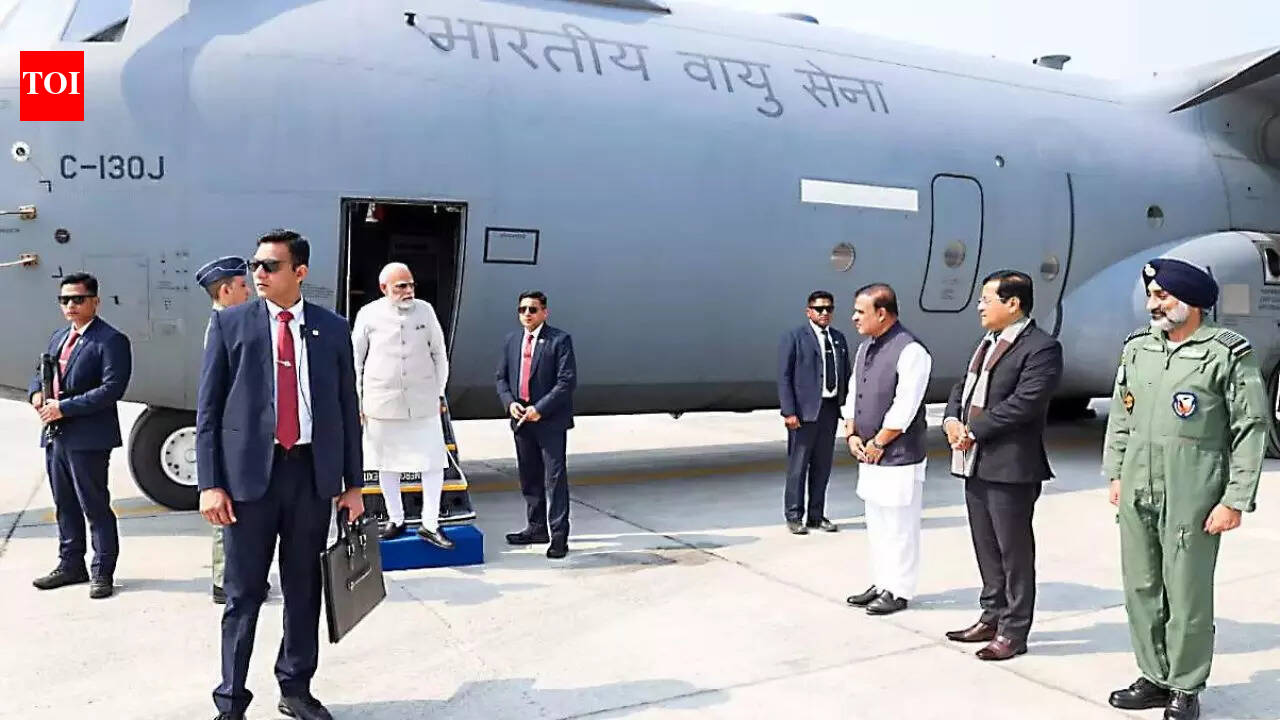
The Prime Minister touched down on a specially designed stretch of highway in India's Northeast, marking the first time a commercial aircraft has used an emergency landing strip built on a public road. The event highlighted a new approach to disaster preparedness and underscored the region's growing strategic importance.
Why a highway was turned into a runway India's northeastern states are prone to heavy monsoon rains, landslides, and occasional earthquakes. In remote areas, conventional airports are often far away or inaccessible during emergencies. To address this gap, the Ministry of Civil Aviation, in partnership with the National Highways Authority, converted a 2.5‑kilometre segment of a national highway into a dual‑purpose corridor. The surface was reinforced, markings were added, and safety zones were cleared to meet international standards for emergency landings.
The flight and the landing A mid‑size commercial jet, carrying a small delegation of officials, approached the highway after a routine flight from the capital. Pilots were briefed on the unique runway specifications, including length, surface texture, and emergency protocols. Using a combination of visual cues and onboard navigation, the aircraft touched down smoothly, rolled to a stop, and taxied back to a designated parking area.
Immediate reactions Security personnel, local police, and a team of engineers were on standby. After the aircraft stopped, the crew performed a quick inspection, confirming that the landing was successful and the runway performed as intended. The Prime Minister later praised the effort, describing the project as a "lifesaver for millions of people who live in hard‑to‑reach places."
Strategic and humanitarian benefits The successful demonstration has several layers of significance:
Rapid disaster response – In the aftermath of a natural calamity, conventional airports may be blocked or damaged. An operational highway runway can receive medical supplies, rescue teams, and evacuation flights within hours. Cost‑effective infrastructure – Building a full‑scale airport in rugged terrain is expensive and time‑consuming. Upgrading existing roadways offers a cheaper alternative while still meeting safety standards. * Military and security use – The dual‑use design allows the armed forces to move troops and equipment quickly, enhancing border security in a region that shares borders with several neighboring countries.
Global context While India is not the first nation to experiment with road‑runways, the scale and official endorsement make this effort noteworthy. Countries such as Sweden, Canada, and the United Arab Emirates have previously tested similar concepts, mainly for military purposes. India's public‑sector focus, however, signals a shift toward civilian disaster relief.
International observers have taken note. A senior analyst at a European think‑tank commented that "the project could serve as a model for other emerging economies facing similar geographic challenges." The United Nations Office for Disaster Risk Reduction (UNDRR) has expressed interest in studying the Indian example for possible inclusion in its global best‑practice repository.
Economic ripple effects Beyond safety, the project may boost local economies. The highway runs through several small towns that have struggled with limited connectivity. Improved road quality and the prospect of occasional air traffic could attract tourism, small‑scale logistics firms, and new investment. Moreover, the construction phase created jobs for local workers, from engineers to laborers.
Potential challenges Experts caution that the concept is not without hurdles. Maintaining a runway‑grade surface on a busy highway requires regular upkeep, which could strain local budgets. Traffic management during an actual emergency landing also poses coordination challenges. Additionally, the safety of passengers and crew depends on strict adherence to weather guidelines; heavy fog or severe rain could render the strip unusable.
Future plans The government has announced that similar emergency strips will be evaluated for other vulnerable regions, including parts of the Himalayas and coastal zones prone to cyclones. A task force is set to draft a standard operating procedure that outlines when and how the highway can be converted for aircraft use, how traffic will be rerouted, and which agencies will take charge.
In parallel, the Ministry of Civil Aviation is exploring the integration of advanced navigation aids, such as portable Instrument Landing Systems (ILS), to allow landings in lower visibility conditions. Training programs for pilots and ground crews are also slated to begin later this year, ensuring that the human element matches the technical upgrades.
Public response Residents along the highway expressed a mix of pride and curiosity. Many see the project as a sign that the central government is paying attention to the region's needs. Local businesses anticipate increased footfall, while community leaders hope that the infrastructure will also improve road safety and reduce travel times.
Conclusion The successful touchdown on a highway runway represents more than a symbolic gesture; it showcases a pragmatic solution to a long‑standing logistical challenge. By turning a stretch of road into a functional emergency airstrip, India is expanding its disaster‑response toolkit, enhancing regional connectivity, and potentially setting a precedent for other nations with similar terrain constraints. The coming months will reveal how the concept matures from a single demonstration to a replicable model, shaping the future of emergency aviation and infrastructure planning.