PM Modi Inaugurates Indias First Ring Metro In Delhi
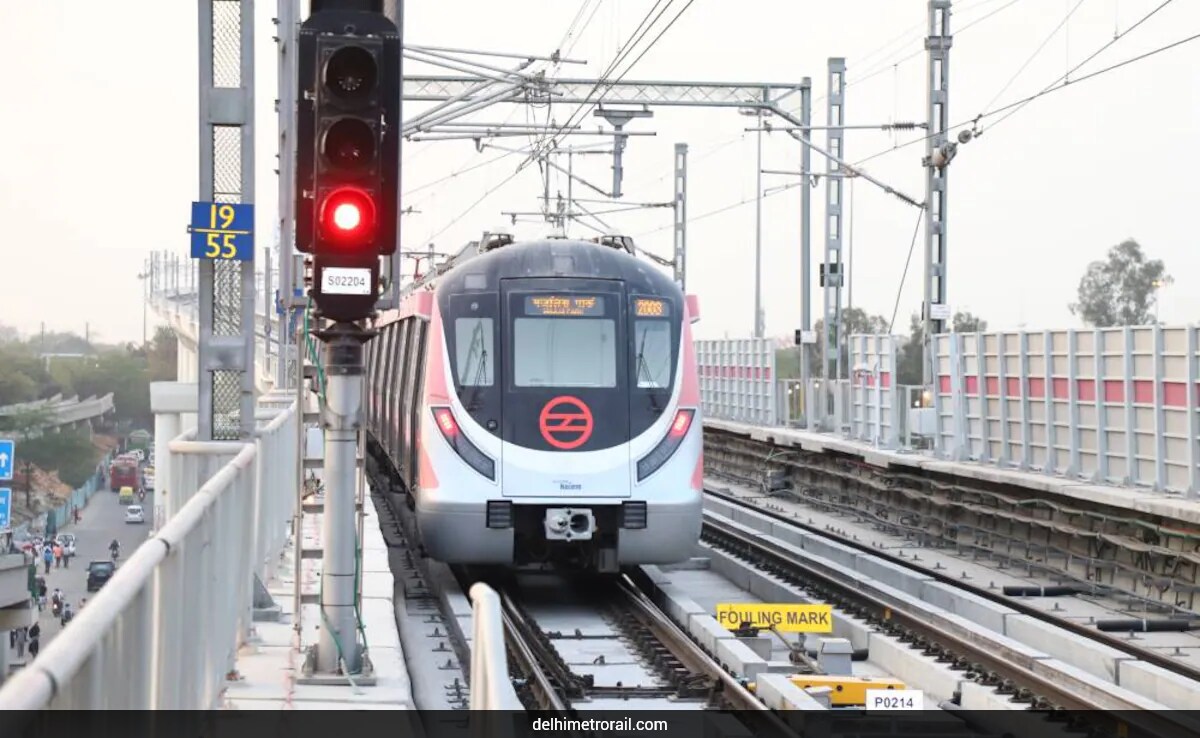
The capital’s new circular rail line opened today, offering commuters a faster, cleaner way to travel around Delhi without having to pass through the city centre. The project, a 21‑kilometre underground and elevated network, is the first of its kind in India and is expected to reshape daily movement for millions of residents.
Why a ring line matters
Delhi’s traffic congestion has long been a challenge for commuters, businesses and the environment. Existing north‑south and east‑west corridors often become bottlenecks during peak hours, forcing drivers onto crowded streets and contributing to air‑quality concerns. A ring metro creates a peripheral loop that links major suburbs, commercial hubs and transit interchanges, allowing passengers to bypass the central business district altogether. By doing so, it reduces pressure on the core network, shortens travel times and offers a viable alternative to private vehicles.
Planning and construction
The concept of a circular rail line dates back to the early 2000s, when urban planners identified the need for a peripheral connector to complement the existing Delhi Metro system. Funding was secured through a mix of central government allocations, state contributions and private‑sector participation. Construction began in 2016, involving complex tunnelling beneath historic neighborhoods, riverbanks and densely populated areas. Engineers employed tunnel‑boring machines and advanced monitoring systems to minimise disruption to surface traffic and protect heritage sites.
Over the past eight years, more than 150,000 workers have contributed to the project, installing tracks, signalling equipment and state‑of‑the‑art trains equipped with energy‑saving regenerative braking. The line features 18 stations, each designed with universal accessibility in mind, including elevators, tactile flooring and real‑time information displays.
Economic and social impact
Early estimates suggest the ring metro could serve up to 500,000 passengers daily within its first year of operation. By providing a rapid, reliable link between residential zones such as Rohini, Dwarka and Noida, the line is expected to stimulate local economies, attract new businesses and raise property values along its corridor. Small‑scale vendors and service providers near stations are already reporting increased footfall, hinting at a broader uplift for the surrounding communities.
The project also aligns with India’s commitment to reduce carbon emissions. By shifting commuters from cars and buses to electric trains, the ring metro could cut thousands of tonnes of CO₂ annually. This environmental benefit complements the nation’s broader climate goals and showcases how large‑scale infrastructure can serve both mobility and sustainability objectives.
Urban centres worldwide face similar challenges of congestion, air pollution and the need for efficient public transport. Delhi’s ring metro offers a case study for other megacities considering peripheral rail solutions. The project demonstrates how political will, coordinated financing and modern engineering can deliver a complex infrastructure piece within a challenging urban fabric.
International observers have highlighted the line’s integration of smart‑city technologies—such as contactless ticketing, AI‑driven crowd management and predictive maintenance—as a blueprint for future transit developments. By sharing lessons learned, Delhi can contribute to a global dialogue on resilient, low‑carbon urban mobility.
Future expansion plans
Officials have outlined a phased approach to extend the ring’s reach beyond its current loop. Proposed extensions include a northern arm that would connect to the upcoming high‑speed rail corridor linking Delhi with the national capital region’s satellite towns. Additionally, plans are under review to integrate the ring line with upcoming bus rapid transit (BRT) corridors, creating a seamless multimodal network.
Long‑term visions also contemplate a second concentric ring that would further distribute passenger loads and support the city’s projected population growth over the next two decades. Such expansions will require continued investment, but the initial success of the first ring is expected to attract both public and private funding.
While the inauguration marks a significant achievement, operational challenges remain. Maintaining punctuality during the initial months, ensuring safety standards, and managing peak‑hour crowding will test the system’s resilience. Authorities have pledged rigorous staff training, regular audits and a responsive customer‑service platform to address commuter concerns.
Affordability is another focal point. Fare structures are being calibrated to balance revenue generation with accessibility for low‑income riders. Subsidies and monthly passes are slated for rollout, aiming to keep the service within reach for a broad demographic.
Commuters who boarded the inaugural train expressed optimism. “It’s faster than the bus and avoids the traffic jams we face daily,” said a daily traveler from Dwarka. Nearby shop owners noted an immediate surge in customers, attributing it to the ease of reaching their stores via the new line.
Social media buzz highlighted the sleek design of the trains, the cleanliness of the stations and the convenience of real‑time updates on mobile apps. Such positive sentiment bodes well for ridership growth and public acceptance.
The launch of Delhi’s first ring metro represents more than a new transit option; it signals a strategic shift toward integrated, sustainable urban mobility. By easing congestion, cutting emissions and fostering economic activity along its corridor, the line sets a precedent for other Indian cities and offers valuable insights for global planners. As the system settles into regular operation and future extensions take shape, its impact will likely reverberate far beyond the capital, illustrating how focused infrastructure investment can drive both local improvement and broader, worldwide progress in public transportation.