PM Modi Breaks Records, Becomes First World Leader To Cross 100 Million Followers On Instagram
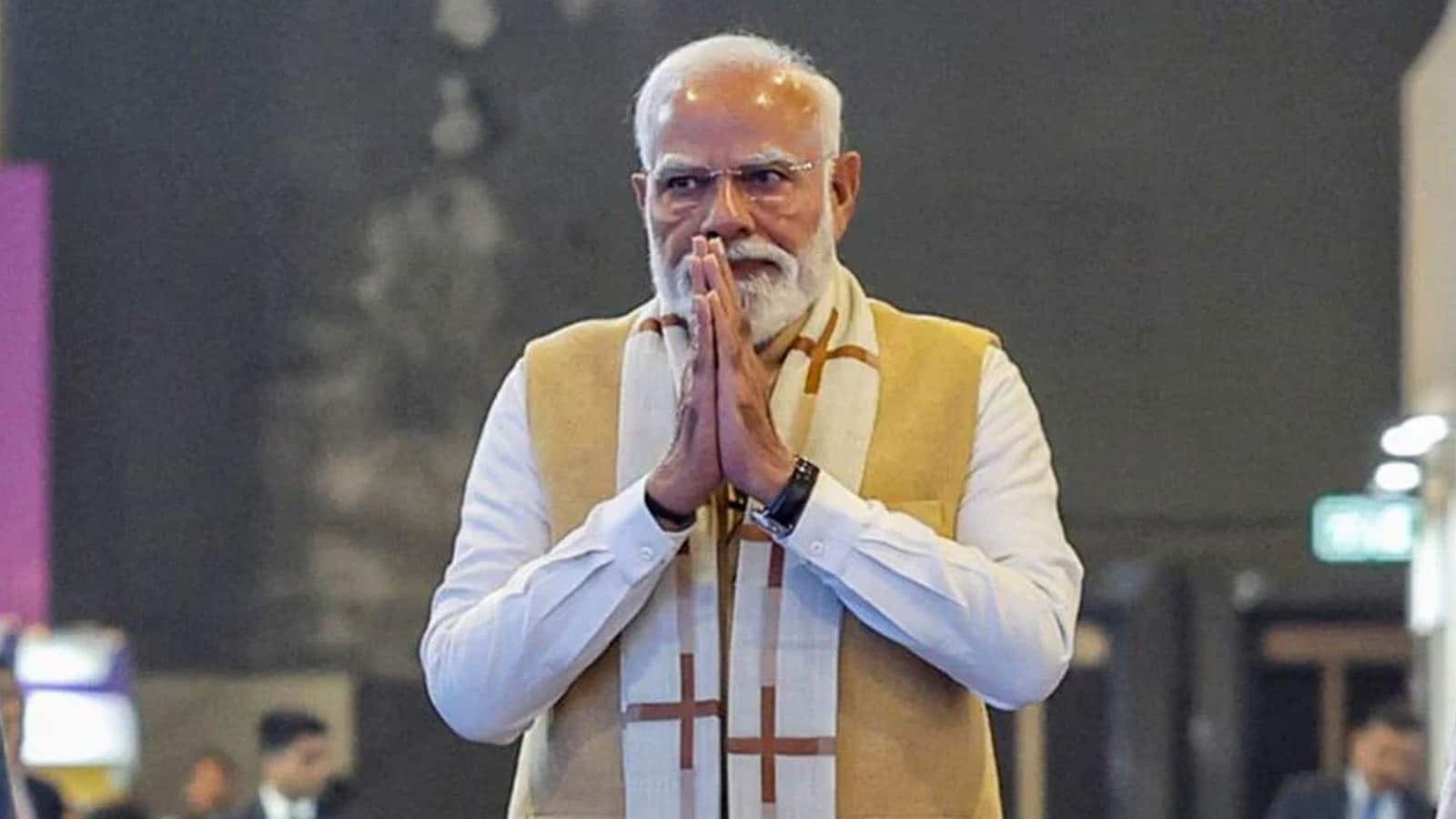
The Indian prime minister has reached a milestone that no other head of state has achieved: more than 100 million followers on Instagram. The figure, verified by the platform’s public metrics, makes him the first world leader to cross the three‑digit‑million mark on the visual‑media network.
A rapid rise on a visual platform
The prime minister’s Instagram account was launched several years ago, but follower growth accelerated after the platform became a primary channel for political communication worldwide. Early posts focused on official ceremonies and policy announcements. Over time, the account began to feature behind‑the‑scenes images, personal moments, and short videos that showcase the leader’s travel, cultural events, and interactions with citizens. The mix of official content and relatable snapshots has helped the account attract a broad audience that includes both supporters and casual observers.
How the record compares globally
Before this achievement, the most‑followed political figures on Instagram were leaders from the United States, Brazil, and the United Kingdom, each hovering around the 50‑million‑follower range. The new benchmark of 100 million places the Indian prime minister well ahead of those peers. It also surpasses the follower counts of many global celebrities, athletes, and entertainers, underscoring the growing importance of social media as a platform for public figures.
Why the number matters
Reaching 100 million followers is more than a vanity metric. It signals a level of direct engagement that bypasses traditional media filters. When a leader can address millions of people instantly, the dynamics of political messaging shift. The audience can react in real time, share content, and amplify messages across borders. For governments, this offers a powerful tool for shaping narratives, promoting policies, and responding to crises.
The milestone also reflects India’s massive online population. With a young demographic that spends a significant portion of its day on smartphones, the country has become a key market for social‑media platforms. The leader’s ability to tap into that digital habit demonstrates an understanding of how citizens consume information today.
Potential impact on political communication
The record may encourage other world leaders to invest more heavily in visual social platforms. While some governments have been cautious about direct engagement, the success of this account shows that a well‑managed presence can build a personal connection with voters and increase transparency. However, the rise of such channels also raises questions about the spread of misinformation, echo chambers, and the balance between personal branding and official state communication.
Experts suggest that the trend could lead to a more fragmented media environment. As leaders craft messages for platforms like Instagram, Twitter, and TikTok, each channel may develop its own style and audience. This diversification could make it harder for citizens to receive a unified view of policy decisions, but it also offers opportunities for targeted outreach and education.
Social media and diplomatic outreach
Beyond domestic politics, a large follower base provides a new avenue for diplomatic engagement. International leaders can comment on global events, share goodwill messages, and highlight collaborative projects directly to a worldwide audience. The visibility of a 100‑million‑strong following may increase the weight of such posts in the international arena, influencing public opinion across borders.
Challenges and responsibilities
With great reach comes heightened scrutiny. Every post is examined for tone, accuracy, and political implication. Critics argue that the platform’s algorithmic nature can prioritize sensational content over nuanced policy discussion. The prime minister’s team has faced calls for greater transparency regarding the curation of posts and the handling of comments.
Moreover, the platform’s policies on political advertising and misinformation place a responsibility on high‑profile accounts to adhere to community standards. Failure to do so could result in content removal or account restrictions, which would have diplomatic repercussions.
The achievement marks a turning point in how political leaders interact with the public. As more governments recognize the power of visual social media, we can expect a surge in creative content, live‑streamed events, and interactive Q&A sessions. The Indian prime minister’s milestone may serve as a case study for political communication courses and digital strategy workshops worldwide.
In the short term, the leader’s team is likely to continue leveraging the platform for policy promotion, cultural outreach, and real‑time updates during national events. In the longer term, the record could inspire regulatory discussions about the role of social media in elections, public discourse, and international relations.
Crossing the 100‑million‑follower threshold on Instagram places the Indian prime minister at the forefront of a new era in political communication. The milestone reflects both the scale of India’s digital audience and the strategic use of visual media to connect with citizens. As other world leaders observe this development, the balance between direct engagement and responsible messaging will become a central theme in the evolving relationship between politics and social platforms.