Pawan Kalyan Launches Hanuman Project, What Is It About?
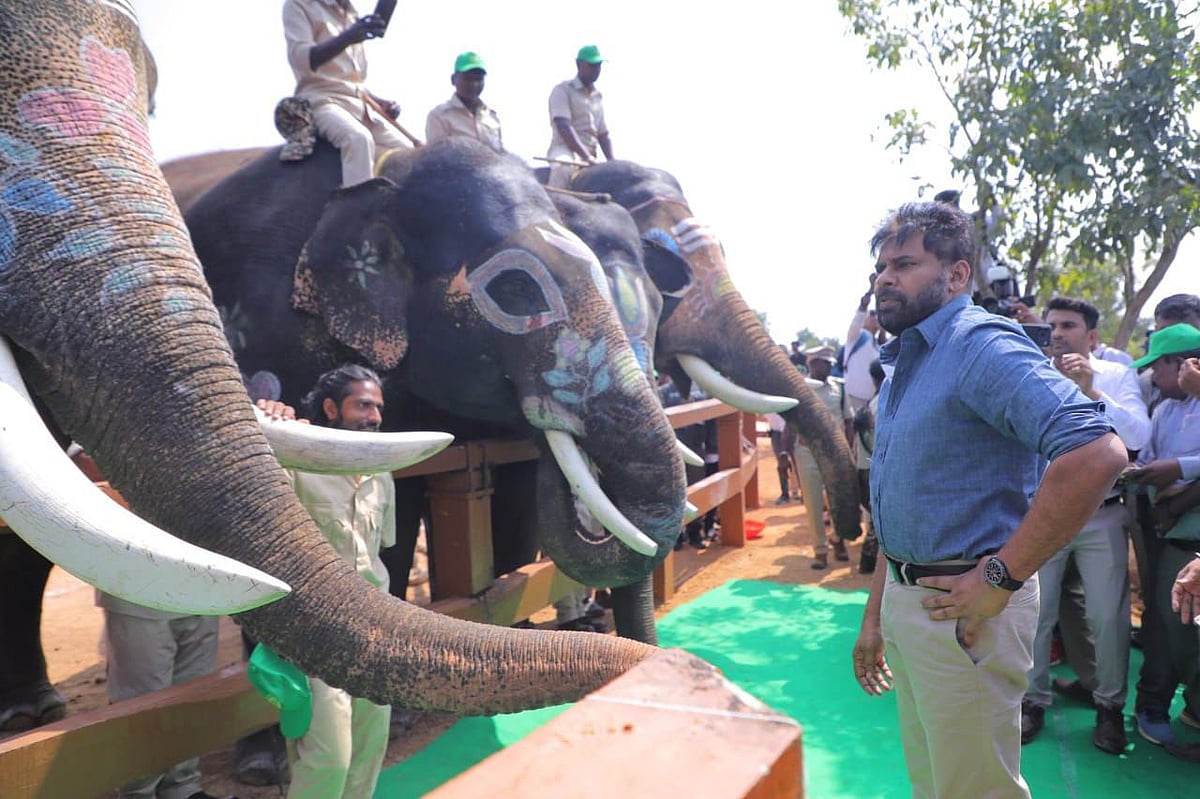
Pawan Kalyan, a well‑known film star and political leader in India, announced a new social initiative called the Hanuman Project. The launch was made at a public event that attracted media attention and a crowd of supporters. The project is presented as a multi‑layered effort to improve education, health services and disaster response in underserved communities across the country.
Born in 1971, Pawan Kalyan rose to fame as an actor in Telugu cinema before entering politics in the early 2000s. He founded the Jana Sena Party, which positions itself as a voice for the common people. Over the years, Kalyan has been involved in several charitable activities, but the Hanuman Project marks his most organized and publicly funded venture to date. By attaching his personal brand to a structured program, he hopes to attract both private donors and government support.
The core pillars of the Hanuman Project
The initiative is built around three main pillars:
Education: The project will set up 150 digital learning centers in rural districts. Each center will provide internet access, tablets and a curriculum that blends government standards with skill‑based training. Scholarships for higher education are also part of the plan, targeting students from low‑income families.
Health: Mobile clinics will travel to remote villages on a weekly schedule. These clinics will offer basic medical check‑ups, vaccinations and health‑awareness workshops. The project also aims to partner with local hospitals to create a referral network for more serious cases.
Disaster relief: Recognizing that many Indian states face frequent floods, cyclones and droughts, the Hanuman Project will maintain a stockpile of emergency supplies. A rapid‑response team will be trained to coordinate with state disaster agencies, ensuring quicker delivery of food, clean water and temporary shelters.
Why the project matters beyond India
While the Hanuman Project is focused on Indian communities, its design reflects several global development trends. First, the emphasis on digital education aligns with the United Nations Sustainable Development Goal 4, which calls for inclusive and equitable quality education. Second, the mobile health model mirrors successful community‑health programs in Africa and Latin America, showing that low‑cost, high‑reach solutions can improve outcomes where permanent facilities are scarce.
Third, by linking disaster relief to a permanent organization rather than ad‑hoc charity drives, the project introduces a level of preparedness that many governments worldwide are still trying to achieve. If the model proves effective, it could be adapted by NGOs and public agencies in other disaster‑prone regions.
Funding and partnerships
The launch announcement highlighted a mixed‑funding approach. An initial seed fund of 200 million rupees will come from the Jana Sena Party’s treasury, supplemented by contributions from private donors, corporate social responsibility (CSR) programs and a crowdfunding platform managed by the project’s team. Early partners include a leading Indian telecom company that will provide internet connectivity for the learning centers, and a multinational pharmaceutical firm that will supply medicines for the mobile clinics.
Transparency is a key promise. The project’s website will publish quarterly financial statements and impact reports. An independent audit firm has been contracted to verify the use of funds, a step that aims to build trust among skeptics who question the motives of celebrity‑driven charities.
Implementing a nationwide program of this scale is not without obstacles. Logistics in remote areas can be difficult, especially during monsoon season when roads become impassable. Recruiting qualified teachers and health workers willing to work in isolated villages may also pose a problem. Moreover, the political landscape in India can affect the continuity of projects that are closely tied to a single individual’s public image.
To mitigate these risks, the Hanuman Project plans to train local volunteers as community ambassadors. These ambassadors will handle day‑to‑day operations, reducing reliance on external staff and fostering local ownership of the initiative.
If the first phase meets its targets—establishing 150 learning centers, deploying ten mobile clinics and creating a functional disaster‑relief hub within two years—the project intends to expand to neighboring states. The long‑term vision includes a network of 500 centers, a national health‑mobile fleet and a disaster‑response framework that can be activated across state borders.
Success could also influence policy. By demonstrating measurable improvements in school attendance, health outcomes and disaster response times, the Hanuman Project may provide data that encourages government agencies to adopt similar models or to allocate more budget to community‑based programs.
Global relevance and public perception
The launch has sparked conversation on social media platforms, where users are debating the role of celebrities in public service. Some praise Kalyan’s willingness to put his reputation on the line for a cause, while others remain cautious, asking for proof of impact before endorsing the effort.
International observers note that the project’s structure mirrors successful public‑private partnerships seen in other countries. If the Hanuman Project can deliver on its promises, it may become a case study for how high‑profile individuals can mobilize resources and attention for sustainable development goals.
The Hanuman Project represents a bold attempt to blend fame, politics and social welfare into a single, organized effort. Its focus on education, health and disaster preparedness addresses three of the most pressing needs in many Indian communities. While challenges remain, the project’s transparent funding model, strategic partnerships and emphasis on local involvement give it a realistic chance of making a lasting impact. Observers worldwide will be watching to see whether the initiative can turn its ambitious blueprint into measurable change, potentially offering a replicable model for other regions seeking to bridge the gap between celebrity influence and tangible social progress.