Parliament Budget Session Day 11 LIVE: Finance Minister Nirmala Sitharaman replies to budget debate in Rajya Sabha
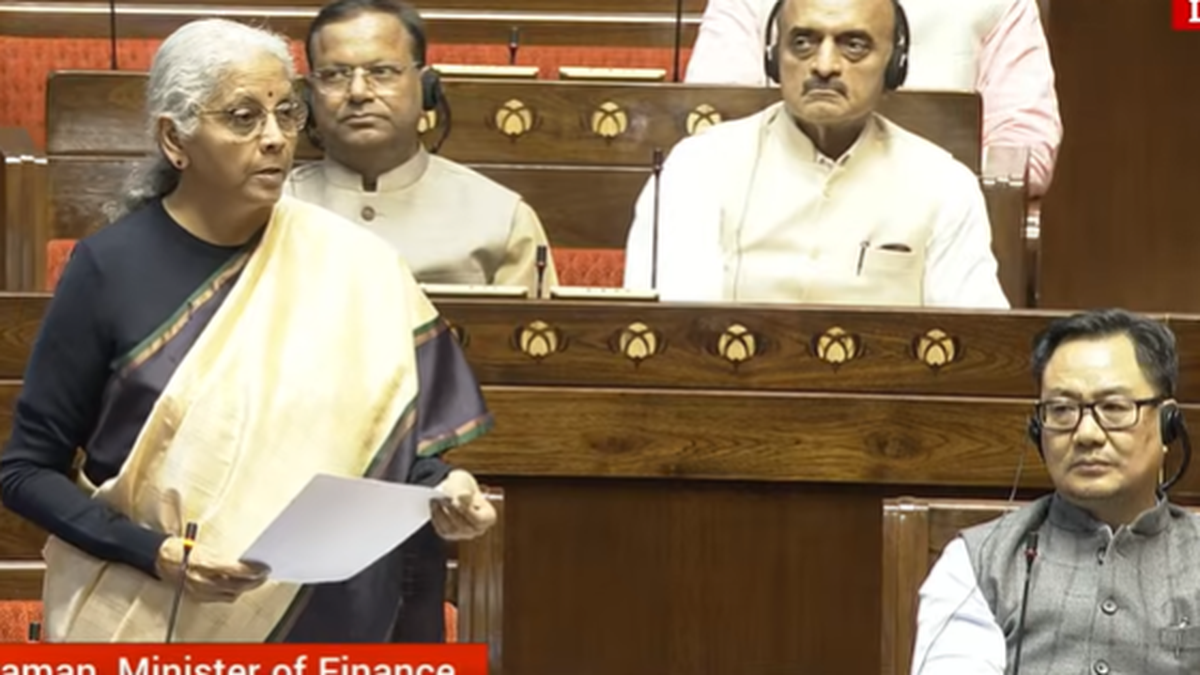
The national parliament concluded its eleventh budget session by approving the Industrial Relations Code (Amendment) Bill, 2026. Lawmakers in both the lower and upper houses voted in favor after a short but focused discussion. The amendment is set to reshape how employers and employees interact, aiming to reduce disputes and improve the country’s business environment.
The original Industrial Relations Code was introduced three years ago to consolidate earlier labor statutes. While it brought many rules under one umbrella, critics argued that it left gaps in dispute resolution and did not keep pace with the rise of gig work and digital platforms. Over the past year, ministries, trade unions, and industry groups submitted recommendations for change, prompting the government to draft the current amendment.
Key provisions of the amendment focus on three areas. First, it streamlines the process for resolving industrial disputes by creating a single online portal where complaints can be filed and tracked. Second, it expands the definition of “worker” to include platform‑based employees, granting them similar protections as traditional staff. Third, it introduces a flexible framework for collective bargaining, allowing agreements to be tailored to sector‑specific needs while still preserving core labor rights. The bill also reduces the mandatory notice period for layoffs in certain low‑skill sectors, a point that has drawn both praise and criticism.
Parliamentary proceedings were unusually brief. In the lower house, the bill was introduced, debated for just under ten minutes, and passed with a clear majority. The upper house followed the same pattern, with members highlighting the need for swift action to boost investor confidence. No amendment was tabled during the debate, and the final vote recorded overwhelming support, reflecting a consensus that the changes are timely.
Government leaders welcomed the outcome, describing the amendment as a "balanced step forward" that protects workers while giving businesses the certainty they need to plan ahead. Opposition parties, while generally supportive, raised concerns about the reduced notice period for layoffs, warning that it could leave vulnerable workers exposed. They called for a monitoring committee to ensure that the new rules are applied fairly and do not erode basic employment protections.
For businesses, the amendment promises clearer guidelines and faster dispute resolution, which could lower legal costs and reduce production downtime. Companies operating in the gig economy will now have a defined legal framework, helping them to formalize contracts with platform workers. However, firms will need to invest in new compliance systems, particularly the online portal for filing grievances, and may need to adjust human‑resource policies to align with the revised notice requirements.
Workers stand to gain from stronger recognition of platform‑based employment and a more accessible dispute mechanism. The online portal is expected to cut down the time it takes to lodge a complaint, and the expanded definition of worker means that many freelancers and ride‑share drivers will now enjoy basic labor rights such as minimum wage guarantees and safety standards. Trade unions have welcomed the collective bargaining flexibility, noting that it could lead to sector‑specific agreements that better reflect the realities of modern work.
Internationally, the amendment aligns the country with a growing trend of updating labor laws to address the digital economy. Nations such as Canada, Germany, and Japan have recently introduced similar measures to protect gig workers while maintaining a business‑friendly climate. Analysts suggest that the reform could improve the country's ranking in global ease‑of‑doing‑business indexes, potentially attracting foreign direct investment in technology and services sectors.
Implementation will be overseen by the Ministry of Labour and Employment, which has set a six‑month timeline for the rollout of the online dispute portal and the issuance of detailed guidelines for employers. A joint committee comprising government officials, employer representatives, and labor union leaders will be tasked with reviewing the bill’s impact after one year and recommending any further adjustments.
The passage of the Industrial Relations Code (Amendment) Bill marks a pivotal moment for the nation’s labor market. By modernizing legal definitions, simplifying dispute resolution, and offering flexible bargaining options, the amendment seeks to balance the needs of workers and businesses. Its success will depend on effective implementation and ongoing dialogue among all stakeholders, but the swift parliamentary approval signals a strong political will to adapt the labor framework to a rapidly changing economy.