Parliament Budget Session Day 11 LIVE: Finance Minister Nirmala Sitharaman replies to budget debate in Rajya Sabha
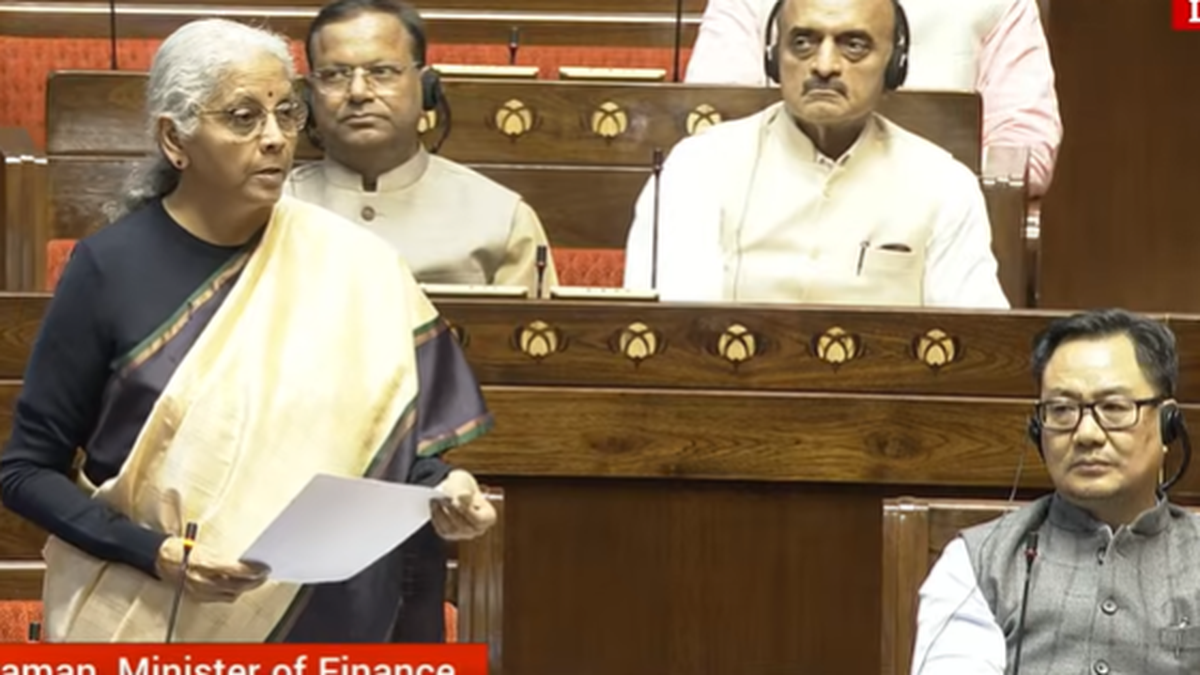
The upper house of Parliament began its eleventh day of the budget session by taking up the Industrial Relations Code (Amendment) Bill, 2026. Lawmakers spent the morning discussing the proposal, which seeks to overhaul existing labour regulations and create a more flexible environment for employers and workers alike.
India’s industrial relations framework has been in place for more than a decade, but rapid changes in technology, gig‑economy work models and global supply chains have exposed gaps. The amendment bill aims to address those gaps by simplifying dispute resolution, redefining the definition of a "worker", and granting greater leeway for contract and temporary employment. Proponents argue that the changes will boost foreign direct investment, reduce litigation costs, and help the country meet its manufacturing growth targets.
Key provisions under debate
- Redefinition of employment categories – The bill proposes a clear distinction between permanent, fixed‑term and gig workers. This is expected to give employers the ability to hire on project‑basis without triggering the full suite of benefits reserved for permanent staff. - Streamlined dispute mechanisms – A new three‑tier system of conciliation, arbitration and adjudication is introduced to replace the current, often‑cited lengthy court processes. The aim is to settle industrial disputes within 90 days. - Relaxed thresholds for layoffs – The amendment raises the employee‑count threshold for requiring prior government approval before large‑scale layoffs, moving from 100 to 300 workers in a single establishment. - Enhanced skill‑development incentives – Companies that invest in upskilling their workforce will be eligible for tax rebates and priority access to government training schemes.
During the session, several members raised concerns about the potential erosion of job security. A senior opposition MP warned that lowering the layoff threshold could leave vulnerable workers exposed to sudden terminations, especially in sectors prone to seasonal fluctuations. In response, a government spokesperson highlighted that the bill includes safeguards such as mandatory notice periods and severance packages, even for contract workers.
Global context and comparisons
Many emerging economies are revisiting their labour codes to stay competitive. For instance, Indonesia recently introduced a flexible work law that allows companies to engage temporary staff for up to six months without full benefits. Similarly, Brazil’s recent reforms have shortened the notice period for large‑scale layoffs. By aligning its industrial relations framework with these trends, India hopes to signal to multinational corporations that it can offer a predictable, business‑friendly environment while still protecting core worker rights.
International investors have taken note. A leading global consulting firm released a brief earlier this week stating that the amendment, if passed, could improve India’s Ease of Doing Business ranking by up to five points. The firm also pointed out that clearer dispute‑resolution mechanisms reduce the risk premium that investors attach to long‑term projects in the country.
Potential economic impact
Analysts estimate that a smoother industrial relations landscape could unlock up to $30 billion in incremental investment over the next five years. Sectors such as automotive manufacturing, electronics assembly and renewable‑energy infrastructure stand to benefit the most, as they rely heavily on flexible supply chains and project‑based hiring.
On the labour side, the bill’s emphasis on skill development is expected to create a pipeline of trained workers for high‑value jobs. The tax incentives for upskilling could encourage small and medium enterprises to partner with vocational institutes, thereby widening the talent pool.
However, critics caution that the benefits may not be evenly distributed. Informal workers, who already lack formal contracts, could find themselves further marginalized if the definition of a "worker" becomes too narrow. Trade unions have called for a separate safety net that would guarantee minimum wages and health benefits regardless of contract type.
Next steps in Parliament
The bill will now move to the Committee on Labour for detailed examination. The committee is expected to invite testimony from industry bodies, trade unions, and legal experts. After the committee report, the amendment will be taken up again in the Rajya Sabha for a vote, followed by consideration in the Lok Sabha.
If the amendment clears both houses, it will require presidential assent before becoming law. Given the tight timeline of the current budget session, lawmakers are likely to aim for a swift passage to align with the upcoming fiscal year’s policy rollout.
What this means for businesses and workers
For companies, the amendment promises a more predictable regulatory environment. Faster dispute resolution and clearer hiring rules could reduce compliance costs and enable quicker scaling of operations. For workers, the bill offers both opportunities and challenges. While the skill‑development incentives could open pathways to higher‑pay roles, the expanded use of contract labour may raise concerns about job stability.
Stakeholders are advised to monitor the committee’s recommendations closely. Companies should begin reviewing their employment contracts and labour‑relation practices to ensure alignment with any new provisions. Trade unions, meanwhile, may need to negotiate collective agreements that incorporate the bill’s flexibility while safeguarding essential worker protections.
The Industrial Relations Code (Amendment) Bill, 2026 marks a pivotal step in India’s effort to modernize its labour framework. By balancing the need for flexibility with safeguards for workers, the legislation seeks to position the country as an attractive destination for investment while addressing the evolving nature of work. The outcome of the parliamentary debate and subsequent committee review will shape how quickly these changes take effect and determine their real‑world impact on the Indian economy and its workforce.