Pariksha Pe Charcha: The charcha that eased pariksha
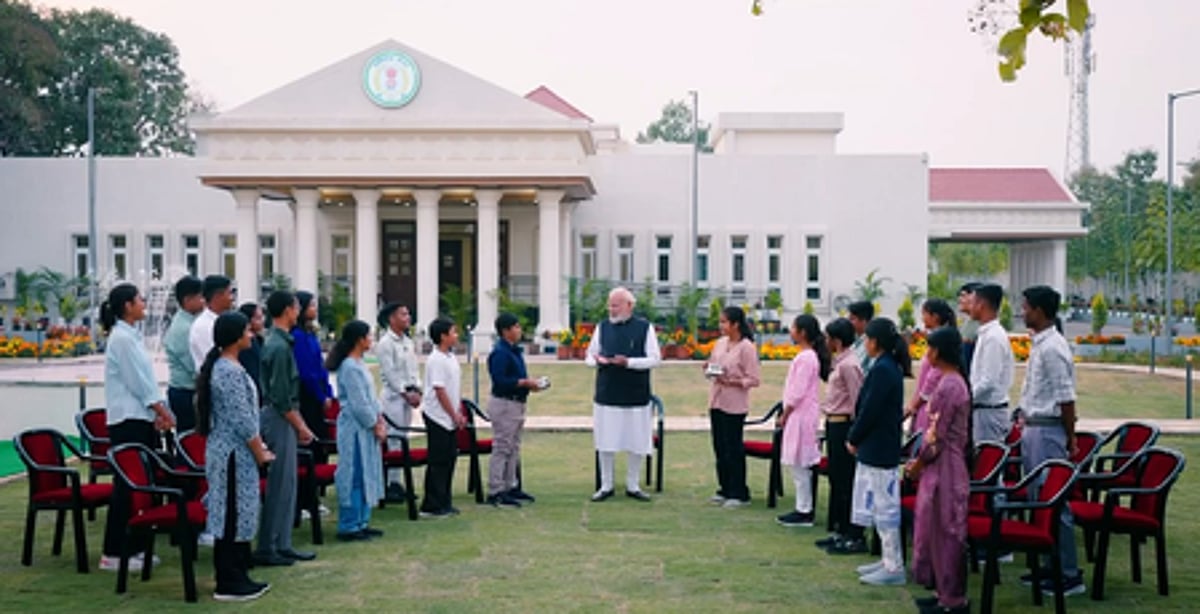
India’s annual "Pariksha Pe Charcha" (Discussion on Exams) has become a landmark event that brings together students, educators, psychologists and policymakers to talk openly about exam stress. The latest session, held virtually and attended by millions of school‑age children, offered practical tips, shared personal experiences and highlighted the importance of mental well‑being during high‑stakes testing. By turning a traditionally silent struggle into a public conversation, the initiative is reshaping how societies view academic pressure.
Background The concept was launched in 2018 by the Prime Minister’s Office as a response to rising reports of anxiety, depression and even suicides linked to competitive exams in India. Earlier attempts to address the issue were limited to school counseling programs, which often lacked scale and visibility. "Pariksha Pe Charcha" was designed to break the stigma around discussing mental health, provide a national platform for experts, and encourage students to share coping strategies without fear of judgment.
The Event The most recent edition featured a panel of child psychologists, veteran teachers, former toppers and representatives from the Ministry of Education. Over a two‑hour live stream, participants asked questions through a moderated chat, while the panel offered evidence‑based advice on time management, sleep hygiene, and mindfulness. Short video clips of students describing how they overcame exam nerves added a personal touch, making the discussion relatable for viewers across urban and rural areas.
Key Takeaways for Students Experts emphasized three practical steps: planning study schedules with realistic goals, incorporating short breaks for physical activity, and practicing breathing exercises before starting a paper. They also warned against the myth of "last‑minute cramming," citing research that shows spaced repetition improves long‑term retention. A recurring message was the need to view exams as a learning checkpoint rather than a life‑defining moment, encouraging students to adopt a growth mindset.
Impact on Schools Following the charcha, several state education boards announced pilot programs that embed mental‑health modules into the regular curriculum. Teachers received training on recognizing signs of stress and on facilitating classroom discussions about emotions. Early feedback indicates a modest drop in absenteeism during exam weeks and a rise in student confidence, suggesting that the conversation is translating into measurable behavioral changes.
Global Relevance While the initiative is rooted in India’s massive education system, its core principles resonate worldwide. Countries facing similar pressures from high‑stakes testing—such as South Korea, China and the United Kingdom—have expressed interest in adapting the model. The event’s digital format allows for easy replication, and the emphasis on evidence‑based strategies aligns with international best practices in adolescent mental health.
Future Outlook Organizers plan to expand the charcha into a year‑round series, featuring topics like career planning, digital distractions and inclusive education for students with learning differences. There is also talk of creating a multilingual resource hub, ensuring that students from non‑Hindi speaking regions can access the same support. Long‑term goals include integrating the conversation into national assessment policies, so that mental‑wellness metrics become part of school performance dashboards.
Challenges Ahead Scaling the initiative poses logistical hurdles. Rural schools often lack reliable internet, limiting live participation. Moreover, changing deep‑seated cultural attitudes toward academic perfection will require sustained effort beyond a single televised event. Critics argue that without concrete policy changes—such as reducing the number of high‑stakes exams—the conversation may remain symbolic.
Conclusion "Pariksha Pe Charcha" demonstrates how a focused, empathetic dialogue can shift public perception and inspire concrete actions to reduce exam‑related stress. By blending expert guidance with real‑life student stories, the event offers a template for other nations grappling with similar challenges. As the conversation evolves into ongoing programs and policy reforms, the hope is that future generations will face exams with confidence, not fear, and that the lessons learned will influence education systems around the globe.