Pakistan says Imran Khan rejected 'serious deals' twice for release from jail
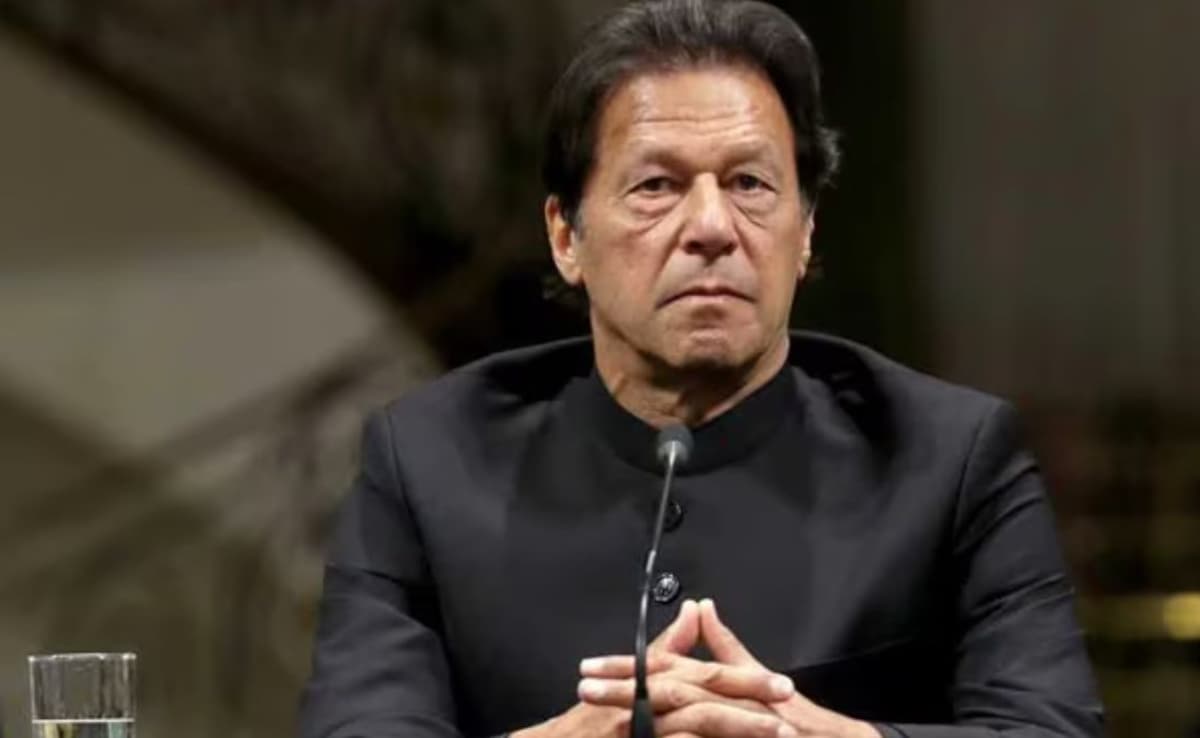
Former Pakistani prime minister Imran Khan has reportedly refused two separate proposals that could have secured his early release from detention, according to statements from government officials. The refusals, described as "serious" by authorities, have added another layer of uncertainty to a political drama that has already drawn regional and global attention.
Background of the case
Khan, a former cricket star turned politician, was arrested on corruption charges earlier this year. His detention has sparked massive street protests, a wave of legal challenges, and heated debate over the independence of Pakistan's judiciary. Supporters view the case as a politically motivated attempt to sideline a popular leader, while critics argue that the former premier must face the law like any other citizen.
Since the arrest, the government has faced pressure to demonstrate that the legal process is transparent and fair. International observers, including human‑rights groups, have called for clear evidence and due process. In this climate, any suggestion of a negotiated release has been closely scrutinized.
Officials say that two distinct proposals were put forward to the former prime minister. The first, delivered through a senior minister, allegedly involved a conditional bail arrangement that would have required Khan to refrain from public rallies and political activity for a set period. The second offer, according to a spokesperson from the Ministry of Law, was said to be a broader political settlement that would have included a temporary suspension of certain charges in exchange for a pledge to support a national unity agenda.
Both proposals, as described by the government, were presented as "serious" and "mutually beneficial" attempts to de‑escalate a volatile situation. However, Khan's legal team and close advisors reportedly declined each offer, citing concerns that any compromise would undermine the legitimacy of the legal process and betray the expectations of his supporters.
In a press briefing, a senior official emphasized that the state remains committed to the rule of law. "We have extended every reasonable avenue for a negotiated solution, but the former prime minister has chosen to continue his legal battle," the official said. The statement also warned that continued obstruction could lead to further legal action, including additional charges.
The government has reiterated that the judiciary will determine the outcome based on evidence, not political bargaining. Yet the repeated mention of the rejected offers signals an effort to portray the administration as willing to compromise, while also placing the onus of any stalemate on Khan himself.
Implications for Pakistan's politics
Khan's refusal to accept the deals has several potential consequences. Domestically, it may energize his base, which views the rejection as a stand against perceived state overreach. Protest rallies have already surged in major cities, with chants demanding his immediate release and calling for new elections.
Conversely, the continued impasse could deepen political polarization. Opposition parties, many of which have aligned with Khan's movement, risk being labeled as obstructionist if the legal process drags on without resolution. Meanwhile, the ruling coalition may face criticism for perceived heavy‑handedness, especially if international bodies continue to question the fairness of the proceedings.
International perspective
The episode has not gone unnoticed abroad. Regional powers, including India and Saudi Arabia, have issued cautious statements urging a transparent legal process while respecting Pakistan's sovereignty. Western governments have expressed concern over the broader impact on democratic norms in South Asia, noting that prolonged unrest could affect economic stability and security cooperation.
Investors have responded with heightened caution. The Pakistani rupee has shown modest depreciation, and foreign direct investment inflows have slowed as analysts await clearer signals about the country's political trajectory.
Legal experts suggest that the next phase will likely involve a series of court hearings to examine the evidence against Khan. If the judiciary finds the case compelling, a conviction could lead to a longer sentence, further inflaming public dissent. Alternatively, a dismissal or acquittal could open the door to negotiated political settlements, though such outcomes remain speculative.
For the government, the challenge is to balance the enforcement of law with the need to maintain public order. Continued dialogue with civil society groups, transparent communication about judicial proceedings, and a willingness to address legitimate grievances could help defuse tensions.
Khan's own strategy appears to be focused on maintaining a narrative of resistance. By rejecting any conditional release, he reinforces the image of a leader standing firm against what he portrays as an unjust system. Whether this approach will translate into lasting political capital depends on how the legal process unfolds and how quickly the streets calm.
What it means for the future
The situation underscores the fragile state of Pakistan's democratic institutions. A prolonged standoff risks eroding public confidence in both the judiciary and the executive, potentially inviting external interference or internal power struggles.
If a resolution—whether through court rulings or a new political agreement—can be reached, it may set a precedent for how future high‑profile cases are handled. A clear, rule‑based outcome could strengthen the perception of an independent legal system, while a perceived political compromise might embolden other leaders to seek similar arrangements.
For the international community, the episode serves as a reminder of the interconnectedness of domestic politics and regional stability. Continued monitoring of Pakistan's legal and political developments will be essential for governments and investors alike.
In the coming weeks, the eyes of the nation—and the world—will remain fixed on the courts, the streets, and the statements coming from both Khan's camp and the authorities. The path chosen now will shape Pakistan's political landscape for years to come.