OpenAI CEO Sam Altman calls out tech companies for mass layoffs; says: Can't blame everything on...
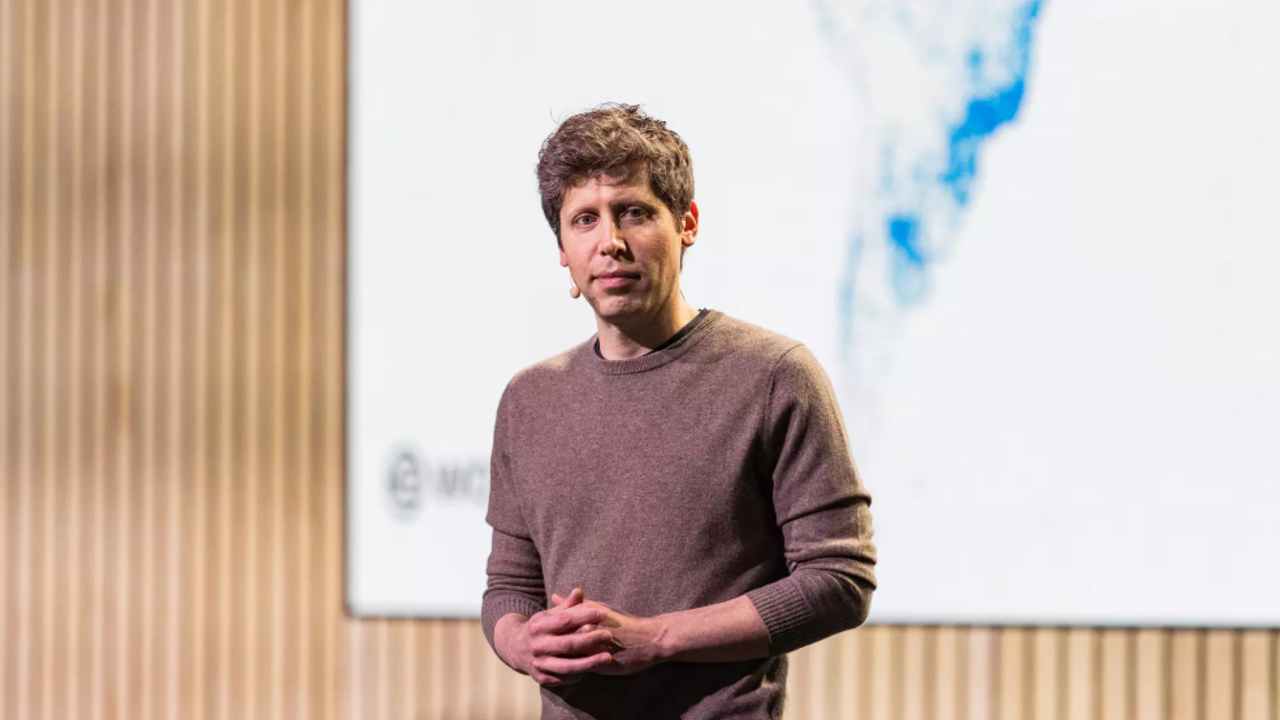
OpenAI chief executive Sam Altman took the stage at a recent industry forum and delivered a blunt message: tech companies cannot hide behind broad economic narratives to justify sweeping staff cuts. He argued that leadership must look beyond short‑term profit pressures and consider the long‑term health of the sector, its talent pool, and the broader economy.
Altman's remarks Altman’s comments came after a series of high‑profile layoffs that have reshaped the tech landscape over the past year. He said, "We can’t blame everything on the macro environment. When you cut talent at this scale, you’re also cutting future innovation and the stability of the ecosystem." The OpenAI leader emphasized that while market cycles do affect hiring, the decision to dismiss thousands of employees often reflects deeper strategic choices, not just external forces.
The wave of layoffs Since early 2023, dozens of major technology firms announced reductions ranging from a few hundred to several thousand jobs. Companies that once boasted aggressive growth targets cited slowing consumer spending, tighter capital markets, and geopolitical uncertainty as reasons for the cuts. The layoffs have touched every segment of the industry—cloud providers, software developers, hardware manufacturers, and emerging AI startups alike. In many cases, the reductions were announced with little warning, leaving affected workers scrambling for new opportunities.
Why the criticism matters Altman’s critique resonates for several reasons. First, the talent drain threatens the sector’s capacity to innovate. Highly skilled engineers and researchers are not easily replaceable; a sudden loss of expertise can delay product development and reduce competitive advantage. Second, mass layoffs send a signal to investors and regulators that the industry may be over‑leveraged, potentially prompting tighter financing conditions. Finally, the social impact is significant—large numbers of displaced workers can strain public services and erode confidence in the tech sector’s role as an engine of economic growth.
Global ripple effects The repercussions extend far beyond Silicon Valley. Many tech firms operate on a global scale, with development centers in Europe, Asia, and Latin America. When a parent company trims its workforce, subsidiaries often follow suit, creating a cascade of job losses across borders. Moreover, the layoffs influence related industries such as venture capital, recruitment, and professional training. Venture firms may become more cautious about funding new ventures, while staffing agencies see a dip in demand for high‑skill placements.
Looking ahead Altman urged tech leaders to adopt a more measured approach to workforce planning. He suggested three practical steps: invest in continuous learning programs for existing staff, adopt flexible staffing models that combine permanent employees with contract talent, and maintain transparent communication about business health. By focusing on these areas, companies can reduce the shock of future downturns and preserve the talent needed for long‑term breakthroughs.
The call for responsibility also aligns with growing public and governmental scrutiny of corporate practices. Policymakers in several countries are examining the social costs of rapid hiring followed by abrupt downsizing. Altman’s stance may encourage a dialogue between industry executives and regulators aimed at creating guidelines that balance growth ambitions with workforce stability.
Industry response Reactions to Altman’s speech have been mixed. Some CEOs defended their decisions, pointing to the need for agility in a volatile market. Others expressed support for the idea of a more sustainable hiring strategy, noting that retaining core talent can be a competitive advantage when the market rebounds. Analysts predict that companies that manage to keep a stable, skilled workforce will emerge stronger as demand for advanced technologies—especially artificial intelligence—continues to rise.
The human side of the story Beyond the numbers, the human impact of layoffs remains stark. Former employees often face months of uncertainty, while those who stay may experience increased workloads and morale challenges. Altman highlighted that the tech community should not overlook the personal toll of these decisions. He called for mentorship programs and alumni networks that can help displaced workers transition to new roles, emphasizing that the industry’s success is tied to the well‑being of its people.
In summary, Sam Altman’s warning serves as a reminder that the tech sector’s health depends on more than quarterly earnings reports. By acknowledging the limits of blaming the broader economy and focusing on responsible talent management, industry leaders can help safeguard innovation, maintain global competitiveness, and reduce the social costs of future downturns. The conversation sparked by his remarks may well shape how technology companies approach growth and workforce stability in the years to come.