Now, domestic violence legal in Taliban
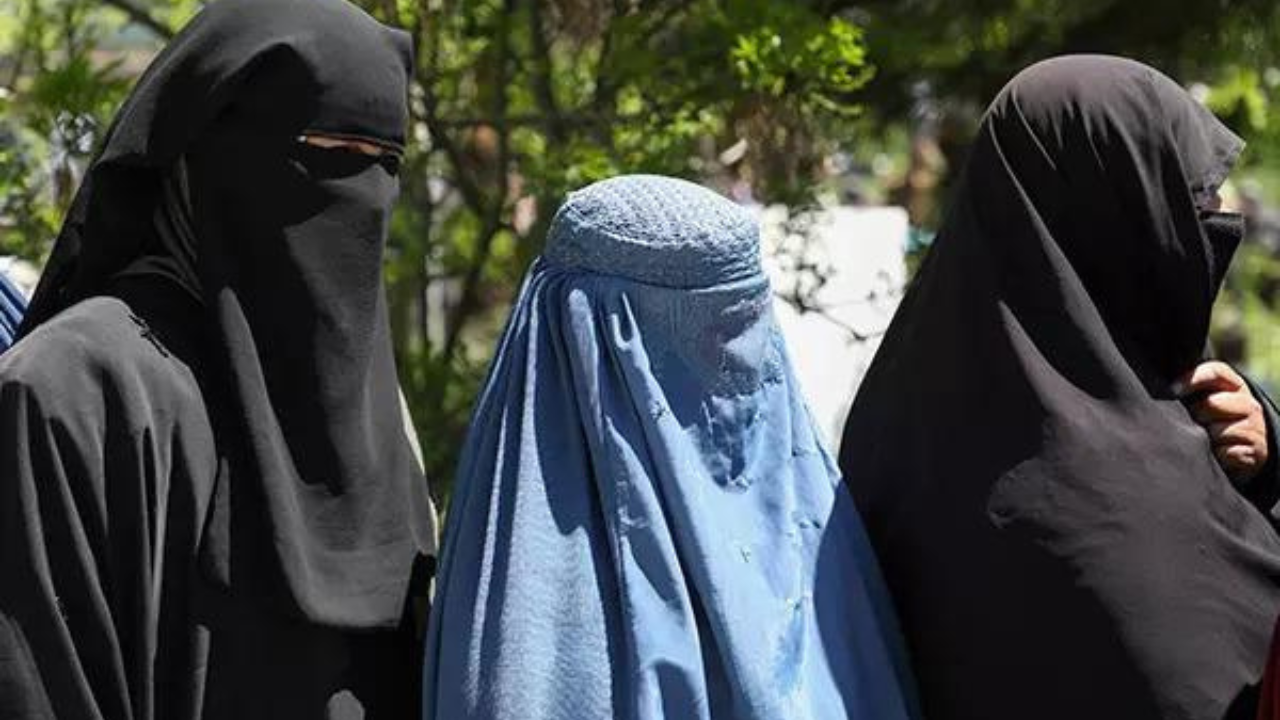
The Taliban has issued a decree that effectively legalizes domestic violence, a move that has drawn swift condemnation from human‑rights groups and raised alarm across the international community.
Since seizing control of Afghanistan in 2021, the Taliban has imposed a strict interpretation of Islamic law. Early promises of a more moderate approach gave way to a series of restrictions on women’s education, employment, and public life. While the group has previously denied that it condones abuse within families, its legal framework has long left women vulnerable to private violence.
In a recent announcement, the Taliban’s Ministry of Justice released a circular that removes criminal penalties for spouses who physically harm their partners. The text states that “family matters are private and should be resolved within the household,” and it instructs local courts to treat such incidents as civil disputes rather than criminal offenses. The decree does not define a threshold for what constitutes a punishable act, effectively granting men legal immunity for a wide range of abusive behavior.
Human‑rights observers say the language mirrors earlier Taliban rulings that prioritized tribal customs over formal legal protections. The circular also instructs police to refrain from intervening unless a complaint is filed by the victim, a requirement that many women cannot meet due to social pressure and fear of retaliation.
International Reaction
The United Nations quickly issued a statement calling the decision a “serious violation of international human‑rights standards.” The UN Women office warned that the policy could reverse years of progress made by Afghan women in education and public participation. Several Western governments announced plans to review humanitarian aid to Afghanistan, emphasizing that future assistance will be tied to respect for women’s rights.
Non‑governmental organizations such as Amnesty International and Human Rights Watch have launched campaigns to pressure the Taliban to rescind the decree. Their reports highlight that legalizing domestic violence not only endangers women but also undermines efforts to combat broader gender‑based violence in the region.
Implications for Afghan Women
For many Afghan women, the decree creates a legal environment where abuse can go unchecked. Victims often lack access to safe shelters, legal counsel, or medical care. The new policy also discourages women from seeking help, as reporting abuse could lead to social ostracism or even retaliation from family members.
Experts note that the decree may increase the prevalence of mental‑health issues, including depression and anxiety, among women and children who witness or experience violence at home. Schools that have remained open for girls could see lower attendance as families prioritize safety over education.
The decree also threatens the work of local women’s advocacy groups that have operated under fragile security conditions. Many of these groups rely on community trust to provide counseling and legal assistance. With the law now siding with perpetrators, activists risk losing the ability to intervene on behalf of victims.
Potential Future Developments
The Taliban’s decision could influence other extremist or conservative regimes that view family matters as beyond state interference. If the policy remains unchallenged, it may set a precedent for further erosion of women’s rights in neighboring regions.
Conversely, sustained international pressure could force the Taliban to revisit the decree. Some analysts suggest that targeted sanctions on Taliban officials responsible for the policy, combined with conditional aid, might create leverage. Diplomatic channels, including talks with regional powers, could also be used to advocate for the protection of women’s rights.
In the short term, NGOs are focusing on discreet support networks, such as safe houses hidden within existing community structures. They are also training local volunteers to document abuse cases, hoping to build a body of evidence that could be used in future legal reforms.
What It Means for the World
The decree highlights the challenges of engaging with regimes that do not adhere to universal human‑rights norms. It raises questions about how the international community can balance humanitarian assistance with the need to uphold basic protections for vulnerable populations.
For policymakers, the situation underscores the importance of linking aid to measurable outcomes in gender equality. For journalists and researchers, it offers a stark reminder of the ongoing struggle for women’s rights in conflict‑affected societies.
The legalisation of domestic violence in Afghanistan is more than a domestic policy shift; it is a signal to the global community that the fight for gender justice remains far from over. Monitoring the Taliban’s actions, supporting Afghan women on the ground, and maintaining pressure through diplomatic and economic tools will be essential steps in preventing further erosion of women’s rights.
The Taliban’s recent decree marks a troubling regression for Afghan women and a challenge for the international community. While the policy may be entrenched in the current power structure, sustained advocacy, strategic aid, and global attention could create pathways for change. The world must watch closely and respond decisively to ensure that the basic right to live free from violence is upheld for all Afghans.