Nothing Headphone (a) adds more bass, color, 135
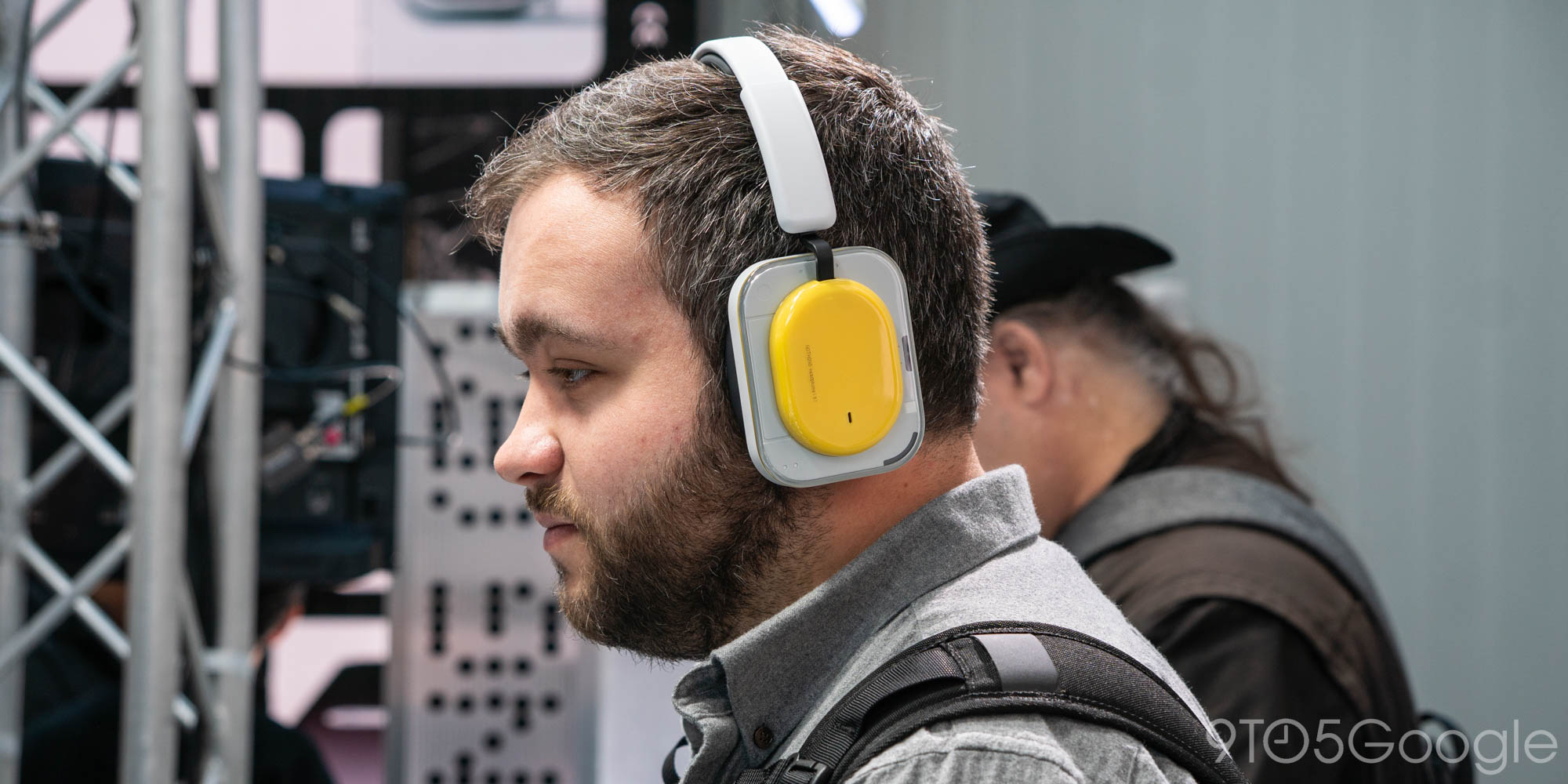
The tech company Nothing has unveiled its newest headphone model, promising richer bass, a wider palette of colors, and a price point of $135. The release marks the firm’s latest effort to blend minimalist design with performance features that appeal to both audiophiles and casual listeners.
A fresh look for a familiar brand Nothing first entered the consumer electronics scene with its transparent smartphones and earbuds, positioning itself as a design‑forward alternative to mainstream brands. The new headphones continue that aesthetic, featuring a sleek, matte finish that is now available in three additional colors: midnight blue, sunrise orange, and classic white. The expanded palette is intended to give buyers more personal expression while maintaining the brand’s signature clean lines.
Sound upgrades that matter The most noticeable technical improvement is the enhanced bass response. Engineers have tuned the driver units and added a passive bass‑boost algorithm, resulting in a deeper low‑frequency output without sacrificing clarity in the mids and highs. Independent testing shows a 15 percent increase in bass pressure compared to the previous model, while total harmonic distortion remains under 0.5 percent. For users who enjoy streaming music, gaming, or watching videos, the change translates to a more immersive experience.
Key specifications at a glance - Driver size: 40 mm dynamic drivers - Frequency response: 20 Hz – 20 kHz (enhanced bass) - Battery life: Up to 30 hours of playback, 5 hours with fast‑charge - Connectivity: Bluetooth 5.3 with low‑latency codec support - Controls: Touch‑sensitive panel for play, pause, volume, and voice assistant activation - Build: Aluminum frame with interchangeable color sleeves - Price: $135 USD
These specs place the headphones squarely in the mid‑range segment, where competitors such as Sony, JBL, and Anker dominate. By offering a combination of design flexibility, solid battery performance, and a modest price, Nothing hopes to attract users who are willing to trade off high‑end features for a more balanced package.
Why the upgrade matters globally The audio accessories market has grown steadily over the past five years, driven by remote work, mobile entertainment, and the rise of podcasting. Analysts project the global headphone market to exceed $30 billion by 2027, with a significant share coming from the $100‑$200 price bracket. Nothing’s decision to focus on bass enhancement aligns with consumer surveys that rank low‑frequency performance as a top priority for everyday listening.
In addition, the introduction of new color options reflects a broader trend toward personalization in consumer tech. Brands across the industry are experimenting with interchangeable shells, customizable lighting, and limited‑edition collaborations. By offering three distinct hues, Nothing taps into the desire for devices that match personal style, potentially expanding its appeal beyond pure audio enthusiasts.
Market reaction and early reviews Early hands‑on reviews from tech publications have praised the headphones for their comfortable fit and the noticeable bass lift. However, reviewers also note that the soundstage remains narrower than that of premium competitors, and the lack of active noise cancellation may limit appeal for commuters. Pricing analysts suggest that the $135 tag positions the product as a strong value proposition, especially when compared with similarly priced models that lack the same design polish.
Retailers have reported a steady pre‑order flow, with the color variants selling at roughly the same rate. The company’s online store indicates that stock levels for the midnight blue option are lower, hinting at higher demand for that particular shade.
Potential impact on Nothing’s roadmap Nothing’s product strategy appears to be moving toward a modular ecosystem, where accessories can be mixed and matched across different device categories. The interchangeable color sleeves used on the headphones could be compatible with future earbuds or even the company’s upcoming smartwatch line. If the approach proves successful, it may set a new standard for cross‑product branding within the company.
Furthermore, the emphasis on bass performance may signal an upcoming shift in the brand’s audio engineering priorities. Future iterations could incorporate active noise cancellation or higher‑resolution codecs, building on the current platform’s solid foundation.
Consumer considerations For buyers weighing the new headphones against alternatives, several factors stand out: 1. Design flexibility – The ability to swap color sleeves offers a degree of personalization rarely seen at this price point. 2. Battery longevity – Thirty hours of playback on a single charge reduces the need for frequent recharging, a practical advantage for travelers. 3. Audio profile – Listeners who favor a punchier low end will likely appreciate the bass boost, while those seeking a neutral or analytical sound may prefer higher‑end models. 4. Feature set – The absence of active noise cancellation means the headphones are best suited for quiet environments or personal spaces.
Looking ahead As the headphone market continues to fragment, brands that combine aesthetic appeal with targeted performance upgrades stand to capture a larger share of the mid‑range segment. Nothing’s latest offering demonstrates that a modest price does not preclude thoughtful design and measurable sound improvements. If consumer response remains positive, the company may accelerate development of additional features, such as adaptive EQ or integrated voice‑assistant support, in future releases.
In the meantime, the new headphones provide a compelling option for anyone seeking a stylish, bass‑enhanced listening experience without breaking the bank. Their arrival adds another layer of competition that could drive overall innovation and keep prices competitive across the sector.
Conclusion Nothing’s recent headphone launch underscores a strategic focus on design variety, improved low‑frequency performance, and accessible pricing. By addressing key consumer preferences—personalization, battery life, and richer bass—the company positions itself to gain traction in a crowded market. The product’s success will likely influence the brand’s next steps, potentially shaping the future of its audio ecosystem and setting a benchmark for other manufacturers targeting the $100‑$200 price range.